
Cooking in LA? Attending Culinary School Here Has 6 Unique Advantages

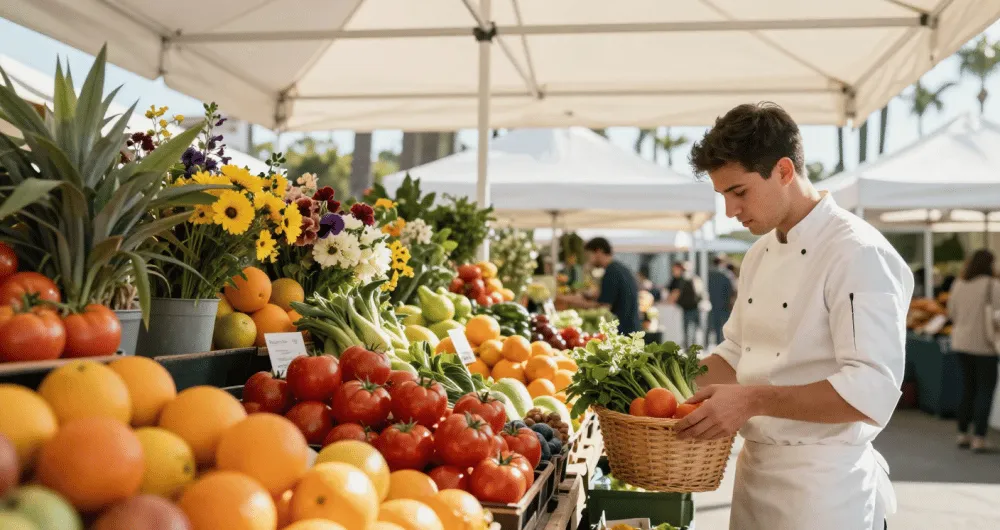
In LA, food cultures run deep, farm-to-table is real and fresh thinking is a way of life.
For this – and many other reasons – attending culinary school in LA provides unique learning opportunities.
Global flavors, peak-season produce, wellness-driven menus and a dining culture shaped by creativity and communal traditions are key aspects of the city’s thriving culinary scene.
So, too, are connections. Here, industry-leading chefs, restaurateurs and food entrepreneurs abound. This makes the pre-graduation externship that all Institute of Culinary Education students complete not just a hands-on test of skills, but a resume-building prospect capable of producing a valuable career network.
From Michelin-starred restaurants to Oaxacan taco trucks and Filipino pop-ups, Los Angeles exposes aspiring culinarians to the breadth of modern American dining in ways few cities can. That exposure can influence not only what students cook, but how they think about hospitality, ingredients and career possibilities.
Here are 6 lessons that can happen outside LA's culinary school classroom.
#1 Fertile Soil Yields Incredible Ingredient Variety
Southern California's agricultural access changes the way many students think about food.
Produce arrives fresher. Seasonality is easier to understand. Ingredients that are inaccessible elsewhere become part of daily cooking.
As examples, culinary students might regularly encounter multiple chile varieties, Korean pantry staples and rare Persian herbs. This doesn’t happen everywhere – and that exposure helps to build confidence.
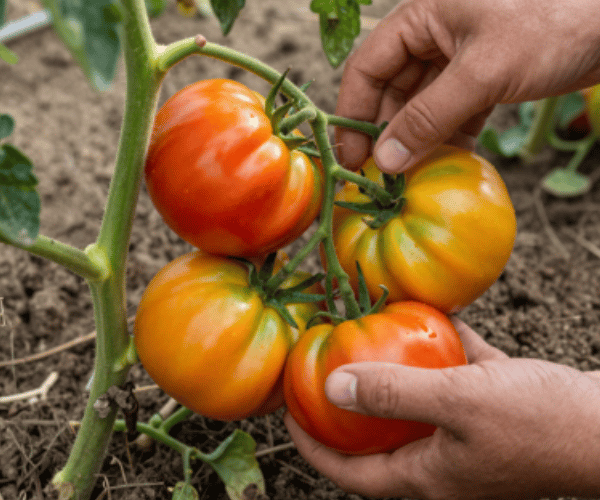
Students can learn how ingredients behave across cuisines instead of viewing them from afar. As more and more diners expect chefs to understand global flavors and ingredient sourcing, that knowledge becomes increasingly valuable.
Alum and Chef de Cuisine Patrick Claytor put it this way: “The diversity of the Los Angeles culinary scene anchored my decision to attend the Institute of Culinary Education."
#2 LA Launches Food and Restaurant Trends
Los Angeles has long influenced culinary trends across the country.
Fermentation, farm-to-table, sustainable sourcing, casual-fine dining, plant-forward cuisine, health-focused menus – LA has been an incubator for, and in some cases the birthplace of, all of these.

Additionally, LA restaurants often combine traditional food categories. A chef may blend fine-dining techniques and casual service. A bakery may prioritize sustainability and local grain sourcing. A neighborhood restaurant may build an entire menu around seasonal produce from nearby farms.
That environment encourages flexibility and experimentation. It also affords students both creative inspiration and real-time access to the industry movements shaping how Americans eat.
For many of them, the city itself is a culinary classroom.
#3 More Culinary Careers (and Career Paths) Exist

In smaller markets, culinary work consists primarily of restaurant jobs. Los Angeles, however, offers a wide range of hospitality and culinary career paths.
Beyond restaurants, the LA scene includes catering companies, hotel groups, food media, test kitchens, wellness brands, private chef businesses, culinary R&D, institutional cooking and so much more.
Why is that important?
Because today’s food careers aren’t limited to the professional kitchen line – though that is, of course, a popular and viable path – and to know what’s possible, it helps to experience what’s possible. In LA, students have visibility across an array of careers, many of which didn’t exist a decade ago.
#4 Food Cultures Intersect – and Produce New Flavors and Genres
Many LA restaurants are inspired by more than one culinary tradition. The result of these food “melting pots” is a staggering variety of creative and deeply personal menus, all of which challenge students to find their culinary voice and forge their own unique identity (versus merely replicating what already exists).
Finding your culinary voice is critical in culinary training. Professional cooking isn’t just mastering technique. It’s also about understanding flavor and using it as a vehicle for your point of view.
#5 Growth Continues Beyond the Classroom
In Los Angeles, culinary students are surrounded not just by restaurants, but by influential fashion designers, global media companies, billionaire tech entrepreneurs, and of course, the entertainment industry. Training in this highly innovative environment informs and inspires students in ways that can’t be found working solely within one’s lane.
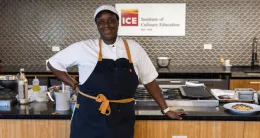
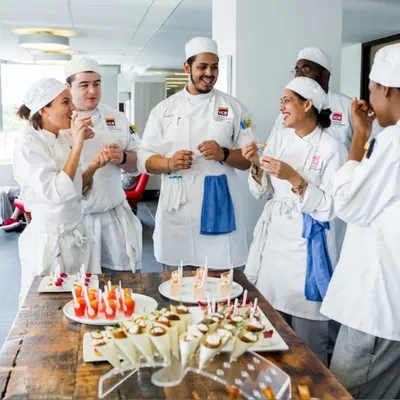
At the Institute of Culinary Education’s LA campus, students benefit from externships, industry events and award-winning chef demonstrations, but they also benefit from living and working alongside artistic go-getters chasing down their dreams.
That environment and mindset are priceless.
Why Location Matters in Culinary Education
Technique can be taught anywhere. Proximity and access to greatness are specific to place.
As the late food critic Jonathan Gold observed, Los Angeles food culture is shaped by a “mosaic of cultures” and proximity to California agriculture. These two forces combine to inform how LA chefs cook – and what LA culinary students can learn.
Because only in LA can you visit the Broad, walk on the beach, hike to the Hollywood sign and shop on Melrose – and only in LA can you attend culinary school at the same time.