
The Future of Flavor: Why Fermentation Is More Than a Trend

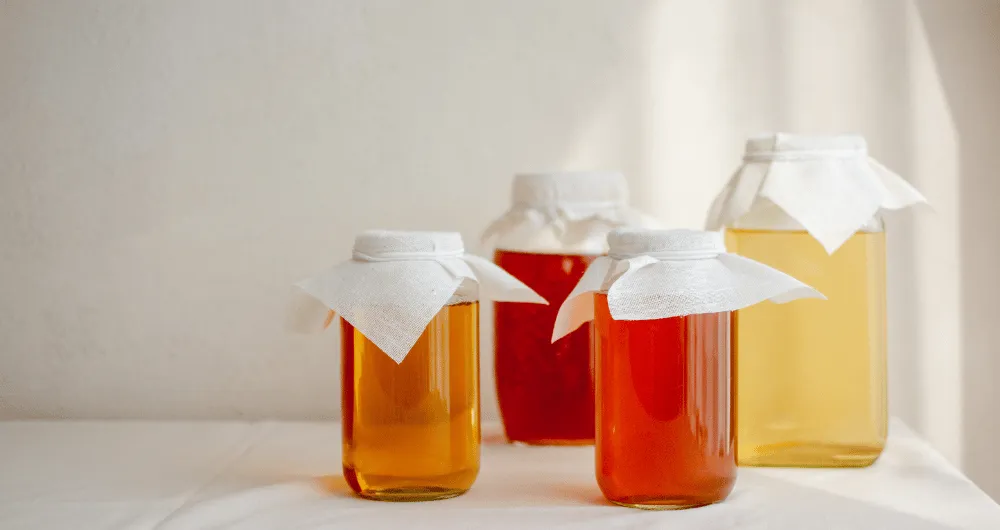
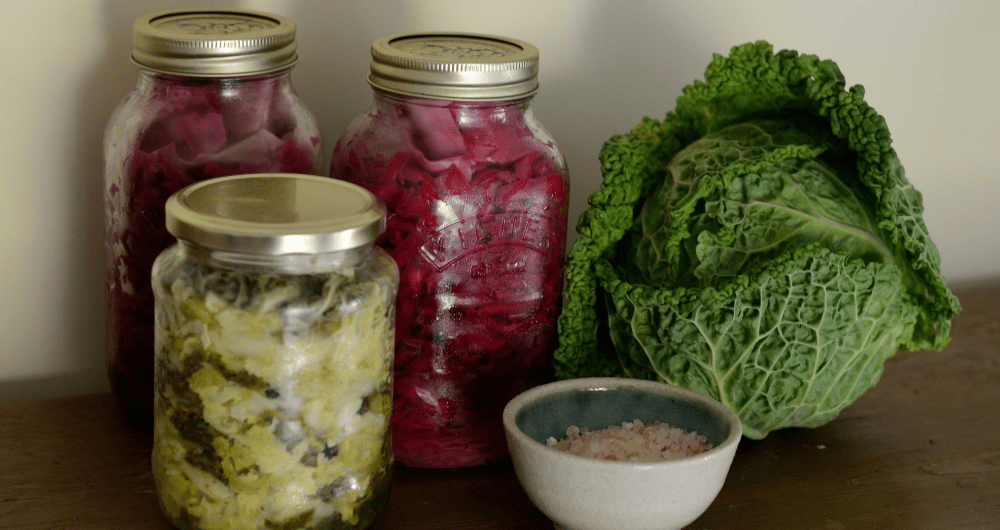
Ten years ago, few non-culinarians knew what fermentation was. Today, it’s everywhere: on menus, in product lines and across social media.
Still, its use remained surface-level in many restaurant kitchens, a technique applied for novelty more than purpose.
In recent years, that’s started to change. As chefs deepen their understanding of how flavor works — from aroma to ingredient behavior — fermentation is becoming less of a trend and more of a tool.
Noma, a regular on the World’s 50 Best Restaurants list, is often credited with bringing fermentation to the forefront. Instead of treating it as an add-on, the restaurant weaves fermentation directly into the broader process of building flavor.
Fermentation Creates Flavor — It Doesn’t Just Transform It
Most cooking techniques modify existing flavor. Roasting concentrates sweetness. Searing builds depth. Acid sharpens perception. Fermentation does something fundamentally different.
As food scientist Arielle Johnson explains, “Most cooking techniques don’t create new flavors, they transform what’s already there. With fermentation, microbes produce entirely new compounds.”
That distinction expands what’s possible in the kitchen. Instead of working within a fixed set of ingredients, chefs can generate new flavors through controlled microbial activity.
At Noma, this approach is foundational, with a dedicated fermentation lab used to develop ingredients, not just preserve them.
Why Fermentation Matters Now
The renewed focus on fermentation reflects broader shifts in the restaurant industry. Among these are:
- Maximizing Flavor With Fewer Resources — Rising costs and tighter margins are forcing kitchens to do more with less. Fermentation allows chefs to extract deeper flavor from local ingredients while extending their usability.
- Driving Sustainability — Fermentation reduces waste by repurposing trim, surplus and underused ingredients and turning them into something new.
- Standing Out in Competitive Markets — In cities where diners expect originality, fermentation offers a means of creating flavors that are difficult to replicate.
As Johnson notes, the technique is powerful not just creatively, but practically — “allowing chefs to get more flavor from local ingredients.”
Where Fermentation Breaks Down
Despite its potential, fermentation is frequently misapplied and used to signal innovation rather than to improve a dish. The result is something technically interesting but unbalanced.
Johnson is direct: “It’s not enough for something to be interesting — it has to taste good.”
Without control and understanding, fermentation introduces risk, inconsistency, off flavors and lack of clarity. At the professional level, technique without intention doesn’t hold up.
From Fine Dining to Real-World Impact
More than just a culinary trend, fermentation reflects a broader shift in how chefs define success. Former Noma head chef Dan Giusti reached the highest levels of fine dining before shifting his focus to reaching people outside of restaurant settings. As he explains, the goal became scale and impact: how many people can you positively affect through food?
The rise of fermentation signals a larger evolution in cooking. Rather than relying on luxury ingredients or excess, chefs are focusing on:
- precision
- ingredient knowledge
- technique-driven flavor.
As Johnson notes, “Chefs are learning to do more with less — using techniques like fermentation and deeper ingredient knowledge to maximize flavor efficiently.”
This approach rewards understanding over imitation and favors chefs who can adapt, not just execute.
The Takeaway
Fermentation isn’t a shortcut to creativity. It’s a tool that requires control, intention and a clear understanding of how flavor works. Used well, it expands what chefs can do. Used poorly, it exposes gaps in technique.
For chefs entering the industry, the takeaway is simple: learn the science behind flavor, not just the trends shaping it. This is where experimentation becomes skill — and skill yields lasting change.