
How To Take Amazing Food Photos: 4 Practical Tips That Yield Maximum Results

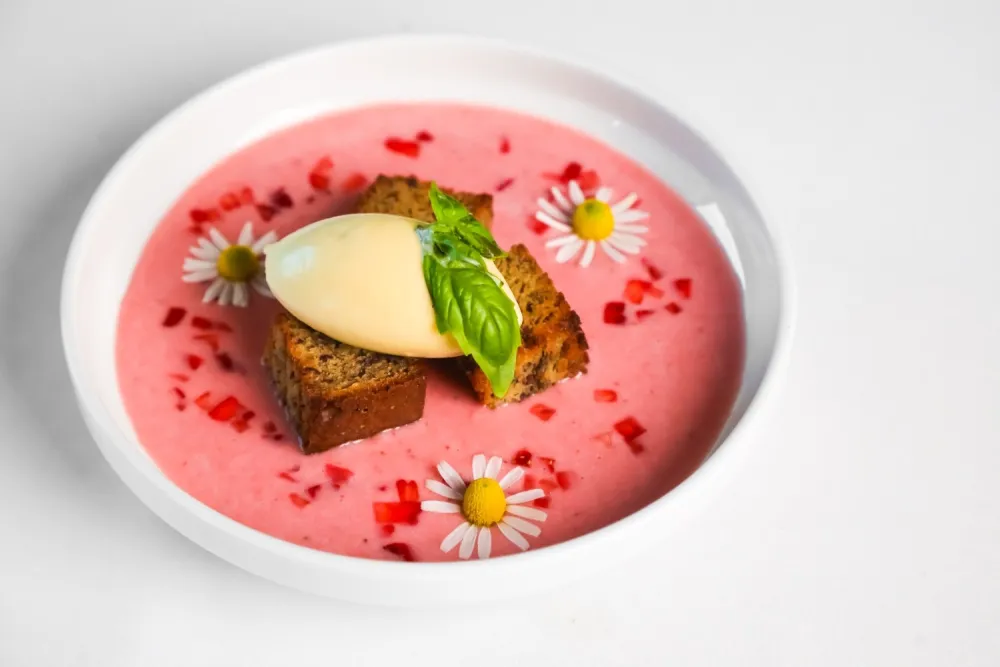
A great image can cause people to stop endlessly scrolling — and even convince them to try a new restaurant. Are your food photos making this happen?
Strong food photography isn’t important solely for restaurant owners and professional photographers. There are numerous culinary and hospitality careers that require an eye for images.
“Food photography is all about storytelling,” says Anthony Leo, Assistant Director of Social Media at ICE. “You’re telling someone what it feels like to eat a dish. The warmth. The texture. The vibe. All of that happens before they ever take a bite.”
That’s why we’re authoring a four-part food photography guide designed to help you take better photos — and not just those with studio setups. The tips are practical and approachable, regardless of whether you’re shooting with a high-speed, high-resolution camera or an iPhone.
And, if you’re interested in a culinary education, ICE’s campuses in two of the country’s most vibrant food cities will likely provide ample opportunity to practice in the classroom, at home or at a restaurant.
(These tips and proximity to major media like Hearst and Condé Nast in New York City or Tastemade in Los Angeles, are key if you want to become a food writer — just ask distinguished alum Kristen Miglore.)
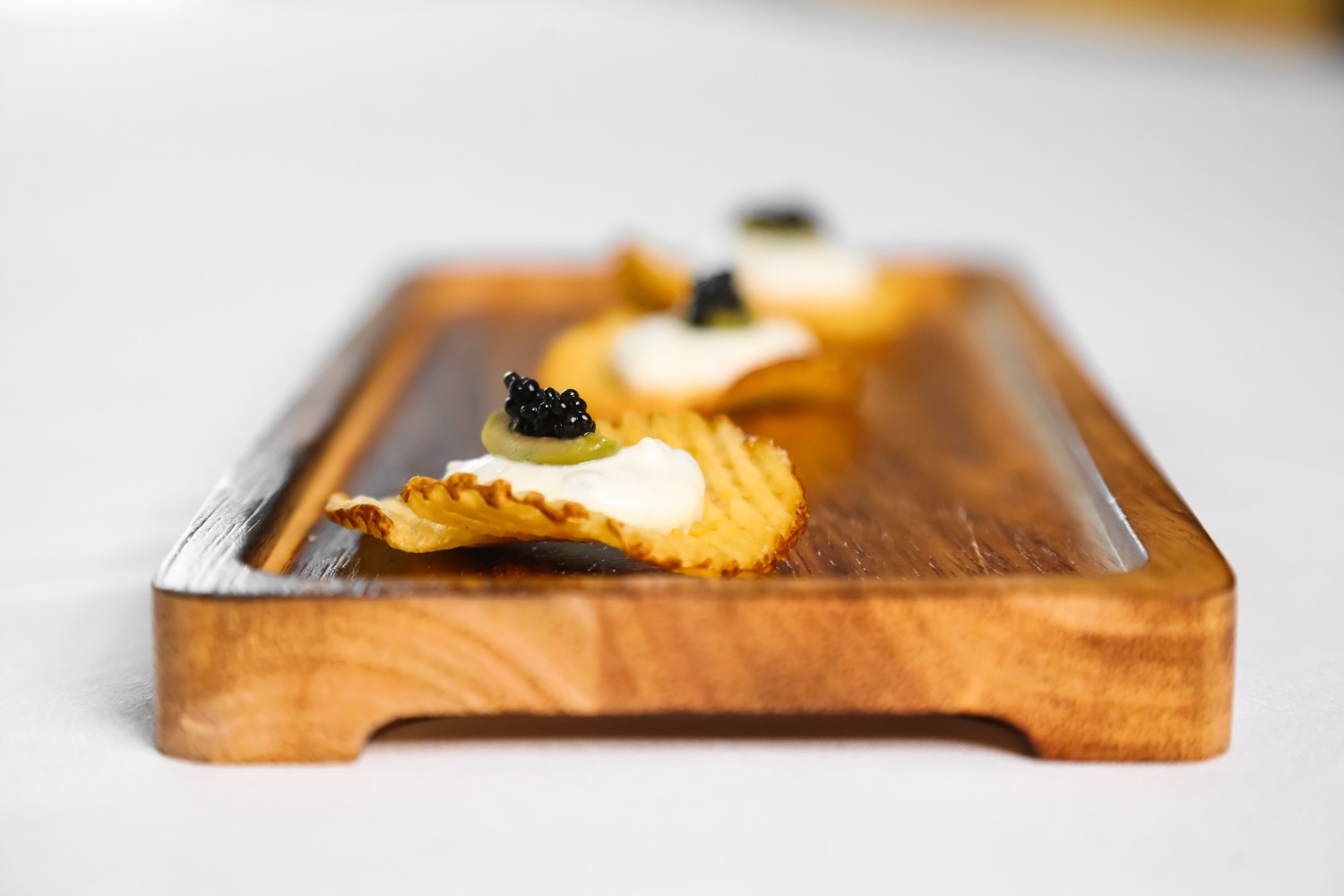
Appetizing Images Boost Culinary Careers
Restaurants aren’t the only businesses that benefit from great photography — though they may be the most obvious. There are many culinary and hospitality professionals, including those with careers outside the kitchen, who use strong imagery to gain clients and build credibility. Among these are:
- Private chefs: During a private cheffing panel event for students at ICE NY, Culinistas Founder Tiana Tenet explained how important photography is for attracting clients. “A prospective client is going to look you up [on social media], and it is a good visualization of a resume,” she said.
- Catering and event companies: Students in ICE’s Restaurant & Culinary Management and Tourism, Travel & Hospitality Management programs study how photography is leveraged through marketing, public relations and advertising — all of which are important when establishing and growing a business.
- Content creators: This catch-all category ranges from food media to recipe developers, cookbook authors, and social media influencers who use compelling food photography to convince consumers to buy a book, cook a recipe or subscribe to a channel. (If these career paths are of interest, check out two esteemed ICE graduates who have made it in these fields: Katie Barreira, Former Test Kitchen Director at Dotdash Meredith Food Studios, and Meredith Hayden, creator of @wishbonekitchen.)
4 Tips to Improve Food Photography
This series breaks down four key aspects of photography that make dishes appear as good as they taste. Curated by Leo, who has 10 years of experience in restaurant and food photography, each tip contains a plain-language explanation, examples and simple, actionable steps you can try.
Here’s what we’ll cover:
- Lighting: How natural and artificial light shape food photography
- Angles & Composition: Setting the scene and using angles to your advantage
- Texture & Movement: Bringing images to life with movement and detail
- Editing: The finishing touches that enhance your shots
Though it may sound contradictory, we’ll also show you when it’s okay to break the rules. Some of the most compelling food photos aren’t technically perfect, and that’s often what makes them so powerful.
Sneak peek: the hands cradling the bowl of gumdrops in the first moments of the reel below are an example of a tip we’ll be covering!
Get Your Creative Juices Flowing
Trying new creative pursuits can be intimidating, but don’t be afraid to make mistakes.
As Berreria advises people interested in food media careers, “Don’t ever get so ingrained in one way of doing things that you can’t imagine another way, because at some point you’ll have to. Failing is part of it… if you’re not failing, you’re not learning.”
Challenge yourself to get out of your comfort zone as you try each tip. Like cooking, creativity is a muscle — and the more you use it, the stronger it becomes.
We can’t wait to see what you create. Share your food photography with us on social media at @iceculinary.