
Think Like a Scientist, Say Chefs, If You Want To Get Flavors Right
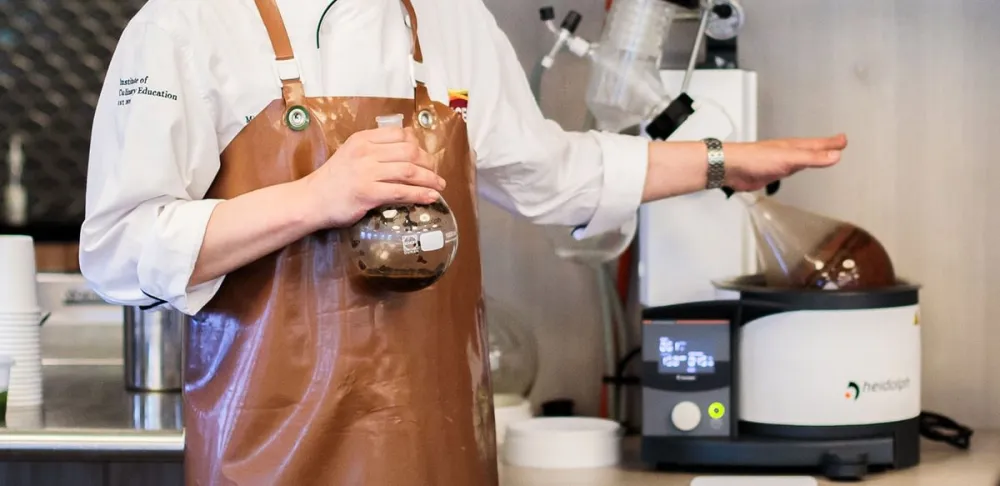
Ask a new cook what makes a dish taste good, and the answer is usually simple: seasoning, balance, freshness. Ask a chef, and the answer is more precise.
Flavor isn’t just taste — it’s aroma, texture, temperature and timing. Without understanding how these elements interact, cooking becomes reactive.
That distinction, between following a recipe and understanding why it works, defines professional training.
Flavor Lives in Aroma, Not Just Taste
Sweet, sour, salty, bitter and umami are descriptions of taste that are often conflated with “flavor.” Unfortunately, they don’t explain most of what we experience when we eat.
🔈 Listen to Dr. Johnson's live stream at the Institute in NYC
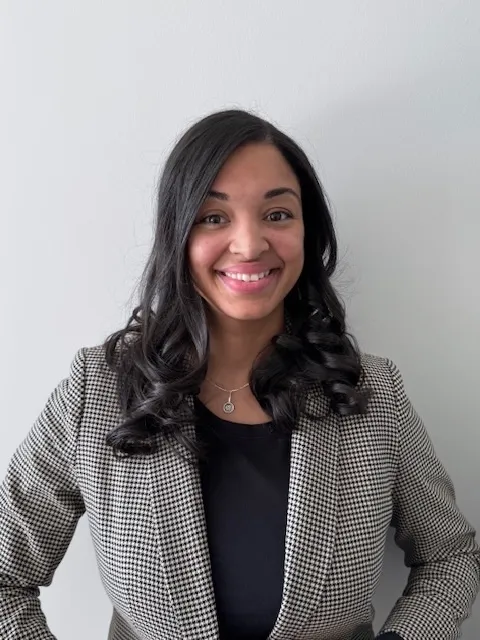
As food scientist Arielle Johnson explains, “Taste is actually very limited… everything that’s more complex — fruitiness, smokiness, caramelization — comes from aroma.”
There are only a handful of taste pathways, but there are millions of aroma compounds. That’s where flavor becomes expressive and where chefs begin to move beyond basic seasoning.
Flavor Is Built Through Technique
In many kitchens, flavor is treated as something you adjust at the end — as in, add salt or add acid.
But strong flavors are built much earlier in the cooking process, and they shape the final dish long before it’s plated. During dish preparation, chefs focus on:
- Ingredient handling
- Ingredient timing
- Heat application
- Aroma development
For professional chefs, understanding aroma is critical. As former Noma head chef Dan Giusti notes, “Every person who came [to Noma] was looking for it to be the best meal they’ve ever had.”
That level of expectation requires every dish to be intensely scrutinized before it’s served.
Understanding the Rules — So You Can Break Them
Cooking instructors often teach foundational techniques as if they are fixed (versus dynamic or malleable). The typical philosophy is “follow the method and trust the process.”
But science changes how chefs apply foundational techniques.

“When you’re learning, you’re often told, ‘This is the correct way,’” Johnson explains. “But understanding the science behind the techniques lets you understand the rules — and then break them.”
That shift moves chefs from execution to intention. Instead of repeating steps, they begin to do things like play with timing and extract surprising qualities from common ingredients. This is when real creativity emerges.
From Replication to Real-World Cooking
One of the biggest transitions in culinary training is moving beyond replication. Following a recipe builds discipline. Understanding why it works builds independence.
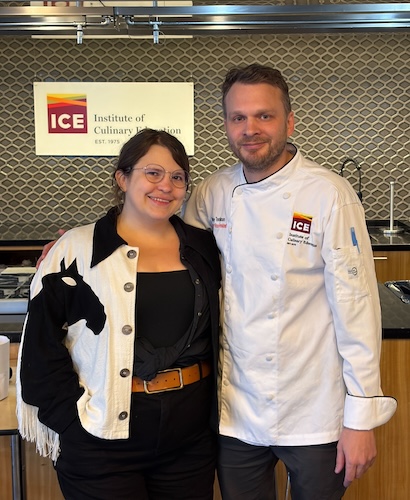
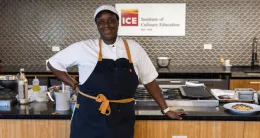
At the Institute of Culinary Education, students do this throughout their coursework, applying techniques while studying their science as a means of moving quickly from copying to creating. In fast-paced markets like NYC and LA, this ability can set professionals apart.
The Takeaway
Flavor isn’t a “fix at the end” thing. It’s the result of decisions made at every stage of the purchasing, preparation and cooking process.
Chefs who know this can build, adapt and create with intention. Chefs who don’t merely react. Learning to think like a chef (and like a scientist) is, ultimately, what turns cooking into a skill you can control.
🍴Turn Your Passion into Your Profession Culinary Arts, Pastry & Baking Arts, Restaurant & Culinary Management and Tourism, Travel & Hospitality Management.