
Only in NYC? Training in a Culinary Capital City Teaches These 6 Unique Lessons

Knife skills can be taught anywhere. But training where food trends start and externing at top-tier restaurants? That’s an “only in the city” situation.

Training in the heart of an influential American food city is one of several reasons why attending the Institute of Culinary Education is exceptional.
In New York City, professional kitchens — and the people who run them — operate on another level, and the insights and inspiration that affords, are hard to replicate in a kitchen classroom.
As Chef Marcus Samuelsson has said, working in New York gives aspiring culinarians access to “an incredible network” of restaurants, chefs and opportunities. In a city shaped by constant movement and competition, proximity and access becomes part of the education itself.
Top Chef Exec Producer Gail Simmons chose to train at the Institute of Culinary Education in part because of its location.
“I wanted to go to school in the heart of New York City,” she says. “New York is the epicenter of the culinary world in America.”
Here are the ways training in NYC offers unique lessons.
#1 In NYC, Speed and Precision are Non-Negotiables
New York kitchens move fast. Lunch rushes stack up quickly, and dinner service can feel relentless.
That pressure provides an important lesson: Speed is the result not just of skill, but of preparation, focus and physical and emotional regulation.
In most professional kitchens, timing plays a vital role. A station that falls behind can affect an entire service, so learning how to move efficiently — without sacrificing quality and without flipping out — is imperative.
“I wanted to learn how to cook and do pastry in the best city in the world,” says pastry chef Alex Terepka, a 2022 graduate of the Institute of Culinary Education’s Hospitality management and Pastry & Baking Arts programs.
He did exactly that. Today, Terepka balances a multi-faceted career in NYC: creating elite desserts as a pastry cook at The Modern, managing kitchen operations as a sous chef at Vinnie's Pizzeria, and working on the corporate side of baking as a Market Operator Specialist for Bridor North America.
New York City’s lightning pace is unique among dining destinations. Guests are more discerning and more demanding, and they expect both service and food to exacting standards.
Culinary students who study and extern in NYC have the opportunity to develop speed and precision much faster than their non-NYC counterparts.
#2 Opportunities for Specialization Abound

In smaller markets, one cook may handle a little of everything. In New York, students are more likely to see the brigade system in action.
Large restaurant kitchens often rely on specialized roles: saucier, garde manger, pastry cook, fish cook and more. Seeing these positions firsthand can help students understand how professional kitchens are structured — and where they fit within them.
That exposure matters.
One culinary student might discover that they love the exactitude of composed desserts. Another might fall in love with sauce work, bread production or high-volume prep systems. In large culinary markets, specialized career paths can be more visible.
Michelle Palazzo credits her culinary education with helping prepare her for the realities of professional kitchens.
“My education at the Institute really prepared me for my Executive Pastry Chef role,” she says.
#3 Quantity and Diversity of Restaurants are Off the Charts
Because New York’s restaurant scene is so dense, students are surrounded by fresh thinking, creative inspiration and innovative operational models. Michelin-starred restaurants, neighborhood institutions, hotels, bakeries and hospitality groups exist within walking distance of one another.
Students pursuing externships through the Institute of Culinary Education may train in environments ranging from fine dining restaurants to large-scale hospitality operations, gaining firsthand exposure to how different types of kitchens function.
Alum and 2026 James Beard Award nominee Rasheeda Purdie has said that her time at the school prepared her for real-life restaurant work: “I learned about food and wine pairings, plus back- and front-of-house skills.”
#4 You Have the Chance to See, Smell and Taste Ingredients from All Over the World
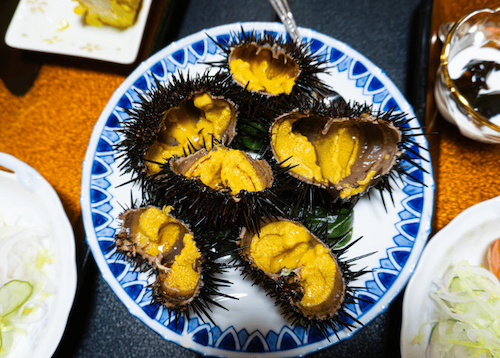
New York’s international food culture is an education in itself. Training in a city shaped by immigration and food culture can give students broader context for how people cook — and eat — today. In a single week, students might eat Uyghur cuisine in Flushing on Monday; Ashkenazi knishes in Williamsburg on Wednesday; Sonoran tacos in Sunset Park on Friday… and then wrap it all up with Sunday dinner in a Michelin-starred spot in Manhattan.
This breadth expands both the palate and the culinary vocabulary. Ingredient knowledge becomes less theoretical, and techniques and flavors that might otherwise require a passport to try, are just a few subway stops away
#5 Your Communication Skills Can Improve Dramatically — Across Multiple Languages

Professional kitchens rely on communication, and in New York, that communication often occurs across different cultures, languages, backgrounds and levels of experience.
Culinary students might train with recent high school graduates, military veterans, mid-life career changers, restaurant workers seeking to expand their skills and more. In the kitchen classroom and during their externship, they might work beside men and women who speak entirely different languages.
These environments teach you how to effectively communicate and adapt – and quickly.
#6 Opportunity Seems to Exist Around Every Corner
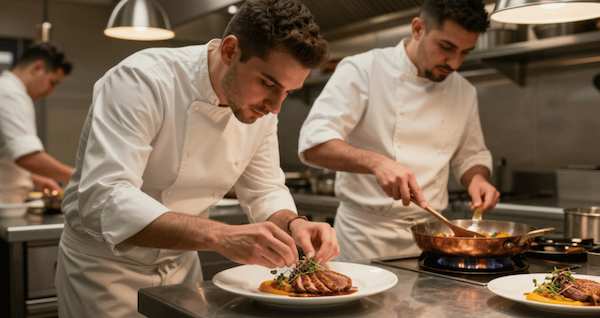
Many of the restaurants, food media companies and hospitality operations that shape the industry in real time are in New York City.
Proximity to them creates opportunities to observe trends, make connections and build a robust network and an impressive resume. For some graduates, those connections become career-changing.
“I came to the Institute in New York because I didn't have the connections to pursue a career in food media,” says alum Jillian Elliott. “I got training and connections there, and that really opened doors for me.”
Those career connections can continue and grow long after graduation. Chef Missy Robbins, whose restaurants have welcomed numerous Institute of Culinary Education externs and graduates, notes the school's strong reputation within the industry.
“We take a lot of externs from the Institute, and we hire a lot of alumni.”
Location! Location! Location!
Technique can be taught anywhere. Exposure is harder to come by.
In New York City, students can develop technical skills while gaining access to one of the world's most influential culinary communities. They can encounter high-volume kitchens, specialized restaurant roles, global food traditions and hospitality professionals shaping the industry every day.
New York doesn't just teach students how to cook — It teaches them how the industry works.