
Do You Need To Know How To Cook Before Attending Culinary School?
Many aspiring culinary students picture the same intimidating scenario: walking into class surrounded by people who already know how to fillet fish, sharpen knives and run a professional kitchen station.
In reality, many culinary students begin with little (or no) professional cooking experience.
Some are home cooks looking to turn their passion into a profession. Others are career changers ready for something new. Some have never stepped inside a professional kitchen before their first class.
That’s because culinary school isn’t designed for finished chefs. It’s designed to teach foundational techniques, build confidence and prepare students for the structure and pace of professional kitchens.
At nationally recognized culinary schools like the Institute of Culinary Education, students are taught via hands-on training, repetition and real-world kitchen experience — whether they’re pursuing work in restaurants, food media, hospitality management or entrepreneurship.
Will I Be the Only Beginner?
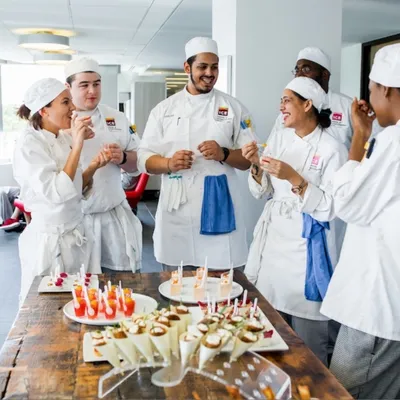
Culinary classrooms often include students from a wide range of backgrounds and experience levels. Some arrive with restaurant experience. Others are self-taught home cooks. Many are complete beginners.
That mix creates a collaborative learning environment wherein students receive instruction alongside classmates with different strengths, perspectives and career goals.
Chef Suzanne Cupps, alum and chef-owner of Lola’s, said she had “never stepped foot in a professional kitchen” before attending culinary school at the Institute.
“I was immediately excited about the opportunity to do something very different than I had ever experienced,” she said.
Culinary school isn’t about arriving as an expert. It’s about building skills in an environment designed for growth.
What If I’ve Never Worked in a Professional Kitchen?
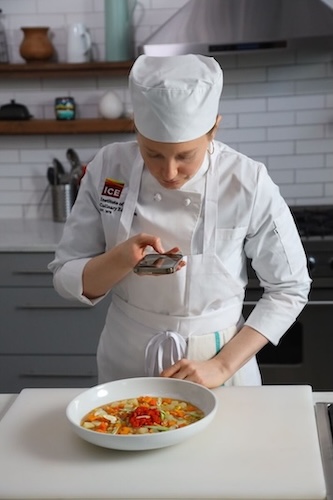
That’s exactly why culinary schools teach fundamentals first.
Before students tackle advanced techniques, they study foundational skills like knife cuts, kitchen safety, sanitation, organization and mise en place. (The latter is the system of preparing and organizing ingredients before service.)
Students are also taught the structure of professional kitchens: communication, timing, station setup and teamwork.
“I learned basic knife skills, kitchen terms and techniques, none of which I had known coming in,” Chef Suzanne said. “It allowed me to have the confidence to interview in a New York City restaurant.”
Hands-on repetition can build speed, confidence and muscle memory over time.
Many culinary programs also include externships, allowing students industry experience and opportunities to build professional connections before graduation.
In major culinary cities like New York and Los Angeles, students may also train near influential restaurants, bakeries and hospitality groups.
Am I Going To Feel Dumb?
Almost every culinary student feels intimidated at some point — especially at the beginning. Professional kitchens have their own language, systems and pace, and understanding them takes time.
Culinary school exists to teach — and, one hopes, expedite — skills in a structured environment where students are expected to ask questions, make mistakes and improve through practice.
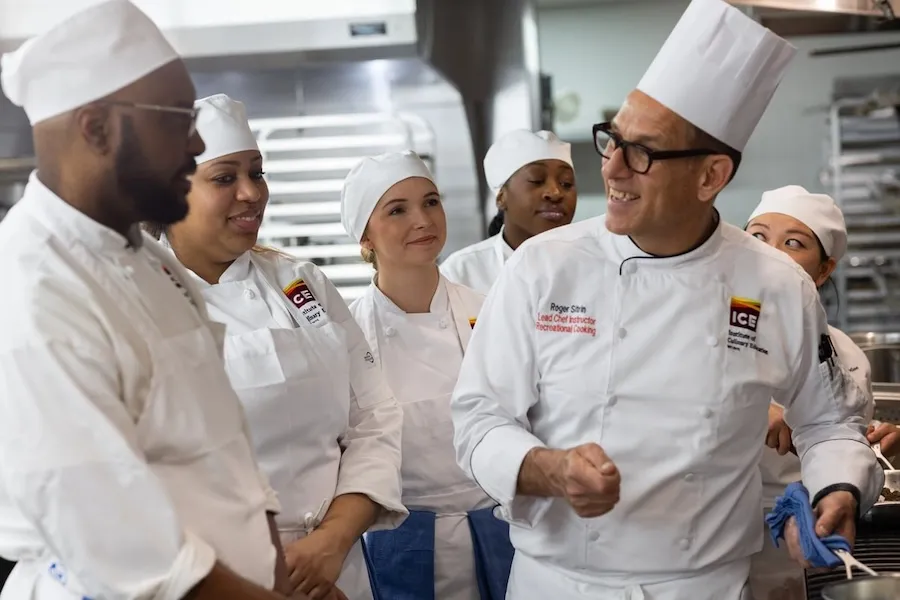
Many Chef-Instructors remember what it felt like to be new themselves, which can create a more supportive environment than students expect.
“Do your best and keep showing up,” says Director Of Nutrition Celine Beitchman. “There is constant learning to be had. Look for the most talented person in the kitchen and model yourself after that.”
Former Chef-Instructor Chris Gesualdi emphasizes a "fresh start" mentality. He notes that “we are all starting at zero, no matter what we have done or where we have worked.”
For some students, the biggest shift isn’t technical — it’s learning to trust themselves in the kitchen.
“I love food and I got to learn more about it there with others like myself,” said alum Chef John Reilly. “I also had amazing classmates that I’m still close with today.”
That sense of community can make a major difference, especially for students entering the industry for the first time.
Do I Need To Bring My Own Equipment?
Programs vary, but the Institute of Culinary Education outfits students with a culinary school kit. This includes:
- Knives
- Books
- Uniforms
- Chef's coat
- Professional tool kit
Students also have access to professional-grade kitchens fitted with equipment for use throughout their training. Working with professional tools can help students transition into commercial kitchens more confidently while building familiarity with the equipment used across the industry.
We’ve designed our kitchens to reflect real-world culinary environments, with the goal of bridging the gap between classroom and restaurant kitchen.
What If I Don’t Want To Become a Restaurant Chef?
Today’s culinary industry extends far beyond restaurant kitchens.
Our graduates have pursued a range of culinary careers. These include recipe development, catering, hospitality management, product development, entrepreneurship, food styling and food writing and TV production.
Kristin Miglore, alum and food writer, said she enrolled at the Institute not because she wanted to become a chef, but because she wanted a strong culinary foundation in order to be a better food writer.
“I just wanted to become a better cook,” she said. “I knew it would inform my writing.”
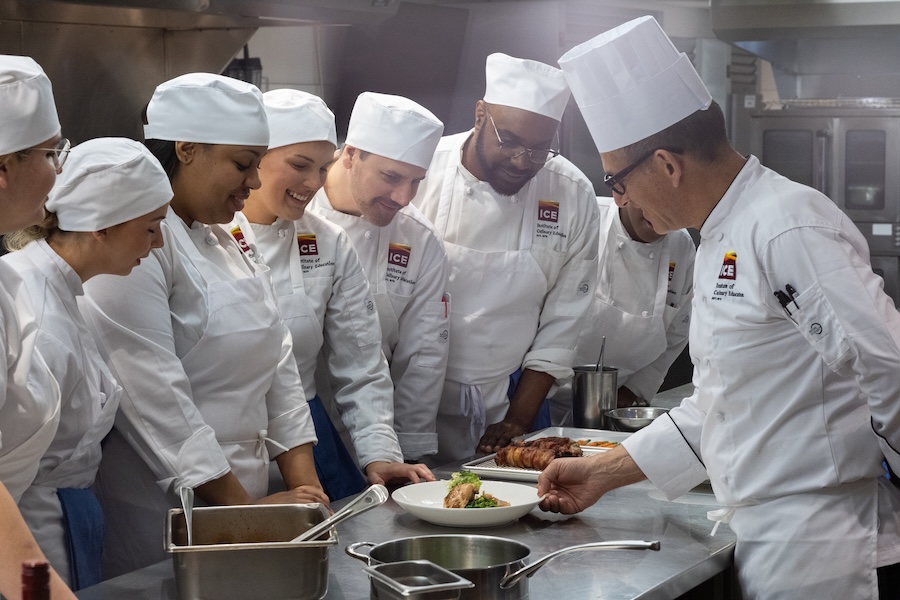
For many students, culinary school becomes less about a specific career path and more about building versatile skills that can apply across the hospitality and culinary worlds.
So, Do You Need To Be a Pro to Go?
No. Curiosity, work ethic and a willingness to learn matter far more than professional experience on day one.
Because everyone starts somewhere, and for many culinary students, the first day of school is exactly where their journey begins.