
Chem Lab to Professional Kitchen? This Culinary School Alum Forged That Path

How does a recipe go from tasting great in a test kitchen to being standardized and shelf-stable?
This question sits at the intersection of food science and culinary arts — a space that Institute of Culinary Education graduate Jon Chandler has spent his career exploring.
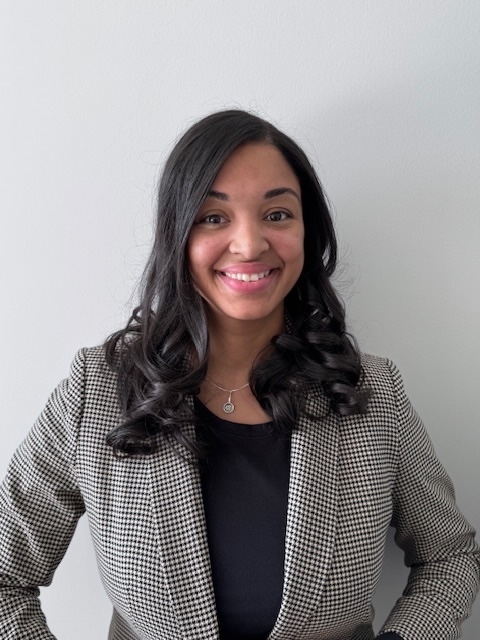
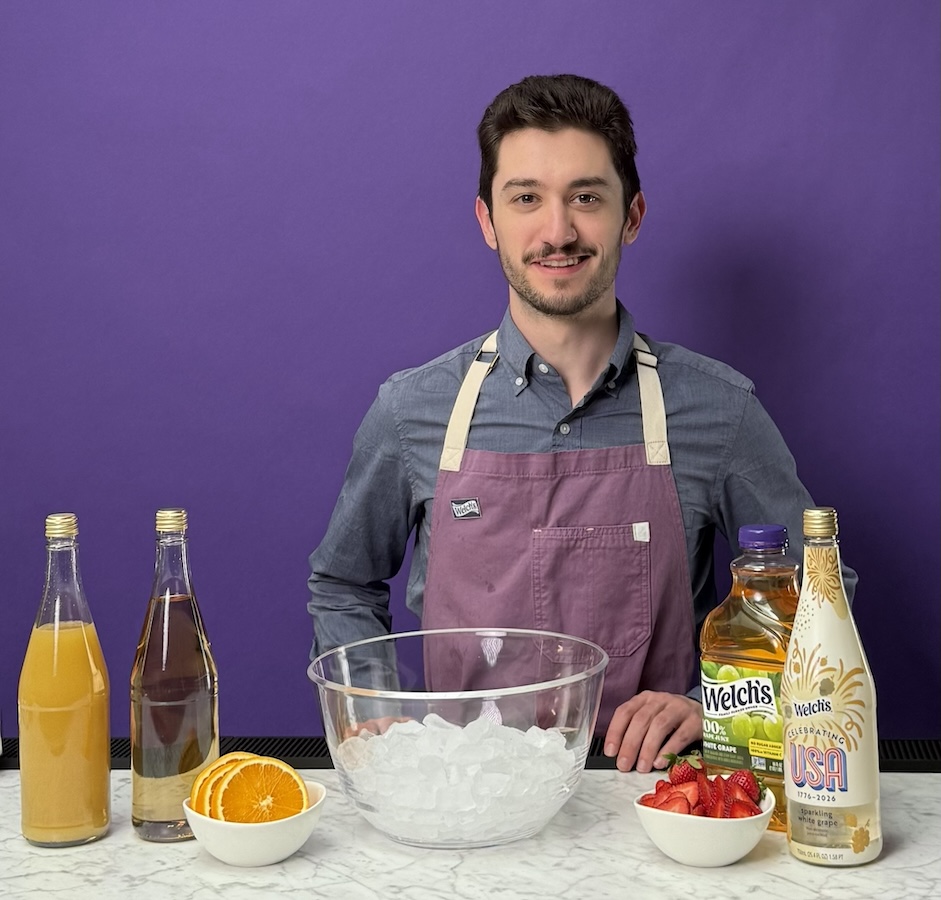
Today, Chandler is a Senior Product Development Scientist at Welch’s, where he helps create and improve food items enjoyed by consumers across the country.
But his path to product innovation didn't begin in a corporate test kitchen. Rather, it started with a curiosity about food, flavor and the science behind what we eat every day.
Discovering a Passion for Food Science
As a child, Chandler was fascinated by uncommon foods.
“I was always interested in international snacks and beverages, particularly the more ‘weird’ flavors,” he says.
He took that curiosity to the University of Florida, where he discovered Food Science while exploring potential career paths.
“I knew I wanted a career where I could make a tangible impact on people's daily lives,” he says.
As both a necessity and a deeply personal experience, food affects everyone. Chandler was drawn to the idea of helping create products people trust to feed themselves and their families.
Learning the Art Behind the Science
Food science taught Chandler how products are made. Still, he wanted to understand why people love them.
“I realized that I needed to understand the art of flavor,” he says. “I wanted to learn how to make the food I engineered and produced genuinely delicious.”
That realization led him to NYC and the Institute of Culinary Education’s Culinary Arts program.
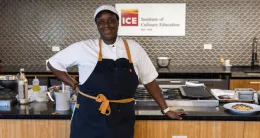
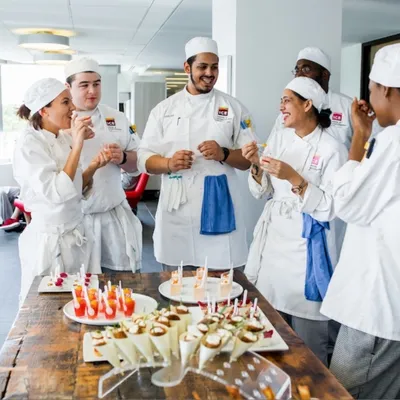
While pursuing a culinary diploma, Chandler developed the technical cooking skills needed to complement his scientific training. He immersed himself in the fast-paced environment of a professional kitchen, and he graduated with Highest Honors, earning a Top Toque Award for professionalism, technique and work ethic.
“I worked incredibly hard throughout the program,” he says. “I showed up as my best self every day and left everything on the table.”
The experience reinforced lessons he continues to use today.
“Communication and hospitality in all aspects of my role are incredibly important,” Chandler says.
Where Culinary Arts and Food Science Meet
For many people, culinary arts and food science seem like separate disciplines. One focuses on creativity, flavor and technique. The other focuses on chemistry, manufacturing and consistency.
In reality, the two are intertwined. As food scientist Dr. Arielle Johnson explained while visiting the Institute’s NYC campus, understanding flavor requires both culinary intuition and scientific thinking.
Chandler's career reflects this intersection, influencing everything from product ideation to storytelling and consumer experience.
“My culinary training dictates my approach to creativity, hospitality and storytelling,” he says. “A hospitality mindset doesn't just apply to a solo diner at a table during dinner rush. It applies to how you treat your cross-functional partners and everyone in between.”
Whether collaborating with marketing teams, supply chain specialists or fellow product developers, he believes hospitality creates better products and stronger organizations.
Bringing Flavor to Product Development
After graduating from the Institute of Culinary Education in 2023, Chandler joined Brooklyn-based East Buekelen Trading Co. as a product developer, helping create ready-to-eat and ready-to-drink products for a variety of clients. He later moved to Chew Innovations where he advanced through several food science and culinary innovation roles before joining Welch’s in 2025.
Today, his work involves everything from reformulating existing products to developing new concepts.
“I lead technical development from early prototypes to finalized concepts,” he says.
That process requires balancing creativity and technical precision. In a restaurant, a chef can adjust a recipe based on what's available that day. In consumer packaged goods – because consumers expect the same experience every time they open a package – consistency is non-negotiable.
“Precision is what preserves the creative vision when a recipe is scaled up,” Chandler says.
Understanding ingredient interactions, processing methods and flavor stability allows him to transform ideas developed on the benchtop into products that can succeed at scale. Here, sensory evaluation and consumer insights are key.
Building the Trifecta
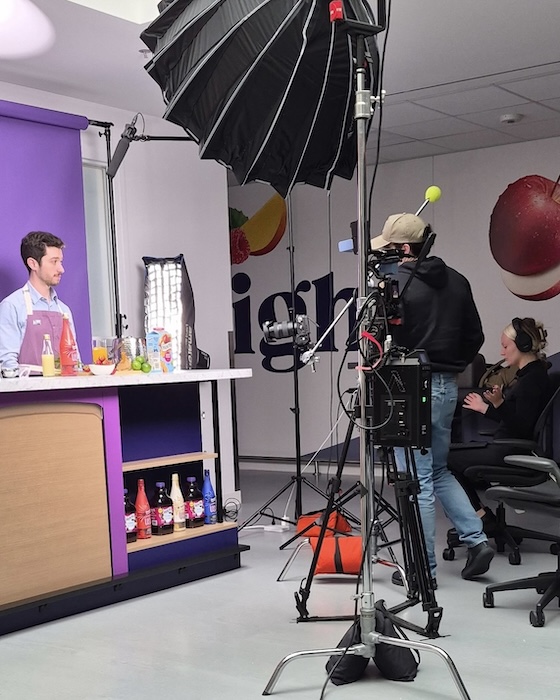
Even after earning degrees in Food Science and Culinary Arts, Chandler continues to invest in learning.
He is currently pursuing an MBA with a concentration in Organizational Leadership through the University of Maine, with the goal of combining his culinary, scientific and business prowess into a powerhouse skill set.
That combination reflects a growing reality across the food industry wherein professionals must be competent in multiple disciplines. Culinary leaders need business acumen. Food scientists benefit from understanding hospitality and storytelling.
For Chandler, each piece strengthens the others.
Advice for Future Food Professionals
When asked what advice he would give someone considering culinary school, Chandler doesn't hesitate.
Jon says culinary school taught him far more than cooking techniques. It helped strengthen his communication, hospitality mindset and ability to collaborate across teams — skills he now applies every day in product development and food science.
“You learn how to work with relentless speed, how to navigate dynamic personalities and how to maintain situational awareness under pressure,” he says.
His career may span food science, product innovation and business leadership, but the foundation remains the same: understanding how great food is created.
And increasingly, that means understanding both the science behind flavor and the culinary artistry that brings it to life.
* Experience varies by student, with outcomes contingent on factors including graduate aptitude, job market, place of residence and work history, among others.
🧪 Blend science and culinary art — get more info and apply today.