
This Culinary School Alum Came To Restaurants Late — Then Built One
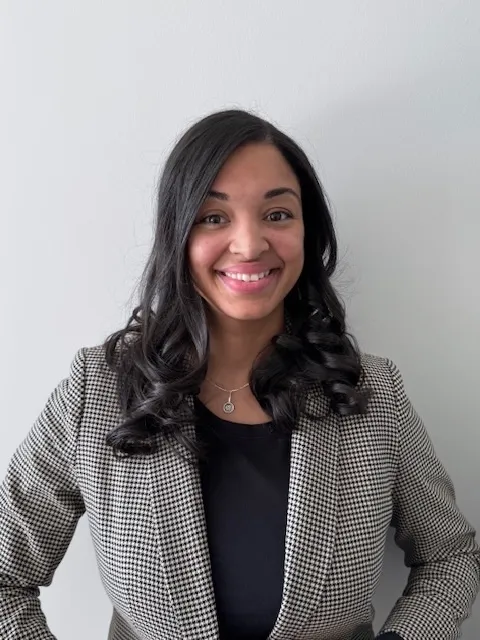
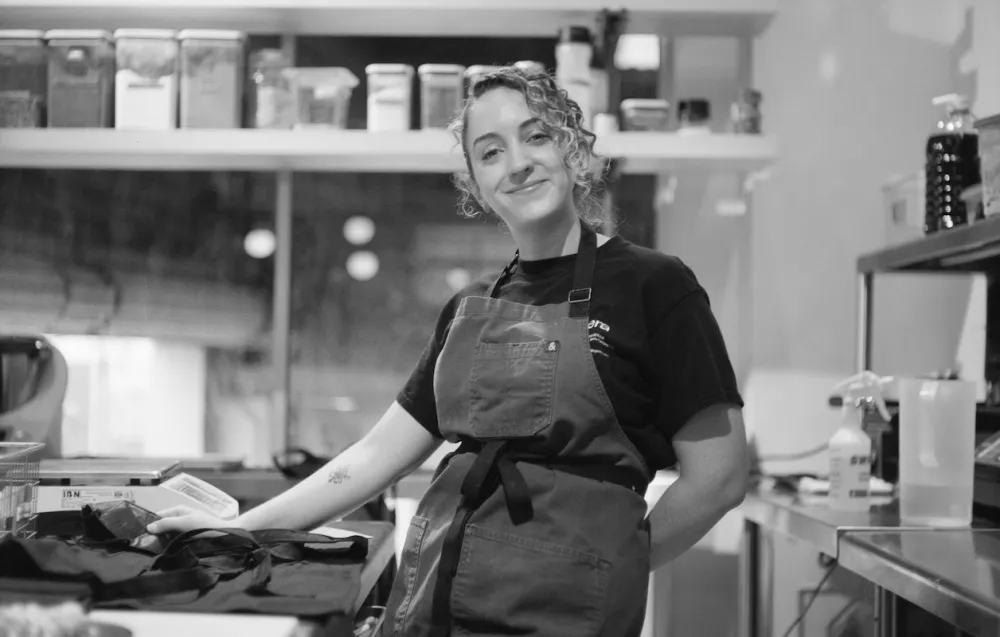
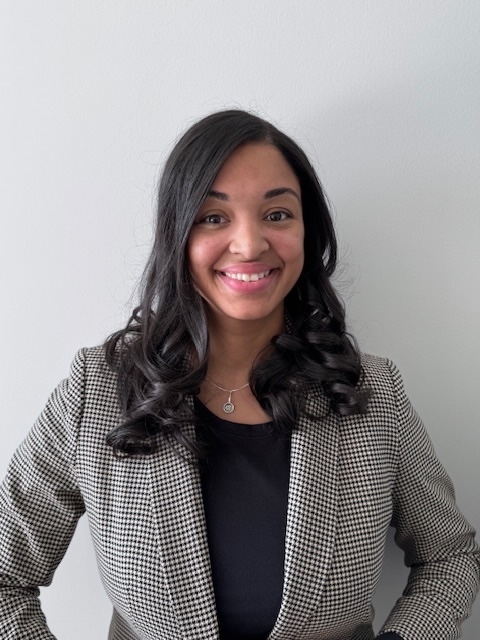
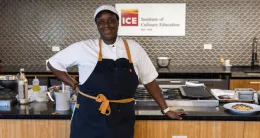
Carolina Buchanan Higuera didn’t set out to work in food. She was a graphic designer — trained, working, settled into a career path that made sense on paper. But something wasn’t clicking. That realization eventually led her to change careers and graduate from the Institute’s LA campus.
As a kid, she had volunteered to bring dessert to school events, and she loved decorating cakes and experimenting with flavors. It was instinctive, which is why it was also easy to return to.
“I realized cooking was my happy place,” she says.
Still, it took time to take that “happy place” seriously. When her shift toward viewing culinary arts as a career came, it wasn’t in a single, defining moment; rather, it was from a niggling question that she couldn’t ignore: What if this could be my everyday life?
That answer to that question led her to the Institute of Culinary Education — and to a career that reshaped how she thinks about creativity, structure and success.
Learning to Think Beyond the Plate
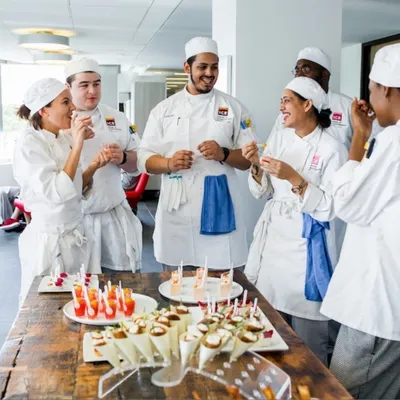
In culinary school, Carolina entered a kitchen built to reflect the real world: fast-paced, structured and unforgiving (in the right ways). Programs moved quickly, mirroring the rhythm of professional kitchens and pushing students to build habits that last.
🍒 More from Chef Carolina: Rosca de Nuez
For her first practical exam, she made a soufflé. It was a memorable moment — as much because of the pressure behind making the dish as for her pride in the dish itself.
“I didn’t realize that managing your space and time would be everything,” she says.
The exam’s takeaway wasn’t technical. It was operational: timing, awareness and flow. Why? Because in a restaurant, nothing happens in isolation. For Carolina, this was a watershed moment.
Three Ingredients, Infinite Range
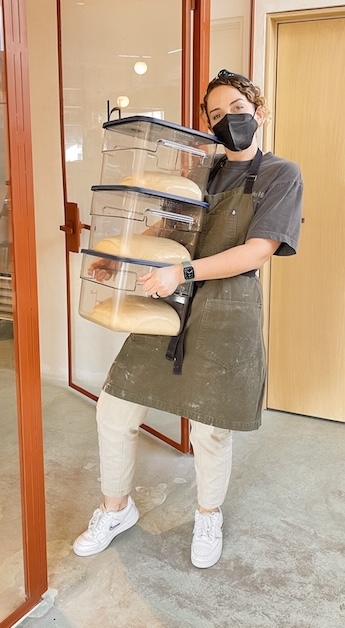
Then came bread. Flour, water and salt — simple, until they’re not.
“I never knew how much I would love to make bread,” Carolina says.
In the Institute’s bread module, she saw how small shifts — hydration, ratios, flour type — could dramatically alter the result. A single formula could yield countless outcomes.
This discovery sharpened her focus. She leaned into technique, repetition and control, building a foundation that continues to shape how she works. It also reframed her understanding of creativity as more than mere decoration. Precision, she realized, was fundamental.
Where School Ends and the Industry Begins
Culinary school gave Carolina structure. Working in the industry gave her strength.
“School is more forgiving than the everyday hustle of a kitchen,” she says.
That contrast forced a shift from learning to execution, from theory to practice.
Mentors helped close that gap. Chef-Instructor Carrie Smith pushed her to stay curious and aim higher. Director of Restaurant & Hospitality Management Mishel Ledoux offered a clear picture of leadership — what it actually takes to run a kitchen and sustain a business.
“A successful business runs on more than just passion. It takes commitment and discipline,” Carolina says.
That mindset carried forward — from student to professional, from line cook to owner.
Building Something That Lasts
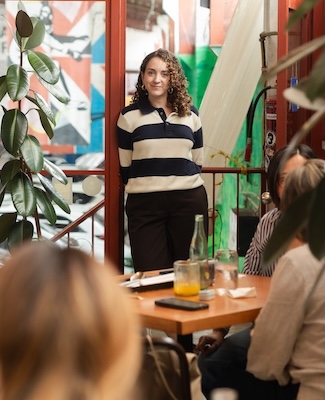
Today, Carolina runs a restaurant with a different focus. Not just food, but systems, people and consistency. Her mornings start with a walkthrough: details, adjustments, conversations with staff. Then she steps back, creating space for her team to work.
“I make sure everyone feels seen and heard,” she says.
This approach has produced exceptional fruit. Former team members have moved into Michelin-starred and Michelin Guide kitchens, reflecting the standards she’s set and the environment she’s built.
Design Didn’t Disappear — It Evolved
Carolina’s graphic design background still informs her work. In her restaurant, skills that used to be applied to branding are now applied to plating. Every dish on the menu telegraphs a clear intention: familiar foods, elevated.
“If you’re eating out, you want that wow factor,” she says.
Carolina draws inspiration from both Nordic and Japanese culinary traditions, cuisines she admires for their restraint, precision and intentionality. That influence shows up throughout her cooking style: clean flavors, thoughtful plating and an emphasis on balance over excess. Nothing feels random. Every element earns its place.
Redefining the Win
Ask Carolina about her biggest achievement, and she won’t point to a single moment. She’ll reference balance.
“My biggest win right now is knowing I can manage my own restaurant while navigating motherhood,” she says.
She’ll also point to her team — past and present — growing into their own careers, and to her ability to build something sustainable (versus merely successful).
Advice for Those Considering Culinary School
To aspiring culinarians, Carolina speaks plainly: “Do everything with excellence and never take a lesson lightly.
Here at the Institute, that mindset is built into both the curriculum and the hands-on experience — through accelerated programs, campuses in major culinary hubs and direct exposure to the industry.
It’s where she found the answer to the question she’d asked herself for as long as she could remember.
Today, thanks to the bold choice to pursue her culinary passion, Carolina’s everyday life is her happy place – and that happy place is in her restaurant’s kitchen.
🧁 Follow your calling to pastry training at the Institute.
* Experience varies by student, with outcomes contingent on factors including graduate aptitude, job market, place of residence and work history, among others.