
April Produce Guide: How To Use Spring Fruit & Veg, According To Pro Chefs

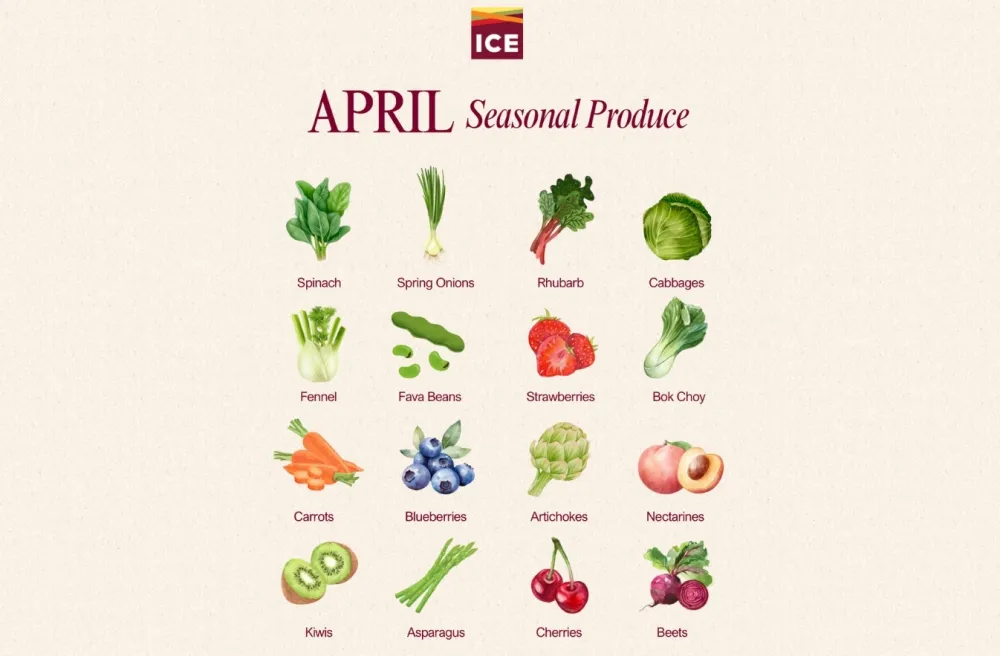
By April, spring produce is fully in play. While early-season fruits and vegetables may look familiar, small differences in maturity can affect how they cook — making attention and restraint essential.
For chefs, April is about inspecting ingredients closely. Fruits and vegetables that appear interchangeable early in the season can respond very differently to heat and handling, rewarding simple techniques that let their character come through.
Below are six spring fruits and vegetables currently in season, with guidance from our Chef-Instructors on how to select, prepare and serve them at their best.
Asparagus
- LA: February–May
- NY: April–June
Locally grown asparagus appears in farmers’ markets this time of year. When shopping for this veg, keep in mind that thickness matters. Thin stalks cook quickly and are best suited for grilling or raw applications, while thicker spears hold up to blanching and sautéing.
“To make asparagus shine this spring, trim the woody ends and explore a variety of cooking methods,” says Chef-Instructor and ICE Director of Culinary Affairs Hervé Malivert.
His Asparagus Crostini with Arugula Pesto brings these ideas together — watch him make it in the video below. Asparagus is featured two ways in Chef Hervé’s recipe: the stalks are cooked and blended into a pesto, and the tips are sautéed to top each crostini.
Store asparagus upright in a glass of water or loosely wrapped in a produce bag so it stays crisp until ready to cook.
Bok Choy
- LA: Year-round
- NY: March–June
This vegetable can be tricky to cook due to its contrasting textures, according to registered dietitian and Health-Centered Culinary Arts Chef-Instructor Connie Elick.
“Bok choy responds best to quick, attentive cooking, as its crisp stems and tender leaves require slightly different handling,” she says.
“A brief sauté in oil with crushed garlic helps bring out its mild sweetness while maintaining structure,” adds Elick. Once the leaves turn bright green, they are ready to serve.”
This simple preparation makes bok choy well-suited to weeknight cooking and early spring meals, where precise heat control delivers vibrant results. Water is bok choy’s enemy in storage. Keep it dry in the crisper and wash only when you’re ready to cook.

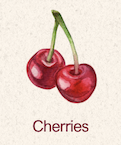
Cherries
- LA: May–July
- NY: June–July
Cherries have a short season and reward chefs who use them with intention. Darker varieties pair well with rich elements and tend to be higher in antioxidants.
This stone fruit (no, it’s not a berry!) shows up in both sweet and savory dishes, working well in salads and alongside roasted meats.
In pastry kitchens, cherries play a dual role, offering bright acidity and natural sweetness to things like compotes and clafoutis.
“I love pairing cherries with chocolate,” says Pastry & Baking Arts Chef-Instructor Carrie Smith.
Cherries can also be pureed and used to flavor pastries, sorbets and ice creams. Make Director of Pastry Research & Development Jürgen David’s Ice Cream Cake — but first watch him demonstrate its preparation in the video below.
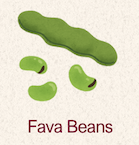
Fava Beans
- LA: February–April
- NY: April–May
Prized for their rich texture and grassy flavor, fava beans are one of the first legumes to appear in spring. While they require some preparation, fava beans' payoff is tremendous. It's a tender, vibrant ingredient that’s perfect for simple, herb-forward dishes.
“Fava beans have been cultivated since 6000 B.C.,” says Chef Carrie. “Packed with protein, fiber, folate and essential vitamins and minerals, they’re delicious once blanched and sautéed with herbs, garlic and olive oil.”

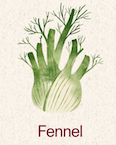
Fennel
- LA: November–April
- NY: March–June
Chefs are often drawn to fennel. That's due largely to its multiple personalities; where cooked fennel can taste slightly candied, raw fennel is crisp and bright. (Heat softens fennel's structure and heightens its sweetness.)
“I often use fennel raw and shaved thin in salads and slaws,” says Chef Carrie.
Gentle cooking transforms the bulb, making it ideal for braising with citrus, white wine and aromatics like shallots. In professional kitchens, chefs choose fennel preparations to create balance — raw applications elevate existing flavors; cooked versions anchor richer dishes.
This vegetable’s crunchy texture and bright, aromatic notes make it a natural fit for composed salads. Try this fennel dressing and salad from ICE Vice President of Culinary Operations Barry Tonkinson:
- Fennel Frond Dressing: Remove wispy fronds from the bulb and chop finely. Combine with olive oil and fresh blood orange, then season with salt and black pepper.
- Fennel Salad: Slice the bulb finely on a mandolin. Add to a bowl with blood orange segments and toasted sunflower seeds, top with fennel frond dressing.

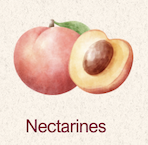
Nectarines
- LA: May–September
- NY: July–August
Early-season nectarines require more discernment than manipulation, as it can be hard to tell when this fruit is at its peak.
“These are best served raw once ripe,” says Chef Carrie.
If, however, you cut into a nectarine that's not at its peak — take a page from the pro chef playbook: Grill underripe fruit or bake it into pastries, and cook down overripe fruit to make jams or compotes.
Nectarines ripen best at room temperature, not in the refrigerator (cold temperatures slow ripening). Once ripe, chilling helps hold their texture and flavor.
Try this Sizzling Stone Fruit Salad with Goat Cheese Mousse, where nectarine is carbonated in a SodaStream, yielding fizzy fruits that taste like solid bites of fruit soda — watch how to make it in the video below.
April produce rewards chefs who pay attention, as ingredients that appear interchangeable early in the season can behave differently once cut or heated.
Understanding how seasonal ingredients change is what transforms good cooking into great cooking — and it’s these observations and their resulting changes to technique that provide the foundation for seasonal cooking.
Request more info about ICE's Health-Centered Culinary Arts program today.