
What Does Juneteenth Mean To You? Chefs Talk History, Community and BBQ


Juneteenth commemorates the end of slavery in the United States. We spoke with Institute of Culinary Education Chef-Instructors about what the holiday means to them, and why barbecue plays a central role in Juneteenth celebrations.
On June 19, 1865 — more than two years after the Emancipation Proclamation was issued — Union troops arrived in Galveston, Texas to enforce the emancipation of enslaved people.
Over time, the honoring of this seminal date spread throughout the South and, more recently, across the country. In 2021, Juneteenth was recognized as a federal holiday, yielding broader awareness of its historical significance.
🍖 Related Read: James Hemings, America's First French-Trained Chef
Today, it’s marked across the country — from large public celebrations to smaller backyard gatherings — and events often center on food, reflection and community.
“Growing up, the date was not really discussed within my family,” Chef Gill Boyd says.
“It was not until my adulthood that I understood the importance of the date. Now it holds great meaning, acknowledging the history of slavery in the United States.”
Chef Boyd’s colleagues share similar sentiments and emphasize both history and progress. For Chef Alexander Harris, declaring Juneteenth a federal holiday is a step toward fulfilling the country’s founding ideals.
“For me, it’s about recognizing where we’ve been and continuing to move forward,” he says.
Chef D’Andre Carter points to the importance of visibility.
“I’m just happy that everything African Americans went through is being recognized,” he says. Chef Dominique Leach highlights representation within the barbecue community.
“One of my missions as a chef is to create space for Black pitmasters, especially Black women,” she says.
Why Barbecue Matters
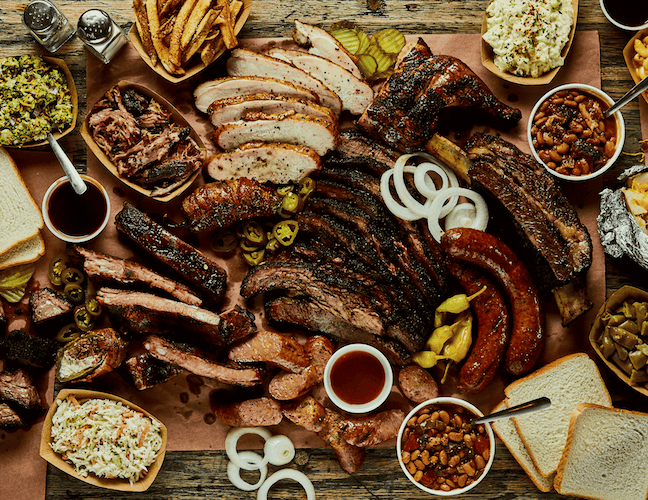
Food has always been central to Juneteenth celebrations, and while red foods hold historical significance, many chefs pointed to barbecue as the defining tradition.
“The food of my childhood,” Chef Alexander says, “is soul food and barbecue.”
For Chef Gill, barbecue is rooted in process and anticipation.
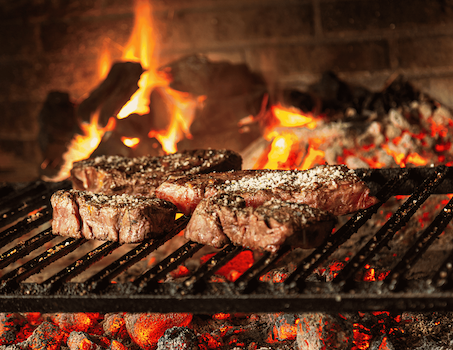
“It’s about slow cooking, patience and the result — tender, flavorful meat,” he says.
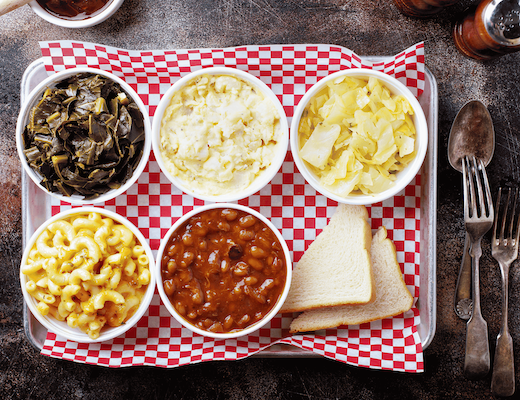
“We love to come together around barbecue — ribs, mac and cheese, greens, cornbread,” says Chef D’Andre. “That’s a celebration.”
Chef Dominique agrees: “There’s something powerful about firing up the grill with family and celebrating what we’ve overcome.”
While traditions may vary, one theme remains consistent: community. Barbecue, with its emphasis on time, care and shared experience, creates a space for connection. As the holiday continues to grow in recognition, so does the opportunity to reflect, gather and honor the history it represents.