
ICE LA Hosts Acclaimed Chefs at California's First Japanese Wagyu Sommelier Certification

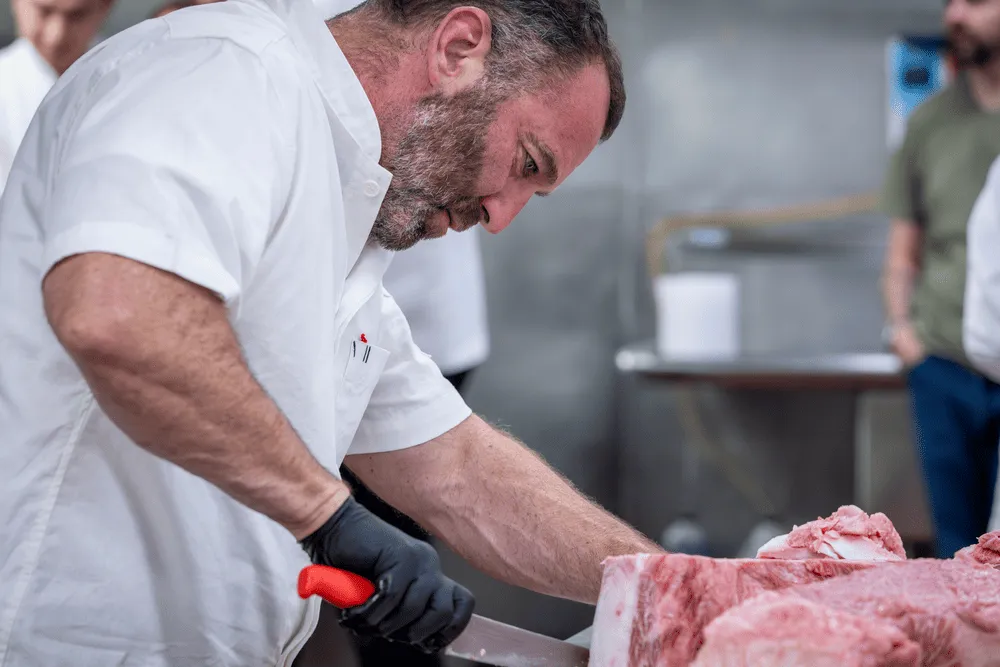
The Wagyu Sommelier Certification Program held its first course in Los Angeles at ICE Culinary’s LA campus last week. A collaborative effort across ICE, the Embassy of Japan, and the Wagyu Sommelier Association, the immersive three-day workshop invited acclaimed LA chefs, butchers and culinary professionals — as well as select ICE students — to deepen their understanding of Japanese Wagyu.
“We’re honored to welcome an esteemed group of culinary leaders to our Wagyu Sommelier training,” said Mishel LeDoux, ICE’s director of restaurant & hospitality management.
“Having chefs like Neal Fraser of Redbird LA, Tony Esnault of Knife Pleat, David Féau of Wally’s Beverly Hills and Ben Ford of Ford’s Filling Station in attendance speaks volumes about the importance of education in the culinary industry,” she added.
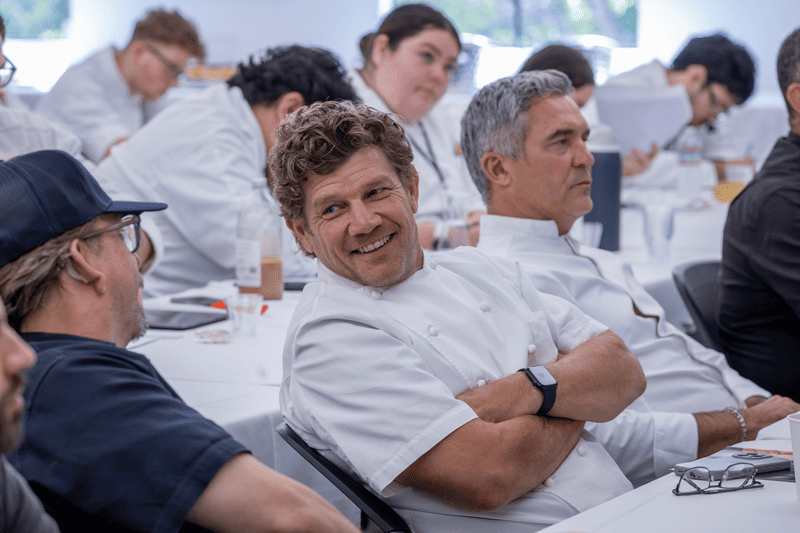
It also speaks to the value of attending culinary school in a major food city, wherein acclaimed food media, award-winning chefs and leading food entrepreneurs are prolific, making creative inspiration, networking, and sometimes — as was the case at last week’s event — the chefs themselves, more accessible.
“We are incredibly proud to offer the Wagyu Sommelier Certification at the Institute of Culinary Education’s Los Angeles campus,” said Lachlan Sands, campus president of ICE LA.
“This is a unique opportunity for our students," he added, "given our location in Los Angeles, as well as the broader LA restaurant industry to gain hands-on experience with Japanese Wagyu, and it’s part of our ongoing commitment to provide access to world-class culinary education and industry-leading experiences right here at ICE in LA.”
Chef Oscar Torres was among those in the “broader LA restaurant industry” to attend the workshop. In an elevator ride between a Wagyu lecture and demonstration, he connected with a culinary student who was also attending the workshop — and the two discussed a work opportunity for said student at an upcoming event at Verse, Chef Torres’ Toluca Lake hotspot. (Celebrities and locals alike flock to Verse for its popular tasting menu.)
“You don't always get that opportunity to be a fly on the wall and learn,” said Chef Torres.
For him, learning to cook is about muscle memory, and industry leadership is about mentorship.
“The more you cook, the easier it becomes,” he said, pausing to add a crucial addendum: “The more opportunity you get, it becomes easier.”
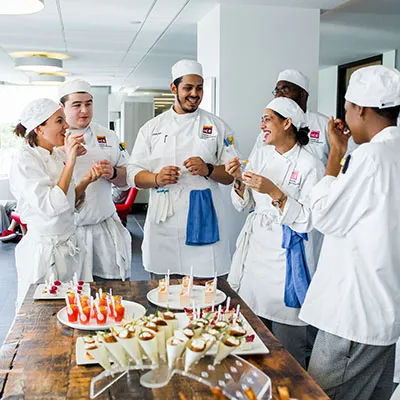
As to the Wagyu Sommelier curriculum, it included a combination of classroom education and hands-on training in ICE’s state-of-the-art kitchens.
Workshop attendees explored topics including Wagyu breeds and brands; Japan’s grading systems; butchering techniques; nutritional perspectives; secondary cuts; and optimizing Wagyu menus according to pricing and profitability.
It was the latter that drew Chef Alice Mai, Chef-Owner of Attagirl in Hermosa Beach, to attend.
“We’ve been looking for opportunities to serve Japanese Wagyu,” she said. “Since we specialize in skewers, we want to always have different proteins.”
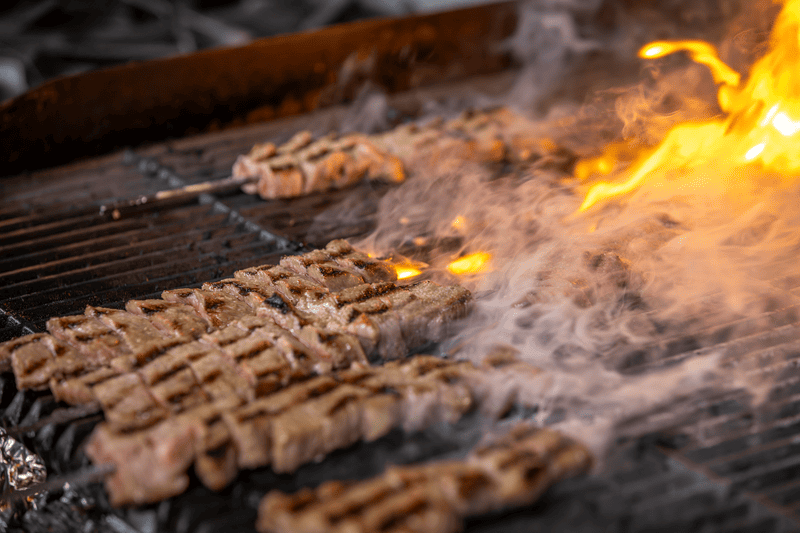
For Chef Mai, the workshop’s appeal is in the knock-on impact it will have on her business. In short, the lessons she’s learning will enable her to educate her servers, which will in turn, enable servers to teach guests — “and help them make decisions about whether Wagyu is worth trying.”
Brian Lofnik, Chief Development Officer for the Wagyu Sommelier — and a professional chef himself — put the expectations for the certification program this way: “Work with chefs, educators, students, distributors and really anybody in the restaurant industry to inform them about Wagyu.”
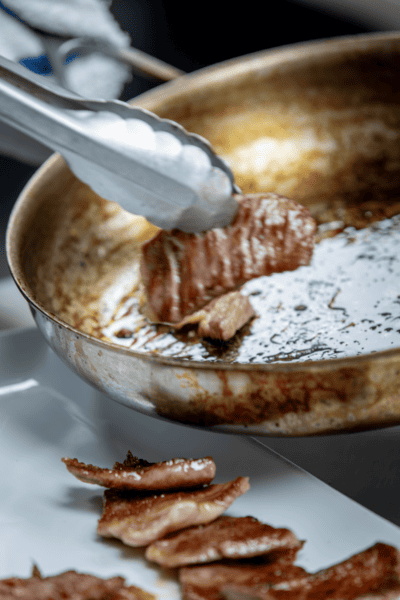
“We want them to understand that there's a lot of misinformation and miseducation,” said Lofnik. “The goal is to teach restaurant people about the product — [things] like how to butcher it and how to use it, how to put it on their menus and how to approach secondary cuts.”
To that end, the workshop’s programming also included daily demonstrations focused on the preparation techniques and applications of various Wagyu cuts.
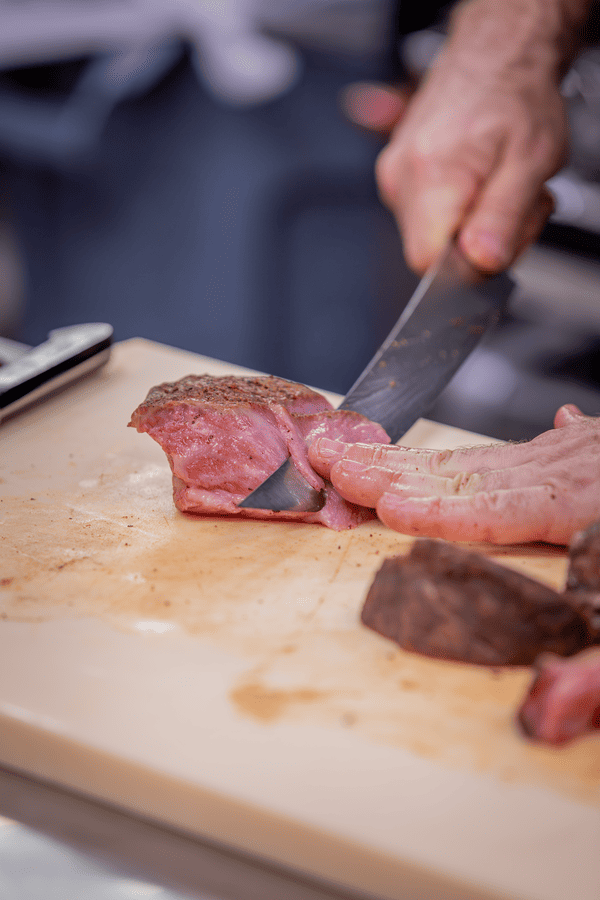
Chef Adam Perry Lang, whose classical French training belies his acclaim as an expert in barbecue and dry-aged steaks, led several demonstrations. (One of the workshop’s most memorable moments occurred when Chef Lang meted out — double entendre intended — slices of delicate Wagyu pastrami via the tip of a Japanese butcher’s knife.)
As to what the chefs enjoyed most about the workshop, sentiment toggled between the tasting and the teaching.
Chef Tony Esnault of Michelin-starred Knife Pleat in Costa Mesa had this to say: “What I like about Wagyu beef, in general, is the philosophy behind the way the animal is raised,” he said. [They are] more humanely raised. They don't do factory production. The farmer has less than 40 cows.”
This is a sentiment echoed across attendees, many of whom can now add “Level 1 Wagyu Sommelier” to their lengthy list of accolades. (The workshop concluded with an exam. Those who passed were awarded the world’s only internationally recognized Wagyu Sommelier certification — and the first to be granted in Los Angeles.)
The participation of so many esteemed chefs reflects, according to LeDoux, “a shared commitment to excellence and a deep respect for craftsmanship.”
“As the culinary industry continues to evolve,” she said, “ongoing education remains essential — not only to elevate the dining experience, but to ensure chefs are equipped with the knowledge to make informed, responsible sourcing decisions.”
To that, we say “Hear, hear!”