
"The Bear" Gets These 5 Things Right (and These 2 Wrong), Say Pro Chefs

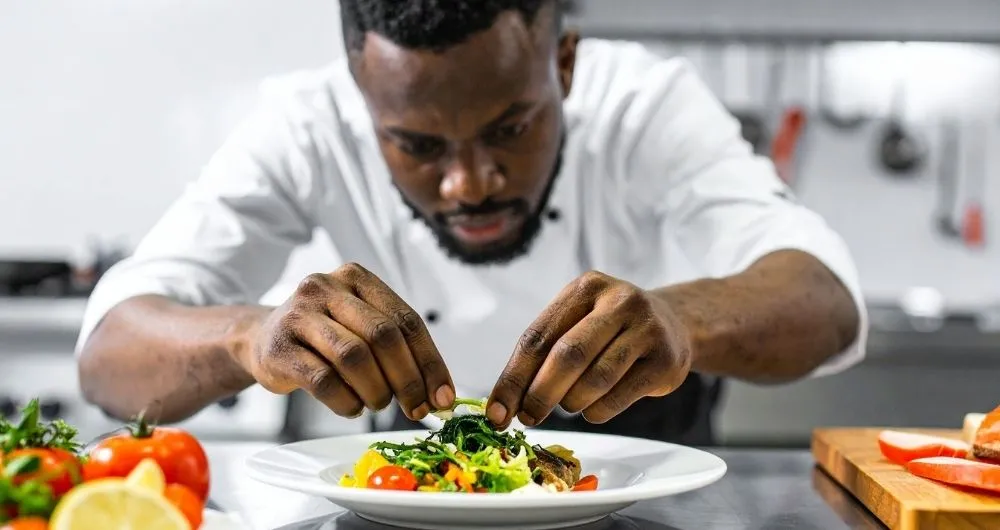
Few television shows have sparked as many conversations in restaurant kitchens as The Bear.
When the award-winning series premieres its fifth and final season on June 25, viewers will once again tune in for its drama and pathos — high-strung personalities, emotionally volatile relationships and stress-inducing dinner services.
For culinary professionals, however, the show’s appeal centers as much on industry hot takes as it does histrionic hijinx.
Cooking and Crying
Since its debut, The Bear has been much more than a show about cooking. Its storylines explore ambition, grief, addiction, mentorship, family dynamics and the pursuit of excellence — all themes that resonate beyond the kitchen.
Still, its look at restaurant life and the people who are drawn to it is surprisingly accurate.
Ahead of The Bear season 5 premiere, we asked our professional chef-instructors what The Bear gets right, where it falls short, and why so many hospitality workers see themselves reflected in its characters.
TRUE: You Will Have Dreams (or Nightmares) About Never-Ending Tickets
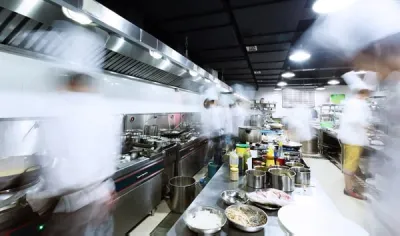
If there’s one thing The Bear captures perfectly, it’s the pressure of service.
“It really gets the energy and adrenaline of service time,” says Senior Chef-Instructor Stephen Chavez. “It’s hard to describe to someone that has not experienced it. It can be overwhelming and exhilarating at the same time.”
For professional cooks and chefs, the noise, pace and urgency depicted on screen can feel all too familiar.
“I know so many chefs that have had to turn the show off because watching it can bring back those feelings and memories,” Chavez says. “It’s not necessarily trauma… but it is definitely real.”
Ironically, that's part of the reason culinary professionals keep coming back to The Bear. Its authentic details harken memories — some difficult, but many more wonderful — of services, coworkers and kitchens they've worked in.
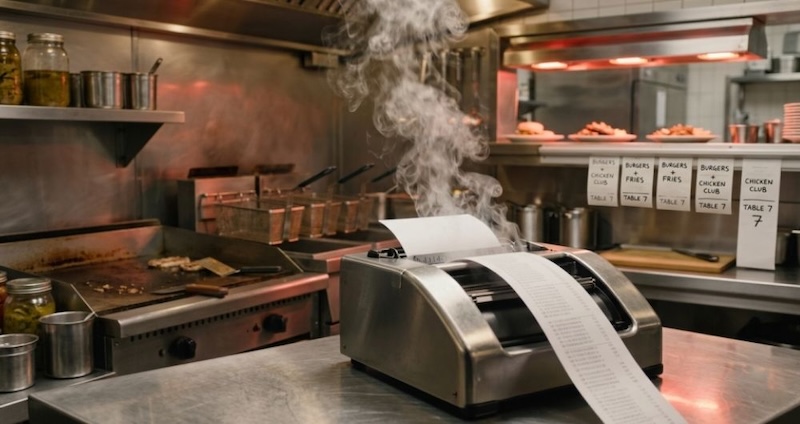
Chef Herve Malivert, director of culinary affairs at the Institute, points to one detail that instantly transports him back to the line.
“The one thing they focus on in The Bear that gives me goosebumps is the sound of the ticket printer.”
For anyone who has worked service, that sound means go time.
TRUE: Professional Kitchens Speak Their Own Language
Another aspect of The Bear’s realism is its attention to the language and movement of professional kitchens.
“You have to maneuver in kitchens like you see dancers on a stage,” says Chef-Instructor and pastry and baking expert Carrie Smith. “It’s like a dance in a way.”
That dance relies on constant communication.
“‘Heard,’ ‘yes chef,’ ‘behind you,’ ‘hot’ and ‘sharp’ are phrases we say in the classroom and industry,” Chef Smith says. “They’re crucial for communication.”
Before filming The Bear, lead actors Jeremy Allen White and Ayo Edebiri studied at our LA campus, learning both the required skills and unique language of chefs.
White later described professional kitchens as having "a dance and choreography involved" and noted that learning the language of the kitchen was just as important as learning to cook.
Smith isn’t the only chef who sees professional kitchens as places of growth and transformation.
Chef-Instructor Ann Ziata says one of the most accurate aspects of The Bear is how exposure to new kitchens can expand a cook’s perspective and ambitions.
“The level of excitement and inspiration in professional kitchens where everyone shares a passion and focus is very much a real thing,” she says. “I’ve seen these transformations in myself as well as in many others I’ve worked with.”
FALSE: The Kitchen Is Never Calm
Watching The Bear, it’s easy to assume restaurant kitchens operate in a constant state of disorder. The reality is a little different.
“I think the biggest misconception is that it’s constant chaos,” says Lead Chef-Instructor Shawn Matijevich. “There is certainly some of that, but most of the day is preparation, organization and generally the kind of repetitive work that probably wouldn’t make for compelling television.”
In professional kitchens, success comes from preparation and organization.
“Most of our day is built on consistency and routine,” Matijevich says. “It’s just punctuated by moments of chaos.”
Malivert agrees, pointing to mise en place — the practice of organizing ingredients and equipment before service — as one of the most important skills chefs learn.
“The most effective stress reducer is preparation,” he says.
FALSE: Most Pro Chefs Are Toxic Chefs
The Bear doesn’t shy away from difficult leadership styles, heated exchanges and emotionally charged kitchen environments. While those moments make for compelling television, many chefs say the industry has evolved.
“I think the show and a lot of culture around chefs glamorizes intense and mean behavior as appropriate in a kitchen, and it’s not,” says Chef-Instructor Chef Patrick Zagorski.
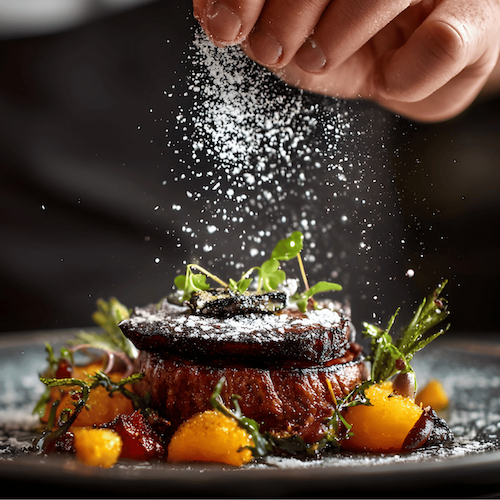
Smith says many businesses have moved away from the toxic environments that once defined parts of the industry.
“Our industry can be hard, but rewarding as well,” she says. “There is so much joy in preparing food for your guests, clients, family and friends.”
For Chef-Instructor Ravi Verma, the key to a peaceful, streamlined service lies in clearly defining roles and responsibilities within the kitchen. When this happens, “everyone works in synchrony to fulfill their duties.”
“It should be calm and in order where everyone understands their roles and works with an understanding of meeting deadlines in a stipulated time frame,” he says.
The chefs interviewed for this article repeatedly returned to the same key points: Successful restaurants are not one-person shows, and great kitchens run on communication, trust and teamwork.
TRUE: You Can Actually Get Locked in the Walk-In
While The Bear has turned the walk-in cooler into one of television’s most memorable restaurant settings, chefs say those refrigerated rooms really do become a second home during service.
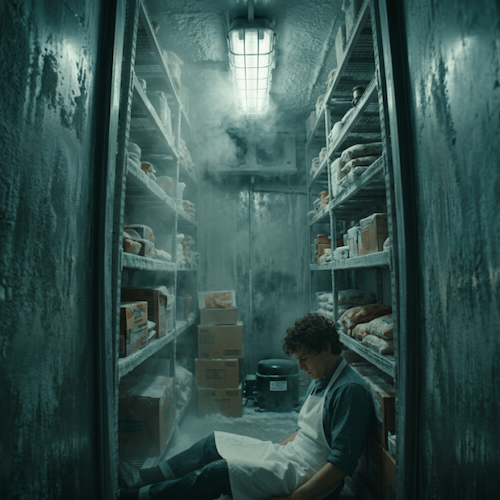
Verma says walk-ins have multiple functions: storage space, prep area and place of respite during busy shifts.
“Whether grabbing ingredients, organizing mise en place or taking a brief moment to regroup, cooks can spend countless hours moving in and out of walk-ins throughout a shift,” he says.
During fast-paced services, the pressure can make even routine tasks feel high-stakes. While being trapped in a walk-in cooler is rare, chefs say the pressure and urgency surrounding service are very real.
Chef-Instructor Sam Landwehr says the walk-in’s reputation as a refuge is absolutely accurate.
“The walk-in refrigerator is rightly portrayed as a place of peace and used often as a space to literally cool down, to cry or to collect your thoughts for a few quiet moments with nothing but the sound of the fans running,” she says.
While she never got trapped herself, she jokes that after some difficult shifts, “the thought of getting locked in the walk-in refrigerator sounded like a vacation.”
TRUE: Brunch Will Sometimes Break Your Will
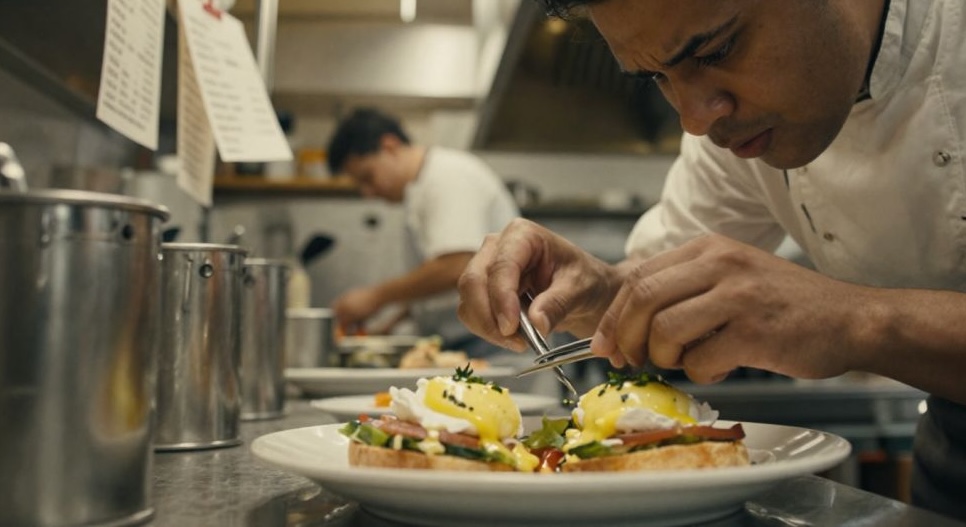
Ask restaurant professionals about the most deceptively difficult service, and many will point to brunch. Unlike lunch or dinner, brunch has three unique challenges.
Chef Sam says brunch’s fearsome reputation comes from a perfect storm of exhaustion, technical cooking and demanding guests.
“Combine the precision required for brunch food — think perfectly poached eggs and smooth hollandaise — with guests looking for an immediate solution to their own bad decisions, and you have all the ingredients needed for a full-blown breakdown,” she says.
#1 Brunch menus feature items that aren’t offered during any other service.
The ingredients and station setups for these items — think Eggs Benedict, pancakes, oatmeal and avocado toast, for example — only occur on weekends, so their transport and prep are much more time-consuming. “Hosting brunch involves a lot of planning and smart menu creation,” says Verma. “The team has to start well before opening and sometimes work extended hours to ensure they have enough mise en place to meet expected orders.”
#2 Brunch menus require teams to prepare breakfast and lunch at the same time.
Preparing egg dishes, salads, pastries and desserts simultaneously demands dexterity, focus and organization.
#3 The changeover from brunch to dinner is much faster than that of lunch to dinner.
Where the lunch rush occurs at a near universal time — typically ending by 2:00 p.m. — brunch starts early for some and late for others. This means that the time between brunch’s end and dinner’s start is often short and occasionally non-existent. Behind the scenes, chefs are typically executing brunch service and prepping dinner service at the same time.
All of these are facts of the business that brunch guests never see.
TRUE: Your Colleagues Do Become Your Family
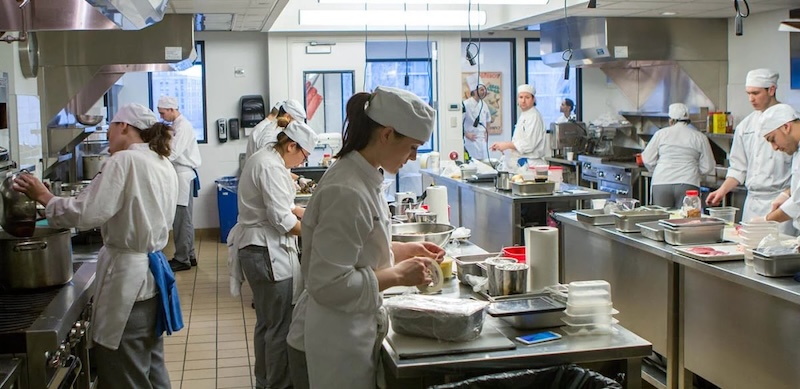
One of the most relatable themes in The Bear is the way restaurant coworkers become deeply connected through shared experiences.
“Restaurant kitchens are truly playing a team sport,” says Ziata. “The stakes are high and the synergy of the kitchen is reflected on the plate.”
This can yield close relationships. Verma compares kitchen teams to families forged together though shared challenges.
Chef Sam says restaurant workers often spend more holidays and weekends with coworkers than with relatives.
“If you are lucky, you get blessed with an amazing team that makes you forget about all the family moments you are missing out on,” she says.
“You’ll spend Thanksgiving and Christmas and Easter and the Fourth of July with a group of friends cooking your butt off for everyone else that gets to enjoy their families.”
“Kitchen teams have a close bonding and understanding of each other as they spend long hours with each other and understand their strengths and weaknesses” Chef Ravi adds.
Handal agrees. “The kitchen can quite literally be a crucible,” he says. “Everyone must realize they are part of a team, because without teamwork, nothing can be achieved in a meaningful way.”
Ziata says many of the biggest milestones in her own career can be traced back to relationships formed in professional kitchens.
“My entire career has been possible thanks to my coworkers,” she says. “From starting off in kitchens to becoming a culinary instructor and sommelier, I have my coworkers to thank for every step of the way.”
Beyond “The Bear”
The Bear may inspire viewers to imagine life in a restaurant, but professional chefs say a culinary career offers much more than what can fit into a television series.
“I’d want them to know their experience will be nothing like that,” Matijevich says. “It will be unique.”
For some aspiring chefs, the career path starts in a restaurant. For others, it begins in catering, test kitchens or institutional cooking.
The Bear offers a very specific glimpse of the culinary world. In reality, its scope is much more broad. Keep that in mind as you’re enjoying — as we will be – the exploits of Carmy, Syd, Tina, Richie, Fak and the gang. Happy viewing!
🔪 Inspired by The Bear? Request info to discover where a culinary education can take you.

Fast-Track Your Career
Discover the No. 1 Ranked Culinary School in America*