
May Fresh Produce Guide: How Chefs Handle Spring’s Peak Ingredients

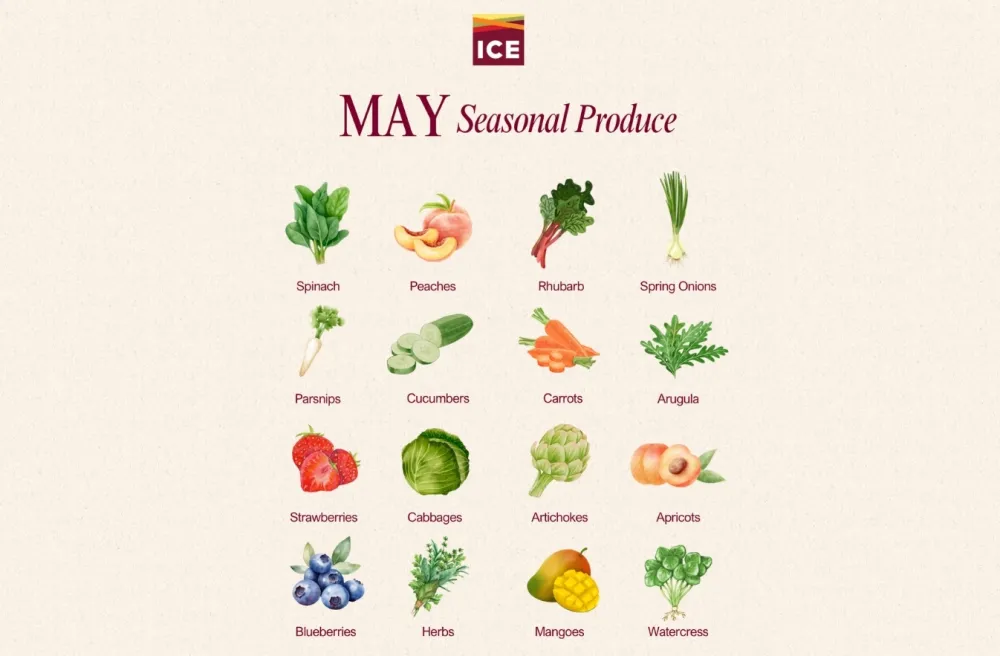
With Mother’s Day meals and seasonal gatherings in mind, chefs rely on May’s fruits and vegetables to deliver flavor without excessive preparation.
In spring, fruits and vegetables set the pace, calling for techniques that respond to the ingredient rather than override it.
Below, ICE Chef-Instructors suggest the best uses for May’s unique produce.
Apricots
- LA: April–June
- NY: May–June
Apricots define the urgency of spring cooking. Their short season requires decisive handling, with applications that move easily between sweet and savory.
“Apricots are an underrated stone fruit,” says Senior Chef-Instructor Stephen Chavez. “Their sweet-tart flavor works across pastries, custards and cheeses, and they hold up well to baking, stewing and grilling.
Serve them simply: fresh with a dollop of labneh and a drizzle of honey; or baked into pies, crisps or this Apricot Cognac Tart from our Pastry & Baking Arts curriculum.
If the fruit clings to the pit, ICE Director of Pastry Research and Development Jürgen David has a solve for that. He uses the end of a wooden spoon or spatula to push the pit out of the fruit. Watch him demonstrate this technique in the video below.
Arugula
- LA: March–June
- NY: April–June; September–October
Arugula brings structure and contrast to spring dishes. Its peppery bite balances richness without relying on heavy sauces.
“Arugula is bold and savory,” says Chef Stephen. “It works as both a supporting element and a standalone green.” He often pairs it with citrus, fennel or toasted nuts to soften the vegetable’s bitterness.
Try this Blackberry Basil Arugula Salad, which is finished with a bright vinaigrette that counters the greens’ bite without overwhelming the plate.
Or, if you’re hankering for pesto, Lead Recreational Chef Samantha Landwehr makes a mean pesto that's half basil, half arugula. “The arugula adds a lovely bit of spiciness,” she says. Watch her prepare it in the video below.
Cucumber
- LA: April–September
- NY: May–August
Cucumbers demand restraint. Their high water content requires careful handling to preserve texture and clarity of flavor.
Not just for salads or pickling, try it in this Cucumber Lime Ginger Spritzer from Health-Centered Culinary Arts Chef-Instructor Richard LaMarita. Here, fresh cukes are muddled with lime juice and mint, then mixed with ginger beer for a spicy, herb-forward beverage. (See how Chef Richard makes it in the video below.)
To prevent bitterness and excess moisture, trim the ends and remove the seeds before slicing.
Store cucumbers at 50–55°F, away from ethylene-producing fruits like apples, bananas and tomatoes, which accelerate decay.
Fresh Herbs
- LA: Year–round
- NY: May–October
Fresh herbs shape spring cooking more than any single ingredient. They fall into two categories: tender varieties (like basil and cilantro) and hardy herbs (such as rosemary and thyme).
This distinction guides best practices for when to add herbs to dishes. “Add hardy herbs early in the cooking process to release flavor,” says Pastry & Baking Arts Chef-Instructor Ravindra (Ravi) Verma. “Finish with tender herbs to preserve aroma and color.”
Wash herbs just before use and cut them with a sharp knife to prevent bruising. Store any leftovers upright in water or wrapped in a damp towel in the refrigerator. Freezing chopped herbs in olive oil or water creates efficient flavor bases for soups, sauces and grains.
Identifying fresh herbs through sight, smell and taste is an early lesson in ICE’s Culinary Arts curriculum — do you know your herbs?
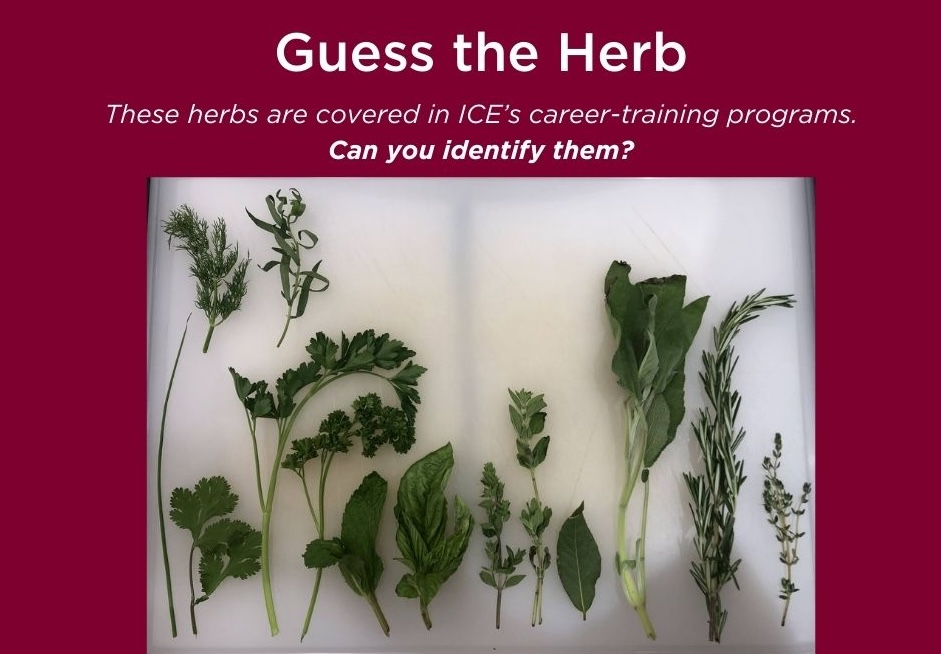
Answer Key (L-R): dill, tarragon (top left), chives (top right), cilantro, parsley, curly parsley, mint, basil, marjoram, oregano, bay leaf, sage, rosemary, thyme
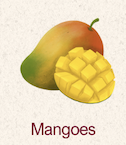
Mango
- LA: May–September
- NY: May–September
Mango bridges spring and summer, offering sweetness that extends beyond dessert. Chefs evaluate ripeness by aroma and softness rather than color, allowing the fruit to mature naturally before use.
“Mangoes have been cultivated for over 5,000 years,” says Chef Ravi. “They work ripe or unripe in both sweet and savory applications.” While global trade makes mangoes available year-round, quality peaks during warmer months.
Celebrate Asian-American and Pacific Islander Heritage Month by making recipes that feature mangoes. (The fruit is prolific across South Asia and symbolizes love and prosperity in many cultures.)
Try Fermented Seven-Spice Mango Onigiri, where mango offsets umami-rich rice and spice with controlled sweetness and acidity.

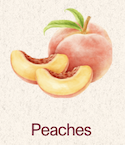
Peaches
- LA: May–September
- NY: May–August
This sweet, juicy stone fruit is something people look forward to all year long. Its delicate skin and high sugar content rewards cooks who apply heat sparingly and handle the fruit with intention.
“Peaches are one of the most versatile stone fruits,” says Chef Stephen. “They shine in classic desserts but also work well grilled or paired with savory dishes, especially pork and chicken.”
Add peaches to spring and summer salads and bruschettas, or bake into pies and tarts. Alternatively, this refreshing Peach Chamomile Cordial is perfect for Mother’s Day.
Unsure about the differences between peaches and nectarines? Chef Stephen explains in the video below.
May’s peak produce moves quickly and professional kitchens respond by adjusting technique rather than forcing outcomes. Thoughtful handling — from storage to preparation — allows ingredients to shine as the season reaches its height.
Request more info about ICE's Culinary Arts program here.