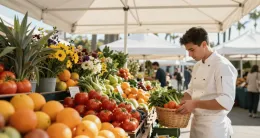

March Fresh Produce Guide: Cooking at the Cusp of Spring


In the kitchen, March sits between seasons: winter cooking techniques are still prevalent, but early spring produce marks a shift in flavor, texture and application.
Chefs approach this transitional month with flexibility, pairing sturdy and lighter vegetables and adjusting cooking techniques accordingly.
From spinach and artichokes to asparagus, strawberries and spring onions, March rewards simpler preparations and keeping flavors fresh.
Here are six ingredients that bridge winter to spring, along with professional techniques for preparing them.
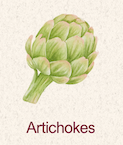
Artichokes
- LA: March–May
- NY: April–June
Artichokes pair winter’s heartier cooking with spring’s fresh flavors. Their mild bitterness pairs naturally with citrus, olive oil and herbs — flavors that begin to reappear on March menus.
ICE Instructor of Health-Centered Culinary Arts and registered dietitian Connie Elick recommends steaming whole artichokes until the outer leaves pull away easily, noting that gentle, even cooking helps soften the vegetable and highlight its naturally sweet, nutty flavor.
“Steamed artichoke can be a healthy appetizer at a holiday meal,” she says. “Place a whole artichoke in a pot with a steamer basket, bring to a boil, then cover and steam until it is easily pierced with a fork and the leaves are easy to pluck — serve with aioli sauce.”
Steaming the choke until tender works well for simple appetizers, while braising and roasting bring out deeper, nuttier notes.

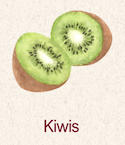
Kiwi
- LA: November–April
- NY: December–April
Kiwis add brightness and acidity to late-winter and early-spring menus, offering contrast to richer dishes while signaling the seasonal shift ahead. Chefs typically use kiwi raw, so its color and clean flavor stand out.
“Kiwis are lovely on a fresh fruit tart,” says Pastry & Baking Arts Chef-Instructor Carrie Smith. This is because the fruit’s acidity pairs well with pastry cream, yogurt and whipped dairy.
“Use a spoon to remove the fruit’s skin and keep its barrel-shape intact. These are best served raw, as cooking dulls the color,” she adds.

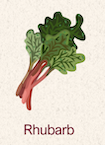
Rhubarb
- LA: March–May
- NY: April–June
After months of winter cooking with heavy proteins and starchy tubers, rhubarb’s vibrant color is a welcome sight.
“Rhubarb has a tangy, tart flavor and a cheerful, crimson-pink color,” says ICE Chef Ann Ziata.
She points out, however, that while rhubarb is often associated with desserts, it’s not naturally sweet.
“It’s usually cooked with fruit or sugar to balance its exceptionally puckery flavor,” she says.
That “puckery flavor” is the vegetable’s sharp acidity, which pairs well with savory dishes that feature fresh herbs, fatty meats and roasted vegetables.
This Hard Cider–Poached Rhubarb Crostini with Cheese and Mint is a perfect example — watch Chef Ann make it in the video below.
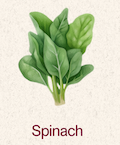
Spinach
- LA: Year-round
- NY: March–June
Spinach’s mild flavor and tender texture make it well-suited to both raw and lightly cooked preparations. Elick recommends storing spinach in the refrigerator in a plastic or glass container lined with paper towels to absorb excess moisture, which helps extend shelf life.
She also points to the vegetable’s versatility as a smoothie base. “Spinach blends easily with fruit, yogurt, spices and seeds for a simple, nutrient-dense option,” says Elick. She suggests adding two handfuls of spinach to a blender with half a banana, a small handful of berries, and either vanilla protein powder or vanilla Greek yogurt. Season lightly with cinnamon or ginger, add milk or calcium-fortified soy milk and blend until smooth.
In ICE’s Health-Centered Culinary Arts program, ingredients like spinach are often used to introduce plant-forward cooking techniques that emphasize balance, flavor and nutrition.

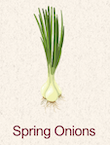
Spring Onions
- LA: Year-round
- NY: March–May
Spring onions, along with scallions and other early alliums, signal the shift toward lighter, more aromatic cooking. Their mild bite and tender texture make them especially well-suited to early spring dishes that highlight freshness.
Chefs serve this versatile vegetable both raw and cooked, adding crunch and depth to dishes. Gently cook or grill the white bulbs and use the green tops as a garnish.
“Spring alliums signal the start of the new season at the farmers market,” says Culinary Arts Chef-Instructor Remy Forgues. Their mild bite works well in salads and quick sautés, adding brightness without overwhelming other ingredients.
Watch Chef Remy make his Spring Allium Salad, featuring ramps, English peas and spring onions in the video below.

Strawberries
- LA: March–June
- NY: May–June
While peak strawberry season still lies ahead for New York, early spring berries are already showing up in California. Their sweetness signals the move toward lighter desserts and bright finishes.
Elick emphasizes gentle handling when working with strawberries, advising that berries be stored unwashed in a shallow container lined with wax paper. She recommends rinsing strawberries just before use to limit moisture exposure and preserve taste and flavor.

Strawberries pair naturally with citrus, chocolate and herbs (like mint and basil). So, while Valentine’s Day may have passed, the technique and flavors behind this strawberry cheesecake remain relevant well beyond February — see how to make it in the video below.
March cooking rewards attentiveness. Ingredients shift quickly this time of year, and small decisions — when to apply heat, when to preserve texture and when to let acidity lead — shape the final dish.
By approaching early spring produce with this mindset, chefs can navigate the seasonal transition with confidence while sharpening techniques that carry into the months ahead.
Request more info about ICE’s Health-Centered Culinary Arts program here.