
Chef Sugar Sungkamee Preserves Southern Thai Food Legacy in LA — and Builds One of Her Own


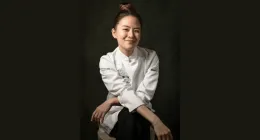
To celebrate 50 years of ICE, we’re honoring 50 distinguished ICE alumni. Meet Chef Sugar Sungkamee, an ICE Restaurant & Culinary Management program alum and an LA chef-restaurateur tending her family’s culinary legacy through traditional Southern Thai flavors.
Chef Sugar Sungkamee was born into one of Los Angeles’ most iconic kitchens, Jitlada. Her father, Chef Suthiporn “Tui” Sungkamee, and her aunt, Chef Sarintip "Jazz" Singsanong, served Southern Thai cuisine to East Hollywood diners for eleven years. (Jitlada actually opened in the 1970’s, but it was Chefs Tui and Jazz who made it a destination.) Their cooking enhanced Angelenos’ understanding of Thai food, and the restaurant was beloved to a degree that can’t be overstated.
When Chef Tui passed away in 2017, Sugar stepped in, sharing the reins with her aunt and supporting the preservation of a family legacy and cultural landmark.
But Chef Sugar wasn’t content to simply maintain traditions; she wanted to sharpen them. After earning her MBA, she enrolled in the Restaurant & Culinary Management program at the Institute of Culinary Education. Though she’d worked in her family’s kitchen from the time she was a teen — shopping for produce, cooking, managing social media and leading a team — her goal was to strengthen her business acumen and lay the groundwork for long-term growth. ICE gave her the structure and strategy to do that.
Today, her creative process is rooted in storytelling. Whether crafting the perfect curry paste or plating turmeric seabass, Chef Sugar sees each dish as a chapter in her family’s narrative. She draws from the cookbooks her father left behind and the in-the-moment mentorship of her aunt.
In a recent conversation, we talked about her ICE experience, leading a legacy restaurant with confidence, and the business strategy she employs at Jitlada.
* The following interview has been condensed and edited for clarity.
* Photos courtesy of Louis P.
ICE: What do you consider to be your biggest professional achievement?
Sugar Sungkamee: One of my biggest achievements has been stepping up to lead Jitlada after my dad, Chef Tui, passed away in 2017. He and my aunt, Chef Jazz, built something really special. I felt a deep responsibility to carry on that legacy. I’m proud to continue building the restaurant alongside my aunt, and to be part of a family business that’s loved by so many.
Another major milestone was enrolling at ICE. I wanted to learn the specifics of restaurant management, how to promote the brand, manage a team, and grow our national presence. It was a way for me to honor my roots while building skills.
ICE: Can you describe your creative process?
SS: For me, it always starts with storytelling. I love sharing what I learned from my dad and my aunt, especially how to perfect a curry paste. At Jitlada, our focus is on bold, authentic Southern Thai flavors. I enjoy explaining where dishes like Kua Kling dry curry or turmeric sea bass come from, and what they mean to our family.
ICE: To what factors do you attribute your success?
SS: My success comes from growing up in the restaurant and working every role since I was in high school. A typical day means shopping for produce, leading the team, managing social media, and making sure every dish is the best Thai food you ever had.
ICE: When did you realize you had a passion for food?
SS: Ever since I was born, my dad planned for me to become a chef and run a restaurant. My passion for food grew from following in his footsteps, learning everything from cooking to managing the restaurant and going to the market.
What I love most is seeing how my dad’s cooking brings people from all walks of life — from around the world — together… and how happy they are after a meal. That joy inspires me to carry on his legacy and create my own path.
ICE: Why did you decide to enroll at ICE?
SS: Before I enrolled, what stood out most to me was that ICE is ranked the number one culinary school in America. Knowing it was a top-tier institution gave me confidence that I would receive a high-quality education. I researched a few schools, but ICE stood out because of the real-world approach.
I love that the program is designed for people who want to run restaurants, not just cook in them. I also appreciated the discounts of taking two programs such as Restaurant and Culinary Management and Culinary Arts.
ICE: What was your first impression of ICE?
SS: When I think of ICE, I think “transformational.” I felt that ICE would give me the tools I needed not only in the kitchen but in business and leadership. It will help me take what I already knew from growing up in a restaurant and sharpen it with structure, precision, and new inspiration.
Also seeing the success of so many of its alumni, chefs and restaurateurs who went on to work at or open some of the most well-known restaurants. Learning about their journeys really motivated me and made me feel like ICE was the right place to help me build my own path in the food world.
ICE: Do you have a core memory from your time at ICE?
SS: One of my core memories from ICE was learning under Director of Restaurant & Hospitality Management Mishel LeDoux in the Restaurant and Culinary Management program. Her presence and passion came through in every class. With all her experience from Wolfgang Puck’s CUT to The Bazaar by José Andrés, she brought so much real-world knowledge, and I soaked up every bit of it.
She taught me the importance of hospitality, leadership, and creating memorable guest experiences. I was also honored when she invited my Aunt Jazz and I to do a demo at the school. That moment made me feel truly special to share our Thai recipes with other students.
ICE: How was it returning to the restaurant after being a student?
SS: Even though I was already helping run Jitlada, studying at ICE gave me a stronger foundation in the business side of operations. The course on cost control and revenue management really stood out. It covered labor, food and beverage costs, purchasing guidelines, inventory control, and how to use point-of-sale systems and technology to streamline operations.
Service Management also made a big impact on me. It reminded me how important it is to set performance standards and always focus on the guest experience. My goal is for every customer to leave Jitlada happy, and ICE helped sharpen the tools I use to make that happen.
ICE: What would you say to people pursuing a culinary career?
SS: Before you run a kitchen or open your own place, get as much real-world experience as possible. Work every position, learn from different chefs, and see how different kitchens operate. That hands-on knowledge is what prepares you for the pressure and responsibility that comes with leading your own team one day.
Talk to chefs, ask questions, and never stop learning. Whatever you do, keep your roots close. Let your culture, your family traditions, and your personal story shape your food.
ICE: Who or what inspires you?
SS: My biggest inspiration has always been my dad. He was an incredible chef and he left me with a collection of cookbooks that I still treasure. Now that he’s no longer here, I find inspiration in my aunt, Chef Jazz — her bold way of cooking, her approach to life, and the way she connects with people through food. Watching her in action has taught me so much about another level of hospitality and what it really means to take care of others through cooking.
ICE: Let’s talk about mentorship. Who mentored you, and how do you pass it on?
SS: My aunt Jazz is definitely my mentor now. She’s taught me everything from how to make sauces, marinades, and curry pastes, to how to adjust flavors and use herbs to make a dish really pop.
I love passing on the gift of mentorship by teaching cooking demos at culinary schools for junior high and high school students. I also stay connected with younger chefs through social media, sharing tips, giving feedback, and inspiring them to keep learning, especially when it comes to Thai cuisine.
ICE: Is there a lesson from ICE that you still use today?
SS: One lesson I use every day is the importance of marketing. Even though our restaurant has been lucky to receive great reviews and press, I’ve learned that ongoing marketing is crucial. It helps us keep our current guests engaged, attract new customers, and share what we’re up to. Whether it’s a special event, a new dish, or simply the energy in our kitchen, we want to keep our guests involved. Marketing allows us to tell our story, stay relevant, and keep guests excited about dining with us.
ICE: Do you have any advice for future ICE students?
SS: Ask questions and stay curious. Try making dishes on your own time, taste them at restaurants, and explore different versions.
Stay in touch with local chefs in your area. You can always learn something new from them. Building those relationships and continuing to learn outside the classroom will help you grow so much more, both in skill and confidence.
ICE: Anything else you’d like to share?
SS: A big thank you to ICE for everything. The knowledge, the experience, and the connections I gained have truly shaped my journey. I’m grateful for the opportunity to learn from amazing instructors and be part of such a supportive community. ICE has been a key part of my growth as a chef and restaurant owner.
Quickfire Questions
Favorite kitchen tool? Wok
Salty or sweet? Salty
Favorite food holiday? Chinese New Year
Favorite food city? Los Angeles
In what order do you prefer to cook, bake, eat? Cook. Eat.Bake
Favorite cuisine? Thai
Go-to “easy” recipe? Thai basil chicken (Pad Krapow)
Go-to “wow” recipe? Whole fried Seabass with Mango sauce
Most frequently used ingredient (beyond basics)? Thai chili
Spring, summer, fall, or winter—favorite food season? Summer because everything’s fresh, vibrant, and full of color.
* Experience varies by student, with outcomes contingent on factors including graduate aptitude, job market, place of residence and work history, among others.