

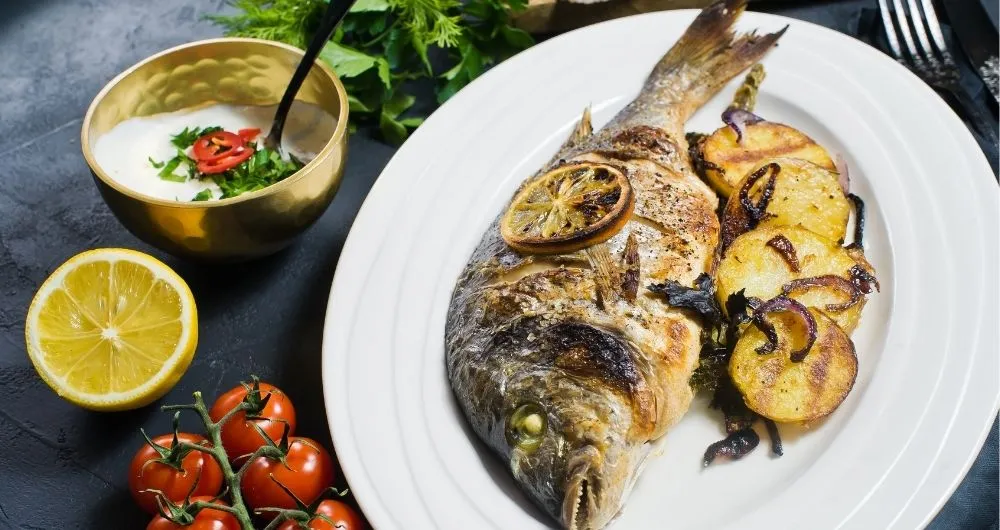
When it comes to grilling, fish and steak require two distinct approaches. Where steak is hardy, forgiving and slow to cook through, fish is the exact opposite: delicate, captious and fast on the fire.
This is likely why so many people find fish intimidating – especially on the grill. With the right approach, however, fish can be one of the most deliciously rewarding catches to cook out. Chef Lachlan Sands, President of The Institute of Culinary Education’s LA campus, shares how to get it right (and avoid the classic mistakes).
Start Clean (Seriously)
If your grill isn’t clean, your fish doesn’t stand a chance. A smooth, hot surface helps prevent sticking and ensures even cooking. Think of it like a pan — those tiny scratches and debris can disrupt heat and tear delicate proteins.
Chef Lachlan’s move: oil a paper towel and use tongs to rub it across the grates. It won’t make the grill nonstick, but it will help create a more even surface.
Skin Side = Presentation Side
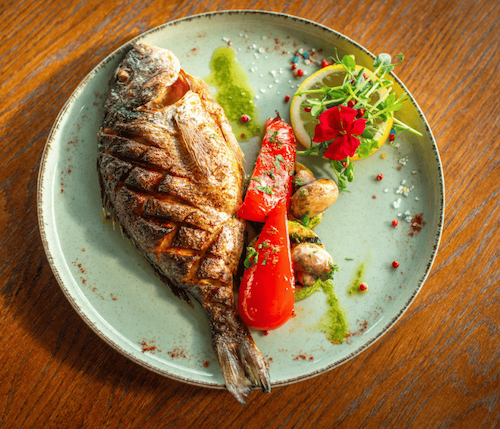
Simple rule, easy win. “If the fish has skin, the presentation side is always the skin side,” Chef Lachlan says.
After seasoning, brush the skin lightly with mayonnaise. It might sound unexpected, but it works. Mayonnaise is an emulsion, so it sticks well and helps protect the fish while it cooks.
Don’t Fight the Fish
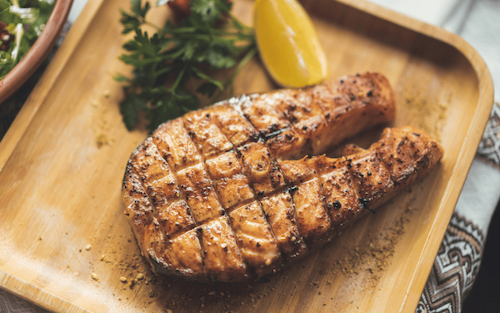
This is where most people go wrong. If the fish sticks, it’s not ready, and forcing it will yield shredded fish. Instead, let your fish cook about two-thirds of the way through before trying to move it. (When it’s ready, it will release on its own.)
To enable this release, don’t scrape at it. Rather, gently lift with a carving fork, then slide a fish spatula underneath. If it resists, give it more time. Patience is the difference between clean and chaotic.
Finish With a Light Touch
Once you’ve got that golden, crisp skin, don’t overdo it. To finish cooking, choose one of two options:
- Close the grill lid
- Place a pan over the fish for 10–15 seconds
The goal is gentle, even heat — not blasting it into dryness.
Fish ≠ Steak (Let That Go)
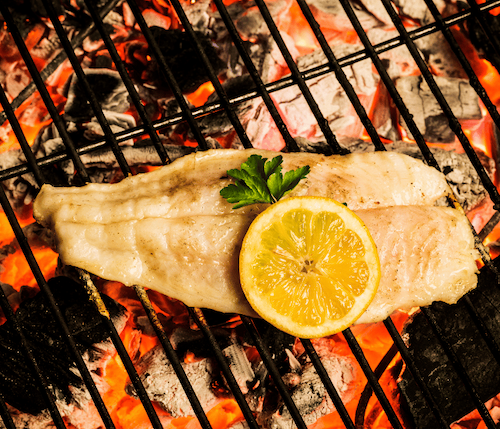
If you treat fish like steak, you’re setting yourself up for failure. Fish doesn’t cook evenly from edge to center like steak does. It’s normal (and ideal) for it to be more cooked on the skin side and slightly softer toward the bone.
Also, different fish require different timing. Thin fillets cook in minutes; thicker cuts take a bit longer. Translation: stay present and adjust as you go.
A Few More Pro Moves
- No skin? Cook the side opposite where the skin was first.
- Whole fish? Cook both sides — it’s too thick for one-sided heat.
- Don’t move your fish around — except for a quick turn (10 o’clock → 2 o’clock) for grill marks, leave it alone.
- Faster-cooking fish (like arctic char) can be done in 1–2 minutes.
- Thicker cuts (like salmon steaks) may take 3–4 minutes.
- Grilling fish isn’t about perfection. It’s about control.
Keep your surface clean, your movements minimal and your timing intentional. If you do these simple things, you’ll go from “why is this fish falling apart?” to plating something you’re actually proud of.
🐟 Explore more seafood techniques in the Culinary Arts program at the Institute of Culinary Education.


Fast-Track Your Career
Discover the No. 1 Ranked Culinary School in America*