
February Fresh Produce Guide: Cook These Fruits and Veggies Right Now


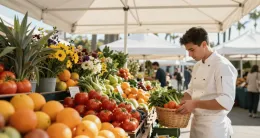
From crisp carrots and sturdy greens to bright citrus and hearty squash, February’s seasonal produce offers flexibility in the kitchen. Peak ingredients include broccoli, kale, lemons, cabbage and cauliflower.
With guidance from ICE Chef-Instructors, familiar vegetables become the foundation for comforting winter dishes and easy, low-to-no cook meals.
Below are six produce items in markets now, plus practical tips for prepping and storing them.
Broccoli
- LA: Year-round
- NY: October–April
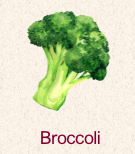
Broccoli brings both flavor and flexibility to winter cooking. When prepped thoughtfully, the entire vegetable can be put to good use — tender florets and sturdy stems alike.
“Save those stems — they’re delicious,” says Health-Centered Culinary Arts Chef-Instructor Emilie Symons. She recommends peeling and chopping them for stir-fries or using them to make creamy broccoli soup, especially in colder months. (This recipe for Cream of Stem Soup uses broccoli and cauliflower stems.)
For the florets, Chef Emilie prefers blanching and shocking to lock in color and nutrients before adding them to pastas and simple vegetable recipes.
Cabbage
- LA: Year-round
- NY: October–February
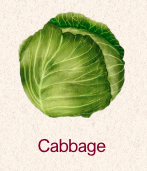
Cabbage is a cool-weather vegetable with tightly packed leaves that range from pale green to deep purple. Its mild, slightly peppery flavor makes it well-suited to both raw and cooked preparations.
“All cabbages sweeten as they cook,” says ICE Chef-Instructor and Director of Nutrition Celine Beitchman. She recommends slicing sturdier red or green cabbage for slaws and salads, and blanching and stuffing the leaves for baked dishes. Lighter varieties, like Savoy and Napa cabbage, can be roughly chopped and sautéed or added to soups just before serving.
For a fresh, no-cook option, try this Simple Cabbage & Beet Salad, which delivers big flavor in just a few steps.
Carrots
- LA: Year-round
- NY: July–March
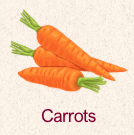
Prized for their versatility, vibrant color and natural sweetness, carrots are a kitchen workhorse that can be grilled, glazed, roasted, steamed and braised.
Looking for something lighter on cooking? Try Fermented Moroccan Carrots, flavored with cinnamon, harissa and cumin — a crunchy, bright addition to grain bowls and sandwiches.
To peel carrots, Chef Emilie recommends a Y-shaped peeler. She teaches students to brace the carrot tip against the cutting board for better leverage and control. “It makes peeling faster while keeping the process safe and efficient,” she explains.

Because carrots are a staple ingredient in soups, students in ICE’s career-training programs use them to practice knife skills like julienne; small, medium and large dice; and oblique cut. Watch Senior Chef-Instructor Stephen Chavez demonstrate these skills in the video below.
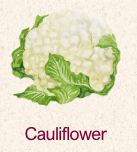
Cauliflower
- LA: Year-round
- NY: September–March
Cauliflower is a member of the cabbage family with tightly clustered florets and a mild, slightly sweet flavor. While most commonly white, it also appears in orange, purple and green varieties.
“Cauliflower’s sweet, buttery profile takes well to almost any cooking method,” says Chef Celine. It can be roasted, sautéed, riced, mashed, puréed into soups or cooked whole for an entrée-worthy dish that absorbs bold seasoning.
Make this savory Miso Sesame Roasted Cauliflower with just 10 ingredients and a few pantry staples.
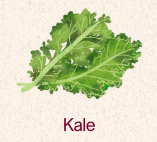
Kale
- LA: Year-round
- NY: October–April
Kale is a cold-weather leafy green known for its sturdy texture and deep, earthy flavor. Varieties range from curly green and red Russian to dark lacinato and tender baby kale, each lending itself to different cooking methods. (This Kale Salad with Black Garlic Fermented Bean Sauce, Scallions & Crushed Peanuts uses the curly green variety.)
Delicate baby kale can be quickly sautéed or tossed raw into salads, while thicker leaves are ideal for seasoning and dehydrating into crunchy kale chips — a technique explored in ICE’s Health-Centered Culinary Arts program, which emphasizes plant-forward cooking.
“Hearty winter kale is best stewed or braised, or blanched first and then sautéed to make its tougher leaves sweet and easy to eat,” says Chef Celine.

Lemons
- LA: Year-round
- NY: December–April
Bright and aromatic, lemons add balance and depth through their juice and zest. They’re a staple across cuisines and one of the easiest ways to lift a dish.
“Preserved lemons are really expensive, but they’re actually easy and inexpensive to make at home,” says Chef Emilie. To do so, she quarters the lemons, packs them in salt and lets them break down before adding them to salad dressings or Moroccan-style vegetable dishes.

Use her technique to make Preserved Harissa Lemon Zucchini Ribbons with Fresh Stracciatella, where citrus adds savory depth and brightness.
Chef Emilie also freezes lemon zest for easy use. “It’s a great way to use the whole lemon,” she says. Get tips for zesting the peel without the pith in the video below.
Whether you’re planning weeknight meals or experimenting with new techniques, February’s produce proves that winter cooking can be as vibrant and satisfying as any other season.
Request more info about ICE’s Health-Centered Culinary Arts program here.