
Sauce-Making 102: How to Make a Pan Sauce to Pair with Any Protein

There are so many techniques for layering flavor into sauces — and so many sauces that result from these techniques. One of these is emulsions (which was the subject of our first sauce-making lesson). Another is pan sauce, which is today’s lesson. Though their steps and outcomes vary, both require skill and knowledge of key culinary concepts: fond, deglazing, and reduction.
In the traditional French kitchen brigade, the saucier is responsible for sauces, stocks, and in some cases, sauteed items. According to ICE Lead Recreational Chef Samantha Landwehr, it’s a role that requires a high level of technical skill, which explains why it sits directly beneath the executive and sous chefs.
Making chicken pan sauce requires three steps: 1) creating fond; 2) deglazing your pan (to add your fond to your sauce); and 3) reducing your sauce (to refine its flavor and texture).
ICE students study and practice all three of these techniques in the school’s Culinary Arts and Health-Centered Culinary Arts programs. (Yes, pan sauces can accompany cooked vegetables as well as proteins!)
Building Flavor in Pan Sauces Starts with Fond
Making a pan sauce starts with fond. Fond is the browned bits that remain on the bottom of your pan after cooking. Its concentrated, rich umami flavor is the base for pan sauces.
“Creating fond requires high heat to initiate the Maillard reaction,” explains Chef Sam. The Maillard reaction occurs when proteins are seared at high heat, transforming the food’s flavors, aromas and color into something that makes our mouths water. (Think about how an uncooked hamburger patty browns when cooked.)
The first step toward achieving the fond for your chicken pan sauce is ensuring your meat is correctly seared.
How to Avoid Burning Fond
Burnt fond is a common problem for home cooks. Chef Sam’s advice?
“Sear the first side of the chicken over high heat until golden brown, then flip the meat and lower the heat to medium. This way, the fond stays caramelized instead of burnt.”
Avoid using burnt fond as the basis for the sauce because its bitter flavor will carry through to the finished product.
Incorporating Fond into the Sauce via Deglazing
When your chicken is seared and there are golden brown, caramelized bits crusted onto the bottom of the pan, resist the urge to throw the “dirty” pan into the sink.
Why? Because fond equals flavor. Step two is adding it to your sauce by deglazing.
“Deglazing forces the fond off the pan and into the sauce. To do this, “add a semi-acidic liquid (in this case, white wine) to the pan and agitate by stirring and scraping over heat,” instructs Chef Sam. Doing this releases the fond from the pan and incorporates its flavor bombs into the sauce.
Refining a Sauce’s Flavor and Texture with Reduction
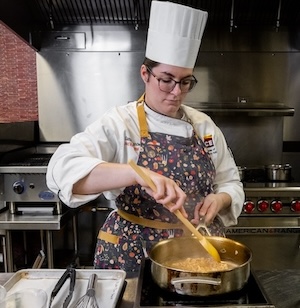
The final step in making a pan sauce is reduction. Reducing the sauce, which is achieved by simmering, concentrates flavor and adjusts the texture.
“This pan sauce doesn’t contain a thickening agent, like cornstarch or flour, so it’s important to be patient and allow it to reduce properly to achieve the desired mouthfeel and flavor,” explains Chef Sam.
In the below recipe, chicken stock and heavy cream are added separately and reduced by half in two steps. It’s this one-two-punch of addition then subtraction, says Chef Sam, that gives you control over the reduction.
As soon as the heavy cream has been reduced, turn off the heat to prevent additional reduction before adding the butter. In addition to building flavor, butter creates a velvety mouthfeel in the sauce.
Adding this Pan Sauce to Your Culinary Repertoire
Per Chef Sam, understanding the technique for making pan sauce is a valuable skill because the recipe can be adapted to suit almost any dish.
When changing your protein or cooking vegetables, simply adjust the stock to match. Swap the ingredients to your preference: regular onion for shallot or balsamic vinegar instead of white wine, suggests Chef Sam.
“This is why I love cooking. Once you know the formula and technique, you can play with the ingredients,” she says.
Practice making pan sauces, and when you’re comfortable with the techniques, try the third and final sauce recipe of this series.
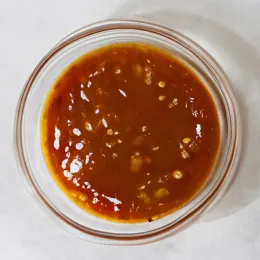
Ingredients
- 4 tablespoons butter, cubed and divided in half
- 2 shallots, sliced
- ½ cup white wine
- 1 cup chicken stock
- ½ cup heavy cream
- 2 tablespoons tarragon, chopped
- Salt and pepper, to taste
Directions
- Using the same pan the chicken was seared in, dispose of excess cooking oil, ensuring fond remains.
- Over medium heat, add half the butter. Once melted, stir in shallots and cook until they begin to color and caramelize.
- Carefully add wine to deglaze. (The wine may ignite; if it does, wait for the flame to dissolve before continuing.)
- Using a spoon or spatula, scrape fond from bottom of pan into sauce.
- Stir in chicken stock and reduce by half.
- Add heavy cream and reduce by half.
- Once sauce has thickened to the consistency of heavy cream, remove pan from heat. Stir in tarragon and remaining butter.
- Adjust seasoning to taste with salt and pepper.
A Note From Our Chef
This recipe does not include the actual cooking of the chicken, but it begins using the same pan the protein was seared in, as the fond is essential.