


Growing up in an Indian household, I thought my mom had the most extensive collection of spices. However, walking around a grocery store today is even more overwhelming. There’s so much to choose from — and so much that’s unknown. Should I buy in bulk? Is buying ground or whole better (and more affordable)? Do spices go bad? What is a spice?
Take a deep breath. There are actually tips to buying and utilizing spices — and they rest on knowing what you're working with. In fact, these are among the first things we teach our Career Culinary Arts students, as well as students in our Pastry & Baking Arts and Health-Centered Culinary Arts programs.
To that end, ICE is hosting a special "Stories & Spice Blends" event next week — Friday, November 21, to be precise — where you'll learn about single origin spices from Ethan Frisch, co-founder of Burlap & Barrel. (The event includes a tasting and "make-and-take home" your own custom spice blend activity.)
Before that, however, here are five tips for getting started on your spice sourcing and storing journey.
1. Spices are dried parts of plants and are great for your health!
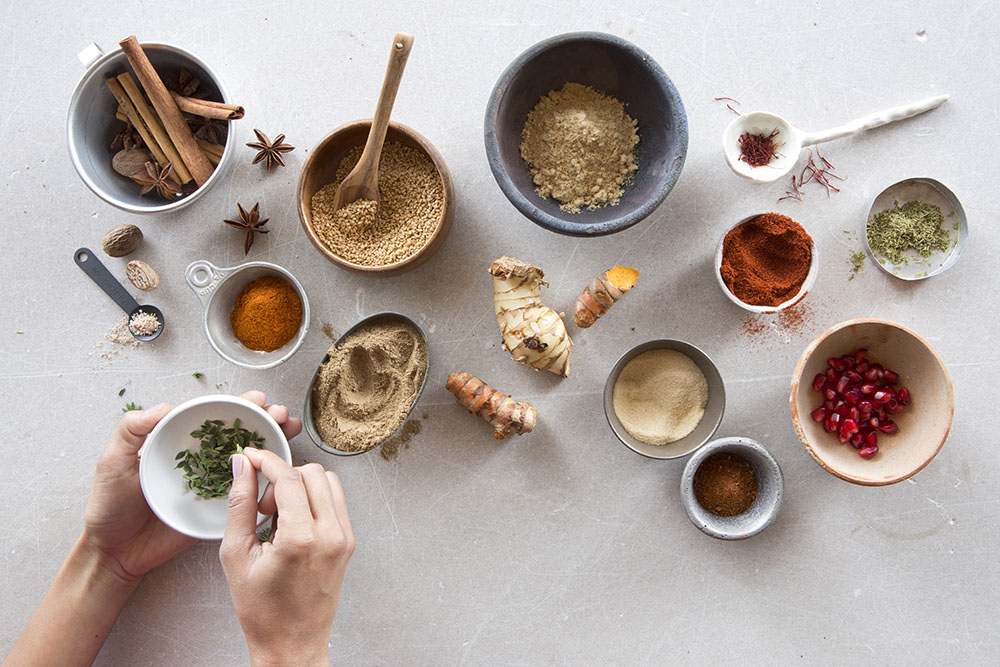
That’s right. All spices are produced from parts of a plant other than the leaves. For example, cinnamon comes from the bark of a tree. Allspice is a dried berry. Cardamom is a seed. Cloves are dried flowers. And so on.
Spices enhance the flavors of food, but not all spices are sources of heat.
Most spices contain numerous antioxidants that promote long-term wellness like improving gut health, lowering blood sugar, strengthening brain and memory function, and more.
2. Whole > Ground
When possible, purchase whole spices — like black peppercorns or cumin seeds — and grind them as needed. Why? Whole spices stay fresher longer. Grinding them on an as-needed basis ensures full flavor and the maximum antioxidant potency. You can grind your spices the traditional way with a mortar and pestle or use a spice grinder. (Even a coffee grinder works!)
Pre-ground spices often contain additives or contaminants, which according to the FDA, are not required to be disclosed by suppliers.
3. Avoid grocery stores and “gourmet” shops.
Spices typically have a shelf life of no more than six months. Chances are, the spices you purchase at the grocery store (especially if you’re buying ground spices) are stale. It’s always best to go to an ethnic market or a local spice merchant.
If you’re not completely confident about purchasing from one of the above specialty shops, some of my favorite (and reputable) go-to in New York is Kalustyan’s. You can also order online from Burlap & Barrel.
4. Buy only what you need.
I love a good bulk deal as much as anyone, but spices do go stale, especially if they’re of good quality. Because fresh spices are very pungent, a little goes a long way — which means you're not likely to use up all those bulk spices before they lose steam.
5. Store with care — NOT near your stove!
Nothing sucks the life out of fresh spices faster than heat and moisture. Rather than storing them in a cabinet near your stove or directly above your stove, opt for a dark and relatively cool, dry space.
When storing your spices, be aware of the "best by" dates. If there isn’t one labeled, a good rule of thumb is two years for whole spices and one year for ground spices (from the date of purchase).
Learn more about spices (and make your own blend) in our recreational classes or at our upcoming make-your-own-spice-blend special event.

