
From Student to Video Set: A Food Stylist and Producer’s Fast-Tracked Career
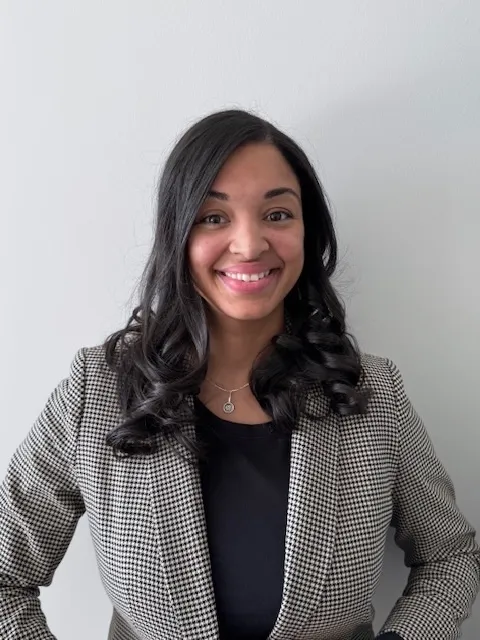
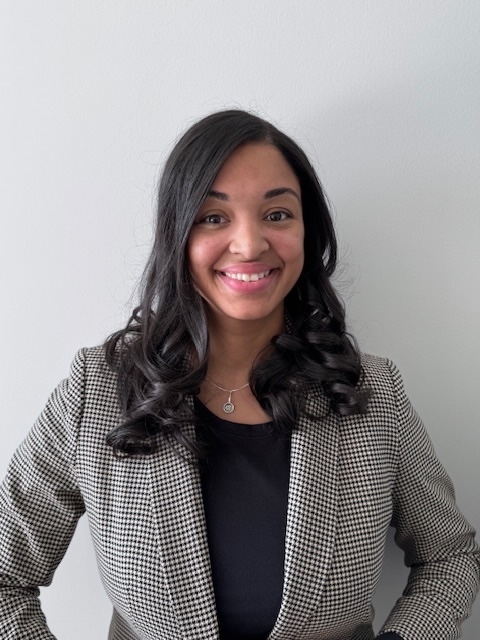
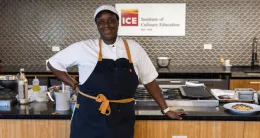
When Leslie Garetto returned to the Institute of Culinary Education in advance of an upcoming video shoot, it was for a crash course in bean-to-bar chocolate making.
An ICE alum and culinary producer, Garetto works behind the scenes on high-level food productions, shaping the food content millions of viewers consume online.
Among her clients is YouTube creator Nick DiGiovanni, whose videos command millions of monthly views. Her work has also appeared across major food media platforms including Delish, Bon Appétit and TODAY Food, where culinary and pastry arts are afforded the same deference as any other form of visual storytelling.
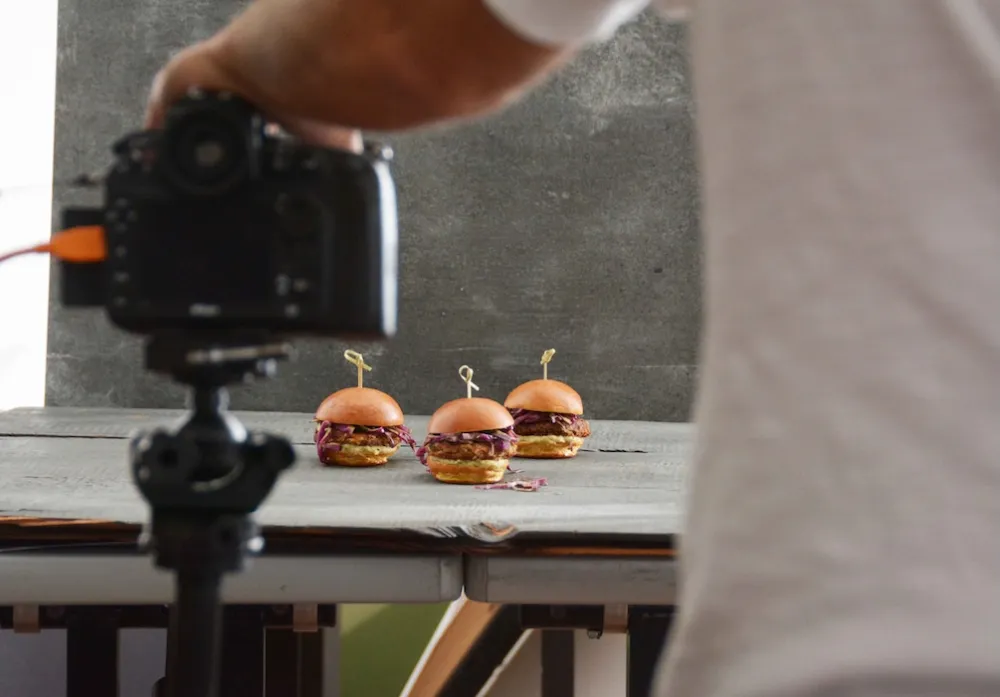
Garetto develops recipes, prepares kitchens, styles food and ensures every shoot runs smoothly. “It’s not someone shooting something on their iPhone anymore,” she says. “It’s camera teams, directors of production and full studios.”
🎬 The Food Media Careers You Don’t See on Camera
Culinary producers rarely appear on screen, but they shape nearly every polished food shoot. Garetto compares the role to music production.
“Think about Taylor Swift,” she says. “She has songwriters and producers behind her making sure she’s prepared to execute. Food media works the same way now.”
“Think about Taylor Swift. She has songwriters and producers behind her making sure she’s prepared to execute. Food media works the same way now.”
That preparation is exacting. On large shoots, Garetto's team builds full prep kitchens, organizes ingredients through detailed tray systems and anticipates every technical need, from boiling water to the right spatula for each recipe.
“Food is produced just like people are produced,” she says. “My job is to tell a story through food that food can’t tell on its own.” The shift reflects how dramatically food media has changed. What once was informal now rivals commercial shoots. “YouTube isn’t a mom-and-pop operation anymore,” Garetto says. “This is precision — at scale.”
Garetto did not begin her career in food. She started in crisis public relations, but at 27, left to pursue food professionally. “Food became cathartic for me,” she says. “I wanted work that brought peace, even before it brought stability.”
When she decided to change careers, culinary school offered a faster path than learning “on the job.”
“I didn’t want to spend years working my way up a [restaurant kitchen’s] line,” she says. “I wanted credentials that would move me forward.”
ICE stood out for two reasons: pace and foundation. As a career changer, she was looking for an accelerated path that didn't compromise technical depth.
Location mattered too. “New York sets the standard,” Garetto says. “You learn faster here because you’re surrounded by people who define the industry.”
Faculty mentorship sealed the decision. Before enrolling, Garetto met with instructors and sat in on classes. “The chefs were invested,” she says. “When I said I wanted to work in food media, no one dismissed it. The response was, ‘Let’s figure out how.’”
🎓 From Classroom to Video Set
That support translated into opportunity. Shortly after completing her externship, Garetto responded to a posting on ICE’s job board seeking extra hands for a Thanksgiving Day food segment at The Today Show. “It felt enormous,” she says. “But the people I met that day changed everything.”
From there, her career accelerated. She worked with Martha Stewart’s team, moved into food media at Condé Nast and later took on private chef roles for high-profile clients like Hugh Jackman. Each step sharpened her ability to combine culinary skill with storytelling, precision and production awareness.
📈 Building Something Sustainable
Today, Garetto runs a culinary production company focused on editorial, commercial and digital food content. In addition to producing and styling, she works as on-camera talent when projects call for it — watch her demonstrate how to make ratatouille in the video below.
Her focus extends beyond individual shoots. “I want to create stability,” she says. Her long-term goal is to develop more sustainable, salaried roles within the culinary industry.
Asked what advice she gives aspiring food professionals, Garetto stresses adaptability. “Food is fluid,” she says. “Stay true to yourself, but adjust to the culture around you. Find where you do your best work.”
Her career reflects that approach. While she once imagined herself solely as on-camera talent, she recognized producing as her strongest skill. It allows her to shape stories at scale while supporting the teams behind them.
🍽️ A Modern Culinary Career
Garetto’s path reflects what a modern culinary education can unlock. In her telling, ICE helped her move quickly, connect to the culinary world and stand out in a competitive media landscape. Most importantly, it gave her options.
For students exploring food careers today, her story offers a clear takeaway: working in food does not mean following one path. Some of the most influential roles happen just outside the frame.
* Experience varies by student, with outcomes contingent on factors including graduate aptitude, job market, place of residence and work history, among others.