

How To Choose the Right Flour for Bread Baking: A Comprehensive Guide


You don’t need to be a professional baker to know that the half-used, year-old flour in the back of your pantry is not the best choice for a fresh loaf.
At the grocery store, bakers typically choose from white flour, whole wheat flour and alternative grain flours — but selecting the right one isn't always straightforward.
Different flours contain varying levels of protein, which affect gluten development, structure and texture in bread. Understanding these differences can help you choose the best flour for the type of bread you want to bake.
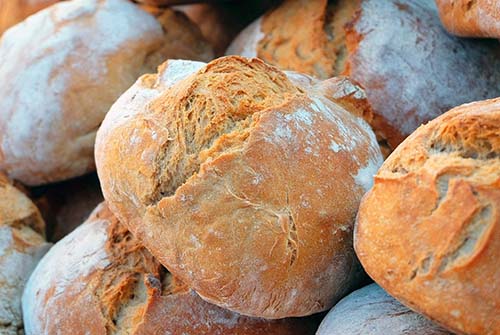
To choose the best flour, it helps to understand how bread develops structure and rise. Structure comes from protein — specifically gluten — which forms when four is mixed and kneaded.
“A great loaf depends on proper structure from high-protein flour,” says Stephen Chavez, Senior ICE Chef-Instructor located in Los Angeles.
“Gluten traps the carbon dioxide produced during fermentation — that's what gives bread its rise,” adds Jürgen David, ICE’s Director of Pastry Research & Development. “That is what gives bread its rise.”
The flour you choose plays a major role in gluten development, ultimately affecting a loaf's structure and texure.
What Makes Bread Flour Different?
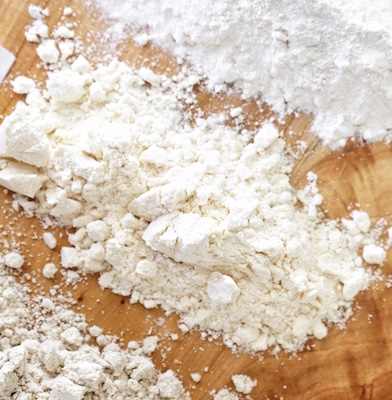
The biggest difference between bread flour and other flours is protein content. Most crusty breads require flour with a higher protein percentage.
“For recipes like cookie dough or cake batters, lower protein helps keep the texture tender,” Chef Jürgen explains.
Different wheat flours contain different levels of protein.
Bread flour typically contains around 14-15% protein , while all-purpose flour ranges from about 10-12%. Pastry and cake flours are lower, creating softer, more tender results.
Protein contributes to structure, while starch contributes to tenderness.
“Bread flour is higher in protein, while pastry and cake flours contain more starch and less protein,” Chef Stephen explains.
Can You Use All-Purpose Flour for Bread Baking?
All-purpose flour is designed to be versatile for home kitchens.
“It allows home cooks to use one flour for breads, cakes and cookie,” says Chef Stephen.
Because ti contains a moderate amount of protein, all-purpose flour can work for some recipes.
Learn more about artisan bread baking at ICE
“Look for flours with higher protein — around 12-13% — fro better bread results,” Chef Jürgen advises.
All-purpose flour works especially well for enriched breads like soft rolls or brioche.
Is Whole Wheat Flour Good for Bread Baking?
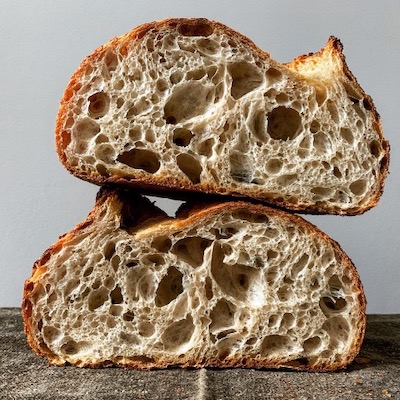
Whole wheat flour behaves differently from refined flours and requires a slightly different approach.
“Whole wheat flour contains both the bran and germ, which are removed by sifting for flour that is not whole wheat,” says Chef Jürgen.
Whole wheat is often blended with white flour to improve texture.
“It can be used effectively in most breads, but typical works best below 70% of total flour,” says Chef Stephen.
Using too much whole wheat without adjusting hydration can result in dense, heavy bread.
Are Alternative Flours Good For Bread Baking?
Alternative flours like spelt and rye can be used in bread baking and add unique flavor and texture.
“They're nutrient rich and bring distinct flavor profiles,” says Chef Jürgen.
However, they come with limitations. Unlike wheat flour, alternative flours contain less gluten, which affects structure.
“Wheat flour is unique in its high gluten content, which is essential for structure in traditional bread,” Chef Stephen explains.
For best results, alternative flours are often combined with wheat flour.
“Spelt and rye flours work well in moderation alongside white flour,” Chef Stephen adds.
Spelt and rye are both great additions to bread recipes, but they're typically used in combination with wheat flour to maintain structure.
Transform flour and water into a professional career with ICE’s Pastry & Baking Arts program.