


As summer winds down, farmers markets overflow with peaches, tomatoes, berries, cucumbers and other seasonal favorites. While those flavors may be fleeting, preserving fresh produce allows you to enjoy the harvest well beyond the growing season.
From jams and pickles to fruit preserves and relishes, home canning is one of the oldest — and most rewarding — ways to reduce food waste and capture peak-season flavor. Whether you're preserving a garden harvest or stocking your pantry with farmers market finds, understanding the basics of safe food preservation is the first step.
The History of Home Canning
Long before refrigeration, people preserved food through drying, curing, fermentation, pickling and salting.
Modern canning began in the early 1800s when French confectioner Nicolas Appert developed a method for preserving food by sealing it in glass containers and heating them to prevent spoilage. His work, inspired by Napoleon's search for reliable food preservation for the French military, laid the foundation for modern home canning.
Scientists later discovered why the process works, thanks to Louis Pasteur's research on microorganisms. In the late 1850s, John Landis Mason introduced the threaded glass Mason jar with a reusable lid system, making home canning more practical than ever.
Today, home canners rely on tested recipes and modern equipment to safely preserve everything from fruit jams to pickled vegetables.
🐛 Discover our indoor farm by enrolling in our Health-Centered Culinary Arts program and watch the video below to see how students harvest fresh, pesticide-free produce for year-round preservation recipes.
Preserve Peak-Season Produce
One visit to Brooklyn's Grand Army Plaza Greenmarket inspired Chef Jenny McCoy to stock up on late-summer produce from Phillips Farms. Her haul included:
- Blackberries
- Blueberries
- White nectarines
- Pluots
- Jersey peaches
- Kirby cucumbers
- Serrano chiles
- Jalapeños
- Tomatoes
After sharing the bounty with a neighbor, an afternoon of canning produced a pantry full of sweet and savory preserves, including:
- Blueberry-thyme jam
- Blackberry jelly
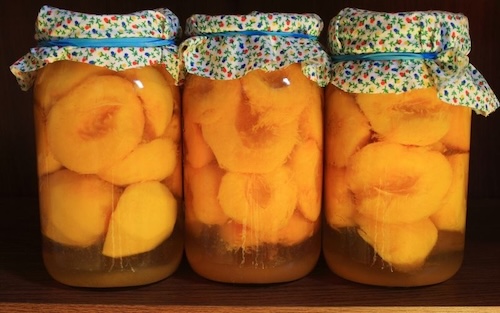
- Peach preserves with lemon and vanilla bean
- Nectarine-coriander mostarda
- Tomato-peach salsa
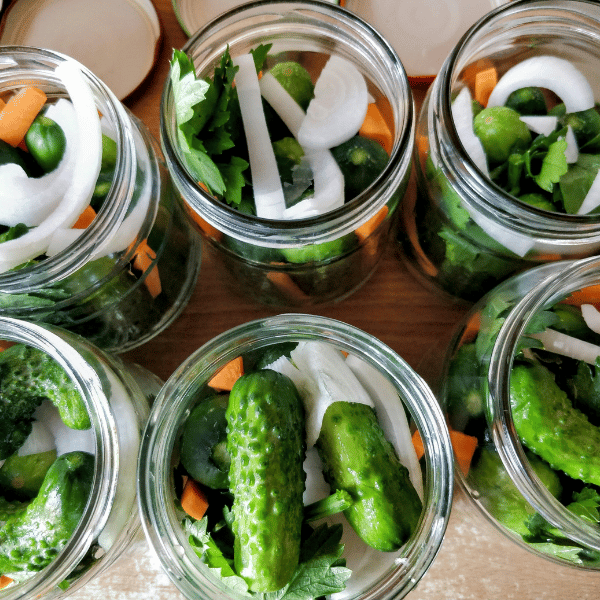
- Garlic dill pickles
- Bread and butter pickles
- Pickled peppers
The result? A delicious reminder of summer that can be enjoyed for months to come.
What Foods Can You Preserve?
Home canning is a versatile technique that works for a wide variety of seasonal ingredients. Depending on the recipe and preservation method, you can safely preserve:
- Fruit jams and jellies
- Whole fruit preserves
- Pickled vegetables
- Tomato sauces and salsa
- Chutneys and relishes
- Fruit butters
- Pepper preserves
Following tested recipes helps ensure both quality and food safety.
Practice Safe Home Canning
Successful home canning depends on following current, science-based food preservation guidelines. Processing method and time vary depending on the acidity of the food being preserved, so always use tested recipes and approved canning methods.
Before getting started, consult these trusted resources:
- CDC: Home Canning and Botulism
- National Center for Home Food Preservation
- USDA Complete Guide to Home Canning
With the right techniques, you can safely preserve the flavors of summer while stocking your pantry with homemade jams, pickles and preserves to enjoy all year long.
🥬 Ready to cook with purpose? Explore your potential and enroll in our Health-Centered Culinary Arts program today.