

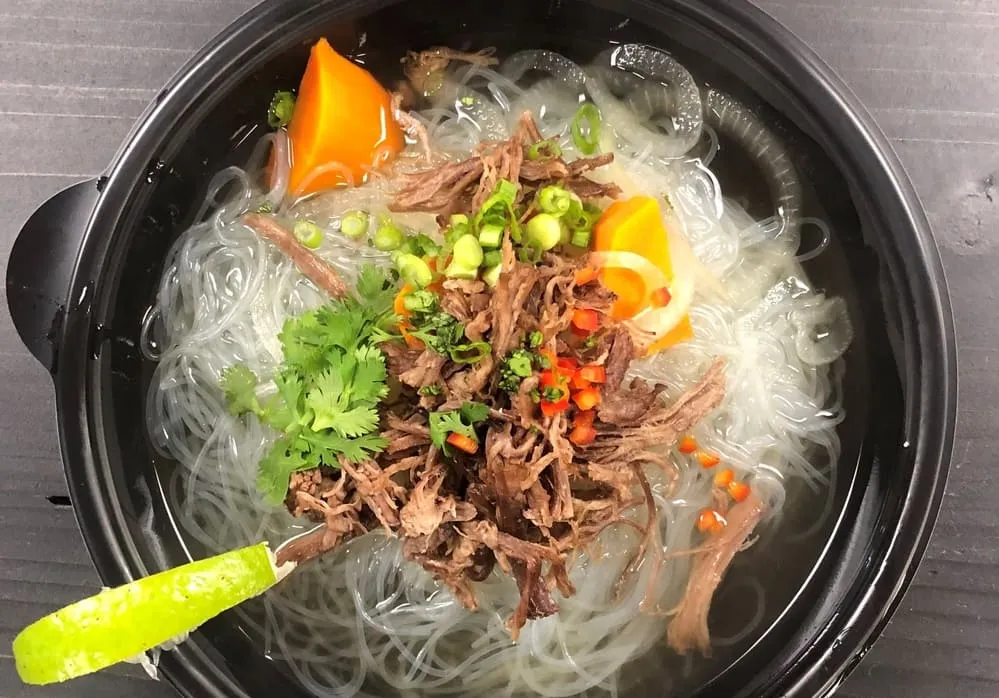
Pho, the iconic Vietnamese noodle soup known for its rich broth, tender meat, and fresh herbs, is beloved by people around the world. But what exactly is pho, and how did it become such an integral part of Vietnamese cuisine?
Pho’s history is a tale of colonial influences, regional adaptations and modern appreciation. What began as a humble dish in northern Vietnam has evolved into a global phenomenon.
The story of pho begins in the early 20th century in Hanoi, northern Vietnam. At the time, Vietnam was under French colonial rule (after France obtained control of Vietnam following its victory against China in the Sino-French War). French colonial rule significantly altered the culture of Vietnam — including its culinary landscape — and even after Vietnam declared independence in 1945, French culinary influences remained deeply rooted in the country’s cuisine.
One of the most substantial French influences was the introduction of beef. Before colonial rule, Vietnamese farmers used cattle for labor (versus as a food source), and traditional Vietnamese cuisine relied heavily on rice and vegetables. When proteins were consumed, they comprised fish, chicken and pork.
The French, however, had a taste for beef, and this preference gradually made its way into Vietnamese cooking. This led to simmering bones and meat to create rich, savory beef broths, which eventually produced the classic pho broth now considered a staple within Vietnamese cuisine.
Although some epicurean scholars claim that the name “pho” is derived from the French dish “pot-au-feu”, which means “pot on the fire”, others suggest it comes from the Cantonese word “luc pho," which is an abbreviated form of “nguu nhuc phan” or “beef and rice noodles.” Either way, pho quickly became a beloved dish in northern Vietnam, and soon spread within and beyond its borders.
The Heart and Soul of Pho
At the core of all great pho is an exceptional broth. Traditional pho broth is made by simmering roasted beef bones for several hours alongside spices like star anise, cinnamon, cloves, cardamom and coriander seeds. Purists recommend using knuckle, leg and neck bones because they are packed with collagen and marrow, both of which enhance the broth’s flavor and aroma.
Exceptional taste, however, wasn’t the original reason these bones were selected for use. Vietnamese street vendors, who are often credited with popularizing pho, were simply utilizing what was discarded by their suppliers, many of whom were French butchers.
Although pho can and has been made with higher quality cuts of meat, cooking with these previously so-called “scrap bones” is today viewed through a new lens — specifically, wasting less and extracting savory flavors from unique sources, both of which are key features in traditional and modern Vietnamese cuisine.
After the broth has been simmered and strained, optional classic Vietnamese ingredients like rock sugar, lemongrass, fish sauce and more are added.
The noodles used in pho are typically flat, wide rice noodles known as “banh pho.” These noodles are soft and slippery, with a high starch content and neutral flavor that make the noodles perfect for soaking up the flavors of the broth. They also add a unique texture to the dish, contrasting beautifully with the tender meat and crunchy, fresh garnishes.
Just as the use of beef originated from French colonial influence, the use of banh pho is believed to be the result of Chinese influence. During the Western Han dynasty, numerous Chinese immigrants established residence in Vietnam. These immigrants brought their culinary culture with them, including ho fun noodles — a type of rice noodle that proliferated and evolved into what is now known as banh pho. (Eventually, Vietnamese cooks expanded beyond flat, wide rice noodles, and developed a variety of noodle shapes, sizes and textures. This led to other Vietnamese noodle dishes such as bun rieu, bun bo hue, hu tieu and more.)
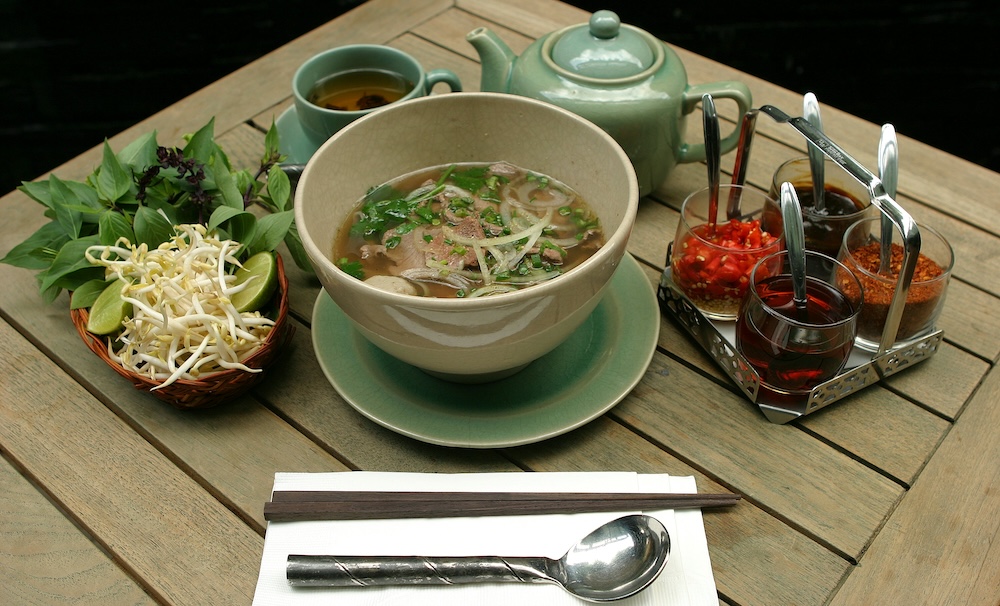
No bowl of pho is complete without garnishes, which act as bright, refreshing ballast to its rich, savory broth. Fresh herbs like Thai basil, cilantro, red onion and culantro (also known as sawtooth coriander) add zing and aroma. Bean sprouts, lime wedges and sliced chili peppers provide crunch, acidity and heat. Hoisin sauce and sriracha are commonly served on the side, allowing diners to season their soup to their liking.
North vs South
As pho gained popularity and spread southward, distinct regional variations reflecting local tastes and preferences emerged. The two primary styles of traditional pho are Northern Pho (Pho Bac) and Southern Pho (Pho Nam).
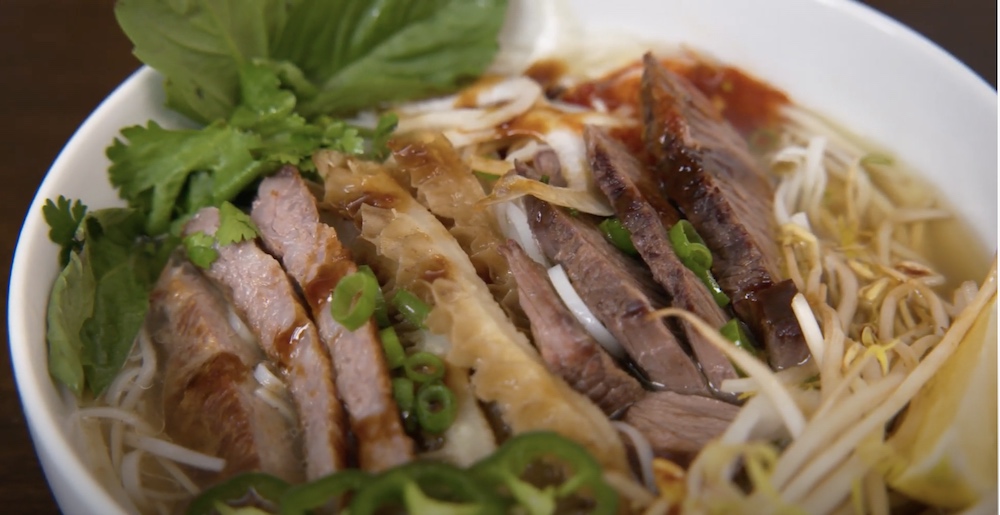
Arguably the original version of pho, Northern Pho is known for its clear, light broth and minimal garnishes. Its focus is on the pure flavor of the beef, with fewer spices and a cleaner taste. The simmering process of the bone broth requires attentive skimming of impurities over time (thus the lucent broth). Northern Pho noodles are typically thinner and firmer than their southern counterparts, and the bowl’s garnishes are simple, often just green onions and cilantro.
Southern Pho, by contrast, is sweeter and richer, often due to the addition of rock sugar and more aromatic spices. Its noodles are wider and softer, and the dish itself is served with an array of herbs, garnishes and seasoning sauces. The latter — which makes it highly customizable and therefore, easier to introduce to beginner palates — is the most recognizable pho outside of Vietnam.
Pho Beyond Borders
Once a humble noodle soup enjoyed primarily as a breakfast dish in Northern Vietnam, pho proliferated beyond Vietnamese borders and adapted to new environments and tastes. Today, it’s enjoyed in Vietnamese restaurants around the world, at any time of day, and has inspired countless variations.
The Vietnam War and subsequent diaspora in the 1970s and 1980s played a significant role in spreading pho internationally. Soldiers stationed in Vietnam were introduced to the local cuisine and often brought their love of pho home. In 1975, the fall of Saigon turned thousands of Vietnamese citizens into refugees. Those who fled took their culinary traditions with them — to places like the United States, Australia, France and Canada, where pho quickly gained a following.
But as with all immigrant foods, Vietnamese pho was changed and altered by its travels. Examples of changes to traditional pho are the use of jalapeños and poached eggs in the U.S., as well as a preference for white meat chicken over beef or pork.
Today, pho is widely recognized and embraced by diverse communities all over the world. Hailed both as a traditional staple of Vietnamese cuisine and a vessel for unique cross-cultural fusions, pho continues to be a star on the culinary stage.

