
In Boston, Chef-Restaurateur Rebecca Roth Gullo Is Reshaping the Culinary Landscape

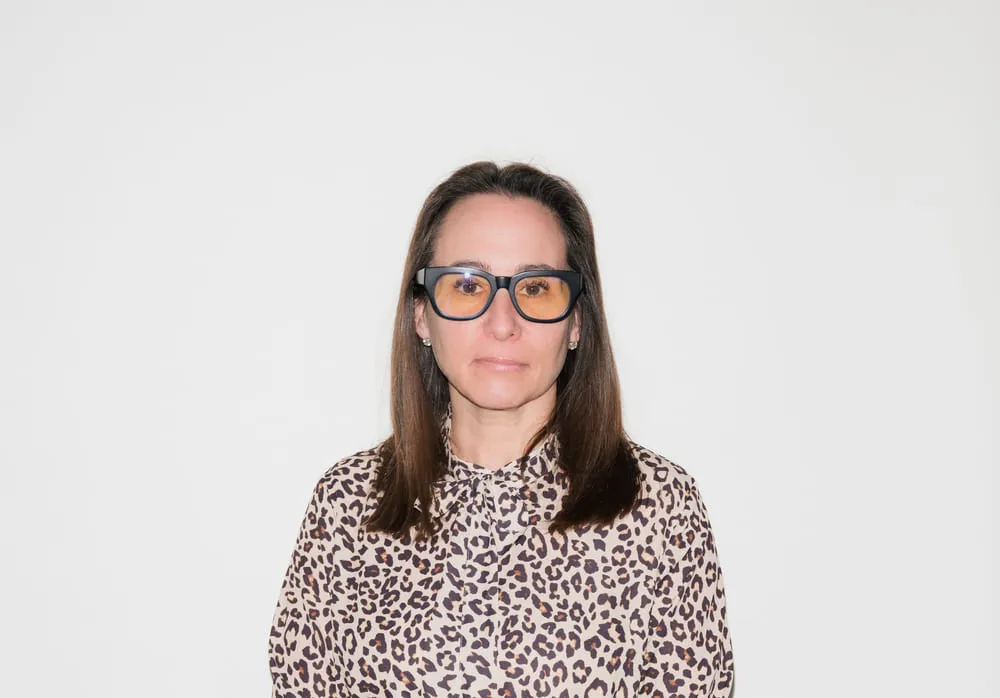
To celebrate 50 years of ICE, we're honoring 50 distinguished ICE alumni. Meet Chef Rebecca Roth Gullo, CEO of The Gallows Group in Boston.
Most chefs dream of owning a cozy neighborhood spot that serves good, uncomplicated food to a community of enthusiastic regulars. For Institute of Culinary Education alum Rebecca Roth Gullo, that dream is a reality.
Roth Gullo is the owner and CEO of The Gallows Group, which operates four beloved neighborhood institutions across Boston — Banyan Bar + Refuge; seven Blackbird Doughnuts’ locations (plus a commissary operation and an eighth location pending); three Sally’s Sandwiches’ locations (with a fourth pending); and of course, the group’s namesake The Gallows, which is currently closed but slated to reopen in 2026.
While Roth Gullo specializes in the operations side of things, attending culinary school at ICE was integral to setting her on the path to success. Here, she not only learned how to work in a professional kitchen, but more importantly, she saw what it took to be a strong, visionary leader.
Today, Roth Gullo’s restaurants are a foundational part of Boston’s culinary landscape. Not to mention, her artisanal doughnuts at Blackbird are considered to be among the best in town — not a small feat in the state that birthed Dunkin'.
We caught up with the prolific entrepreneur and asked her what it takes to build an empire from the ground up. Here's what she had to say.
* The following interview has been condensed and edited for clarity.
ICE: What do you consider your biggest professional achievements?
Rebecca Roth Gullo: Opening The Gallows in 2010 — our first concept and the soul of our group — set the tone for everything that followed. We created a space that felt bold, unpretentious, and community-rooted. From there, we built out a nimble, multi-concept group that includes Blackbird Doughnuts (now a local favorite with multiple locations), Banyan Bar + Refuge (our Asian-inspired restaurant-bar in the iconic former Hamersley’s space), and Sally’s Sandwiches.
One of my proudest accomplishments is that The Gallows Group is fully and wholly owned — no investors, no outside capital — built from the ground up with hustle, heart, and a stubborn refusal to quit.
It’s also been incredibly important to me, as a mother of two daughters, to include them in the work I do. They’ve seen the good, the bad, and the messy. They’ve learned that passion takes work; that leadership means showing up; and that being a woman in business is powerful. My career isn’t just part of my life — it’s part of the legacy I'm building, one messy, beautiful step at a time.
I’m also lucky to have a patient and supportive husband — a corporate guy, not a restaurant guy — who’s helped me think creatively about financing and growth. His belief in what I’m building has made the impossible feel possible.
ICE: To what factors do you attribute your success so far?
RRG: Grit, adaptability, intuition, and an obsession with details. We’re small but mighty, and we move fast. Staying nimble is a big part of our edge. And I genuinely love every part of the business, from dough development to lease negotiations.
ICE: When did food become something that you wanted to pursue professionally?
RRG: Before ICE, I worked in politics and public service, including for Senator Ted Kennedy and Mayor Bloomberg. But I kept finding myself drawn to food — reading cookbooks like novels, hosting elaborate dinner parties. I never intended to work in restaurants, but once I allowed myself to follow the pull, I never looked back.
ICE: What does a typical day look like for you now?
RRG: It might involve tasting new doughnut flavors, reviewing floor plans, meeting with architects, negotiating a lease, or — on the DL — running all our socials. I love the constant pivot. No day is the same. And I thrive in the balance of creative vision and strategic problem-solving.
ICE: Are there big differences between running a restaurant-bar and running a small chain of bakeries and sandwich shops?
RRG: The Gallows and Banyan are about creating immersive experiences — the music, the lighting, the menu, the feeling. Blackbird and Sally’s are more about building systems, scaling thoughtfully, and staying consistent across locations. Both are rewarding, just in different ways.
ICE: What would you say to people looking to follow a career path like yours?
RRG: Be all in. Know every part of the business — front and back of house, P&L, permitting, construction, team dynamics. The more you know, the better you can lead.
ICE: When you think of ICE, what is the first word that pops into your mind?
RRG: Foundation … It felt rigorous and real. I wanted structure and hands-on learning — ICE offered both, with people who took food seriously but weren’t intimidating.
I got the fundamentals — knife skills, time management, mise en place — which gave me a base to build from. But real-world kitchens and ownership are next-level. I learned fast that leadership isn’t just about food — it’s about people, vision, and stamina.
ICE: How do you use mentorship, which is a value that most chefs and people in the industry really care about, especially at a culinary school?
RRG: My greatest mentors have been the people I’ve worked alongside — my teams, my partners, the ones in the trenches with me. You learn the most from those moments of pressure and collaboration, not from distant figures, but from the real moments of [stress and teamwork].
I try to pass that same energy forward by being available, supportive, and honest — creating a culture where people feel seen, trusted, and pushed to grow.
ICE: Is there any single lesson that you learned at ICE that you still use in your work today?
RRG: Taste constantly. Label everything. Never skip the prep.
ICE: Do you have any advice for people who are considering culinary school?
RRG: Culinary school can’t give you passion — only you bring that. But it can give you a strong foundation and a great network. Go in hungry, stay curious.
QUICKFIRE QUESTIONS
Favorite kitchen tool?
Kunz spoon — or anything from Made In (founded by one of my besties!)
Salty or sweet?
Salty, with a sweet chaser.
Favorite food holiday?
Thanksgiving.
Favorite food city?
Los Angeles — messy, vibrant, and obsessed with food in all the right ways.
On order of preference, cook, bake, eat?
Eat, cook, bake.
Favorite cuisine?
Korean.
Go-to “easy” recipe?
I hate being told what to do — it's an issue, but it makes my cooking a lot more fun.
Go-to “wow” recipe?
My mom’s matzoh ball soup. Like none other.
Most frequently used non-pantry essential ingredient?
Lemons.
Summer, spring, fall or winter — which is your favorite food season?
Fall — cozy, rich, and bold.
* Experience varies by student, with outcomes contingent on factors including graduate aptitude, job market, place of residence and work history, among others.