
If you’ve ever read fine art or music reviews, you know that they have their own terminologies — which can strike novices as foreign if not arcane. Wine is no different.
Developing a wine tasting vocabulary is a vital aspect of wine education and an essential skill for many careers in the beverage industry.
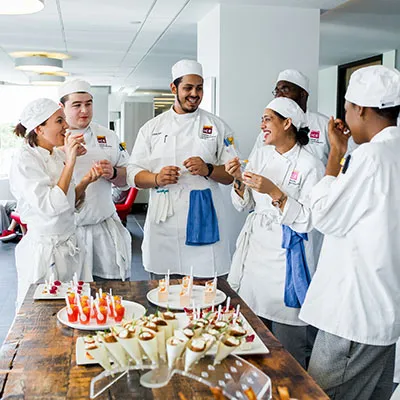
As Dean of Wine Studies at ICE, I created the Intensive Sommelier Training program to prepare students for careers in hospitality and restaurant beverage sales. The curriculum exposes students to a range of wine-related occupations, not just those in restaurants — graduates of our program have built wine brands; opened wine bars and shops; and worked in retail and wholesale.
All of these paths require fluency in the language of wine — and it’s one of the first lessons I cover in the program.
The Deductive Tasting Method
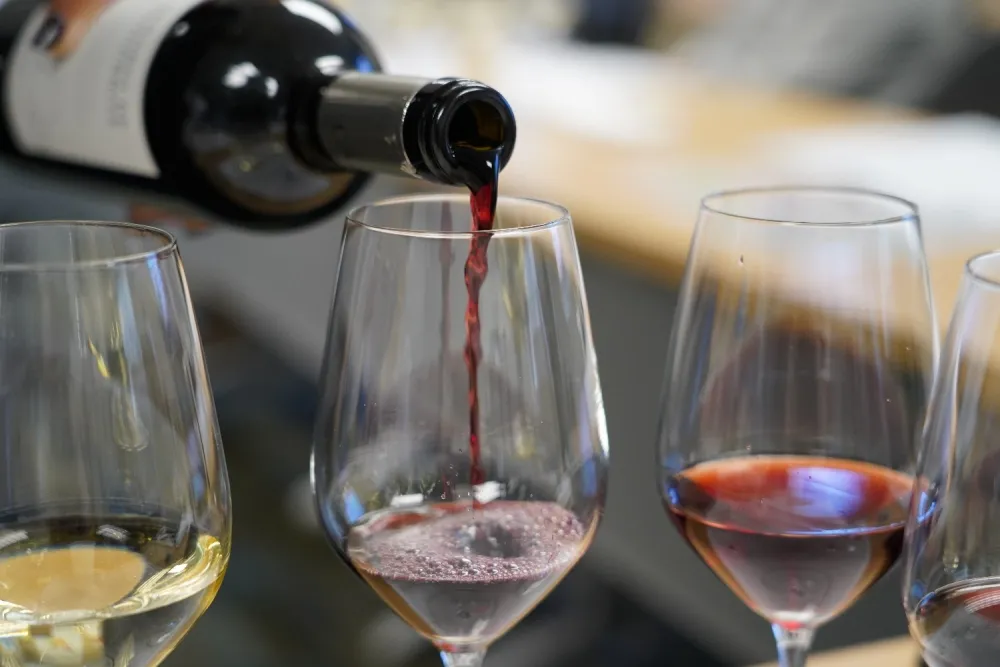
When swirling or sipping, the first hurdle is finding the words to describe what you’re experiencing.
To help students assess wine, I incorporated the Deductive Tasting Method from the Court of Master Sommeliers into the program. This approach provides a logical, structured framework for evaluating wine.
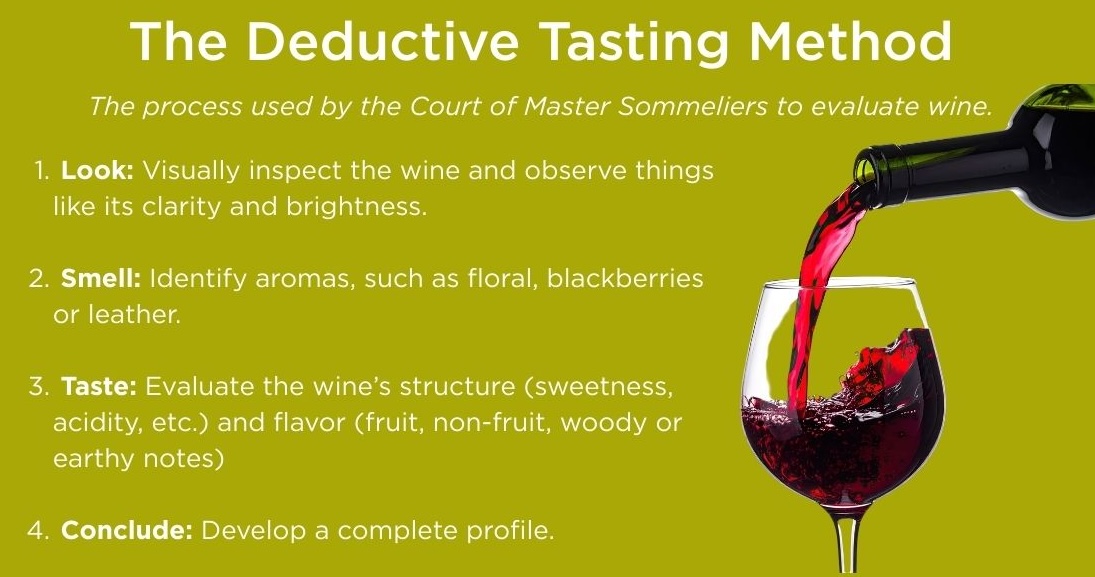
Using the above process, start with an opening visual judgment of the wine’s “cleanliness” — a contentious topic in the age of natural wine — then evaluate the presence of fruits, non-fruit aromas (herbal, for example), wood notes, fermentation smells, etc. The aromatic profile is followed by a taste to confirm or modify the impressions from smelling or "nosing" the wine.
Now, much of this analysis can be quite subjective. We’re all genetically different and from different parts of the world. We thus bring unique smell and taste experiences to our perception of wine. But by focusing and putting pen to paper, we can begin to draw a flavor sketch of the wine at hand.
My sketch of Sauvignon Blanc may look a bit different from yours, but we will arrive at the correct conclusion by virtue of the markers each of us uses to draw that picture. Grapefruit, green apple, green herbs, passion fruit, jalapeño — some configuration of these aromas and flavors informs us that we’re tasting Sauvignon Blanc.
The Aroma Wheel
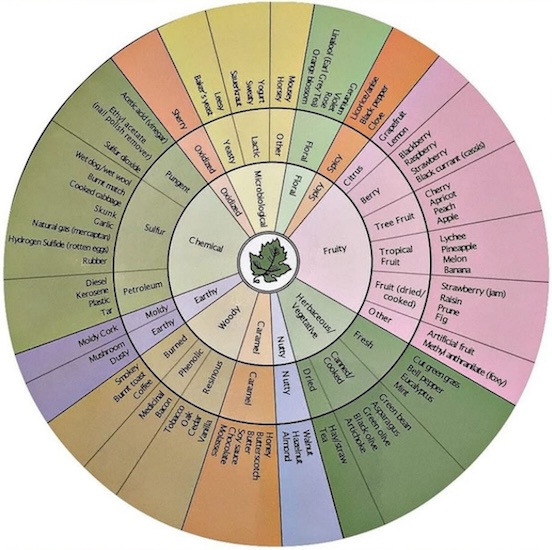
To help students develop their wine vocabulary, educators often use the aroma wheel (created by Dr. Anne C. Noble, a retired professor of viticulture and oenology at the University of California, Davis).
The aroma wheel divides the types of compounds one is likely to discover in wine and categorizes them. These smells come from fruit, fermentation or wood aging.
Wine Structure
When developing a wine vocabulary, examining a wine’s structure can help.
In this stage of the analysis, use your palate to register what is ostensibly quantifiable:
- How much residual sugar?
- How much acidity?
- How much alcohol by volume?
These evaluations are thought to be fixed numbers to which we can moor our observations.
Over the course of the Intensive Sommelier Training program, students taste over 300 wines. The goal is that, with practice, students develop the ability to conduct orderly, methodical assessments of wine and discern quality, price/value, readiness to drink and other key factors.
By studying the Deductive Tasting Method, students are taught how to discuss their sensory experiences. The indices of quality span texture; subtlety; depth of flavor; length of flavor; balance and complexity; energy or vibe, and the beauty of this miraculous liquid.
Ultimately, learning the language of wine may allow students to translate sensory experiences into conversation — one that can deepen appreciation and, in some cases, open doors throughout the beverage industry.
Thirsty for more? Watch the video below to explore ICE’s Intensive Sommelier Training program or request information here.
More by Scott Carney, Master Sommelier & Dean of Wine Studies