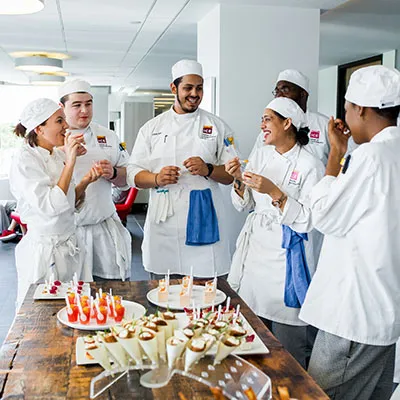


Many people wonder what to do after retiring. One idea: attend culinary school.
Mindy Rich, a former teacher in Brooklyn, New York's Canarsie neighborhood, did exactly that. After 31 years standing in front of students, she became a student herself.
“I wanted to give myself a few months [after retiring], but I sat home and thought, ‘I sit here and I just watch Law & Order all day, and I can't do this,’” Mindy said.
She'd always enjoyed cooking — a "mean chicken soup" was her specialty. Twenty years ago, when her husband's health required a change in diet, she started making "a mean tofu burger."
So, while she had a pension and could comfortably watch as much "Law and Order" as she liked, Mindy couldn't ignore the pull toward culinary school—specifically, ICE's Health-Supportive program (now Health-Centered Culinary Arts).
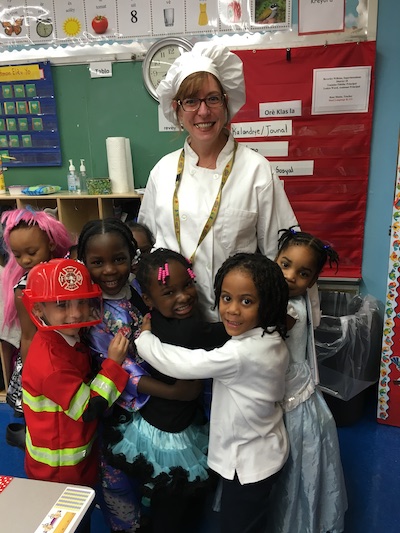
She enrolled at the school's New York campus within a month of retiring and quickly worked through a program focused on sustainability and health-based cooking. After 31 years of teaching, she was thrilled to be learning again.
“I'm just so excited to learn,” she said.
A Diverse Student Body
Students from all walks of life attend culinary school. Many have had entire careers before enrolling. Others come from the military; corporate finance; or the tech sector.
Rafael Diaz (Culinary Management, ’21) is among the latter. He worked in IT for 35 years before deciding to pursue his culinary dreams. His story is interesting, but among the Institute's diverse student body, not wholly unique.
Rafael moved to Long Island from Colombia at the age of 11. He spent his teenage years working in restaurants, and after graduating high school, went on to study IT. Culinary school, however, was always in the back of his mind — especially when his job was stressful.
At 60 years old, he decided to take the plunge and pursue a dual diploma in Restaurant & Culinary Management and Pastry & Baking Arts.
“Thirty-five years later, I realized I’m at a good time [and] a good place where I can retire and start something up,” said Rafael, who completed his externship in the bakery department of his local Stew Leonard’s.
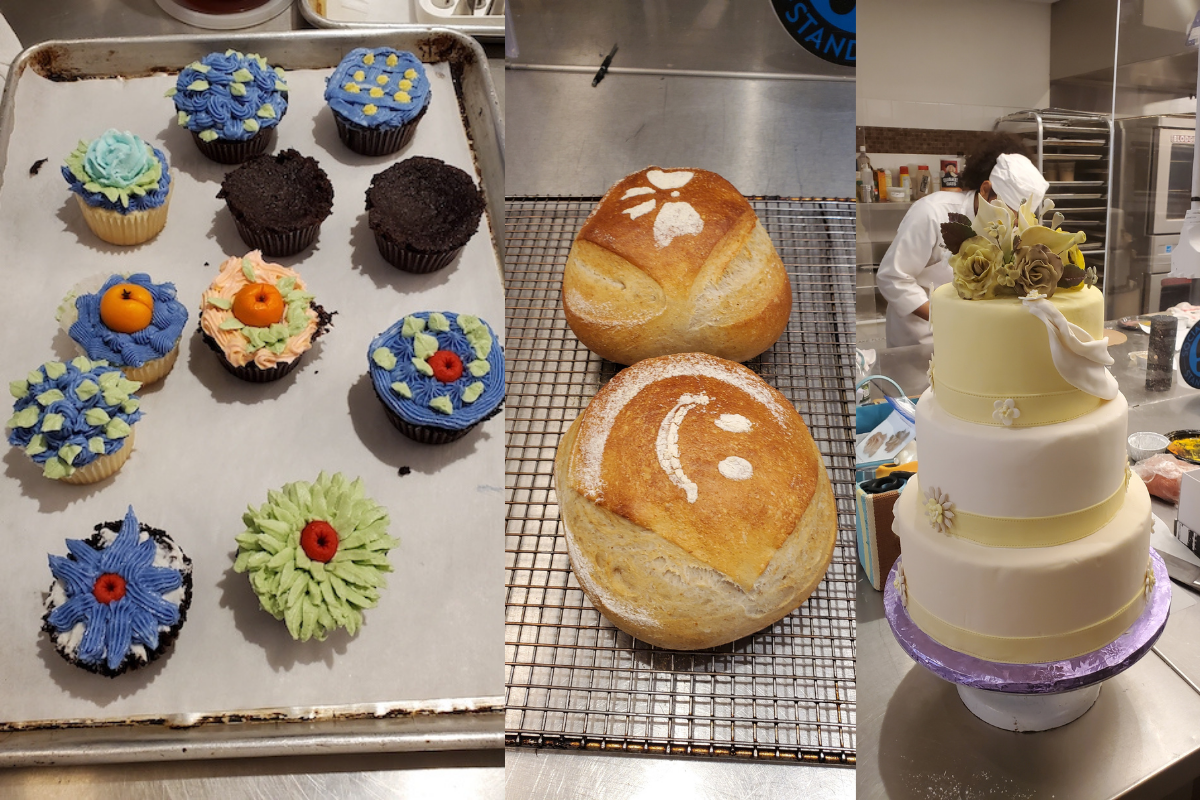
Since Rafael learned to cook in Italian restaurants in his early days, he decided to practice his pastry skills at ICE. His goal is to run his own food truck that serves hamburgers, hot dogs, cheesesteaks, pizzas and desserts like tiramisu and New York-style cheesecake.
The Learning Doesn't End
What has Rafael learned from his classes so far? In a word, "Everything."
“Everything that I learned I’m using now,” says Rafael.
“[In the management class] they teach you how to price things out and how to keep track of your costs and your losses. A food truck has a limited amount of space, so I have to be very careful with what I have and what I purchase. I'm cooking, taking my time and making sure that if I do something wrong, I restart, slow down and do it correctly.”
See how you can qualify for dual diploma credit.
She Decided the Time Was Now
Suzanne Trice, 48, also enrolled in the Culinary Arts program. She, however, didn’t wait until retirement to do it.
After 20 years working as a teacher, assistant principal and director of operations in Atlanta, New Hampshire and the Bronx, Suzanne couldn’t see herself spending another 20 years waiting to do what she loved.
“I just woke up one day, and I thought, ‘What are you waiting for?’ Suzanne says. “I got old enough to realize: Take that something that you really enjoy doing as your creative outlet, and turn it into a new career.”
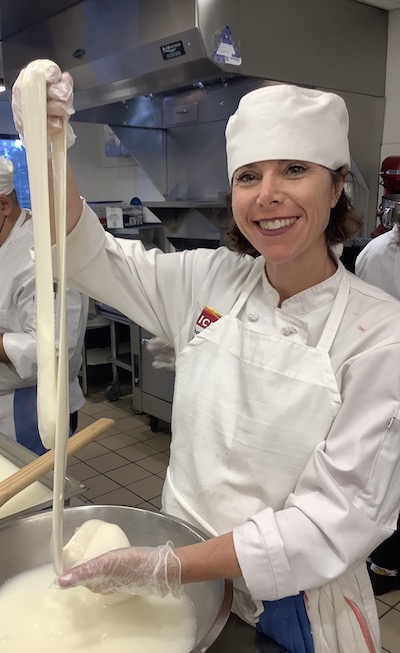
Her background is not unlike many accomplished home cooks.
Suzanne got her first restaurant job at 15 and immediately fell in love. Even while she was an assistant principal she picked up serving gigs, both for the paycheck and the joy she got from the job.
She credits her parents with much of her culinary passion: Her dad worked in the hotel business, and her mom was a fantastic cook who threw excellent dinner parties.
Suzanne’s culinary goals are clear: First, she wants to work in a professional restaurant kitchen (to gain the experience she'll need to become a private chef in New York); second, she'll take those skills and return to New Hampshire to open a provisions store.
To make these two things happen, Suzanne realized she needed formal training in an environment where she could make connections.
“I'm definitely a lifelong learner,” she says. “So even though I know how to cook really well, I'm trying to move away from some of my bad habits and learn the proper technique.”