
5 Ways To Prepare for Attending Culinary School in the New Year

Is culinary school on your list for 2026? Whether you’re a recent high school graduate or a college alum — or maybe you're a career changer who hasn’t been in a classroom for many years — don’t fret. There are simple ways to prepare for the first step toward a culinary career.
Prior experience isn’t required for ICE career-training programs, but immersing yourself in a culinary mindset can help you feel confident and ready when class begins.
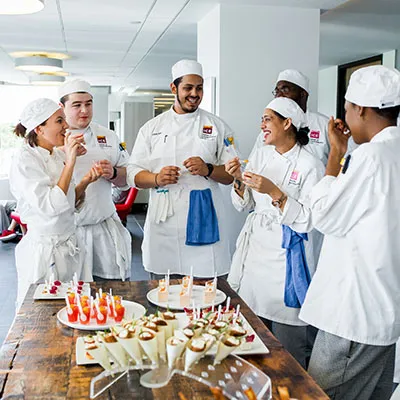
For additional reassurance: ICE students come from a wide range of backgrounds — various ages, areas of expertise and career experience — but what they all have in common is a passion for the restaurant and hospitality industry. If that sounds like you, you’ll fit right in.
Here are five tips to jump-start your resolution to attend culinary school in the new year.
Train Your Palate
Instead of evaluating food on a simple 'Do-I-like-this?' level, start tasting with intention. Think about why a dish tastes the way it does — can you identify salt, acid, fat, heat and umami? Train your palate to consider the presence (or lack) of textures, flavors and balance in a dish.
ICE’s online programs begin with a flavor wheel and lessons about sensory perception. These lessons help students develop the language used to describe flavor, which is a skill that will serve them both in the classroom — enabling them to communicate the intention behind their dishes to their ICE chef-instructors — and throughout their careers.
Another way to train your palate is to explore your pantry. This can be as simple as scrambling eggs. Cook them with with a fat that you've never or rarely used (coconut oil or ghee, for example) or add a new spice to see how the flavor changes.
Learn a New Technique
Solid technique is the foundation for a successful career in any aspect of the culinary industry. Although experience is not required to enroll, it can be helpful to be aware of or even practice some of the basic skills you’ll use in school. Whether that's how to chiffonade basil or pipe a rosette, the practice itself will help to familiarize you with a couple of kitchen tools and techniques before entering the classroom.
Social media can also be a source for inspiration — it's not brain rot if you’re learning something! ICE’s Instagram is filled with videos explaining culinary and pastry techniques, and watching students work in ICE's professional kitchens can help you visualize (and get excited about) what’s to come. Alternatively, check out @wishbonekitchen. ICE alum Meredith Hayden started out sharing her “day in the life as a private chef” videos, and her content has evolved to include engaging recipe reels.
Watch the Pros Work
Whether on screen or in person, watching professionals work can expand your industry knowledge. Here are a few ways to put this into practice:
- Dine at the counter: This restaurant seat often allows patrons to observe chefs at work. Look for the pass (where the head chef is garnishing or checking dishes) and the line — you’ll get a glimpse of the teamwork, communication and flow of restaurant cooking.
- Watch food TV: Discover new ingredients, flavor pairings and cooking techniques used in culinary competitions and cooking shows. We recommend “Top Chef,” where ICE alum Gail Simmons is executive producer and permanent judge, and “24 in 24: Last Chef Standing,” which is co-hosted by ICE graduate Esther Choi.
- Attend culinary events: Chef demonstrations and tasting events are essential to the student experience at ICE, providing supplemental opportunities to network and engage with industry leaders. Thanks to campus locations in two of America’s culinary capitals — New York City and Los Angeles — students have access to esteemed chefs, entrepreneurs and alumni. In fact, ICE alum and prolific content creator, Steven Gao, is hosting an event at our NYC campus on January 30th.
Crack Open a Cookbook
Cookbooks and other food media are great ways to gain insight into the industry while expanding your culinary horizons. Explore global cuisines with cookbooks like “Sababa” by ICE graduate Adeena Sussman or “Family Thai” from ICE alum Arnold Myint (heralded as a top cookbook of 2025 by Serious Eats).
If you’re considering a career in recipe development or cookbook writing, pay attention to how recipes are styled and formatted. Get tips from ICE alumni Cathy Lo (Senior Staff Editor at New York Times Cooking), Katie Barreira (former Test Kitchen Director for all your favorite cooking magazines), and Kristen Miglore (James Beard Award nominee and IACP award-winning cookbook author and Founding Editor at Food52).
Pay Attention to Plating
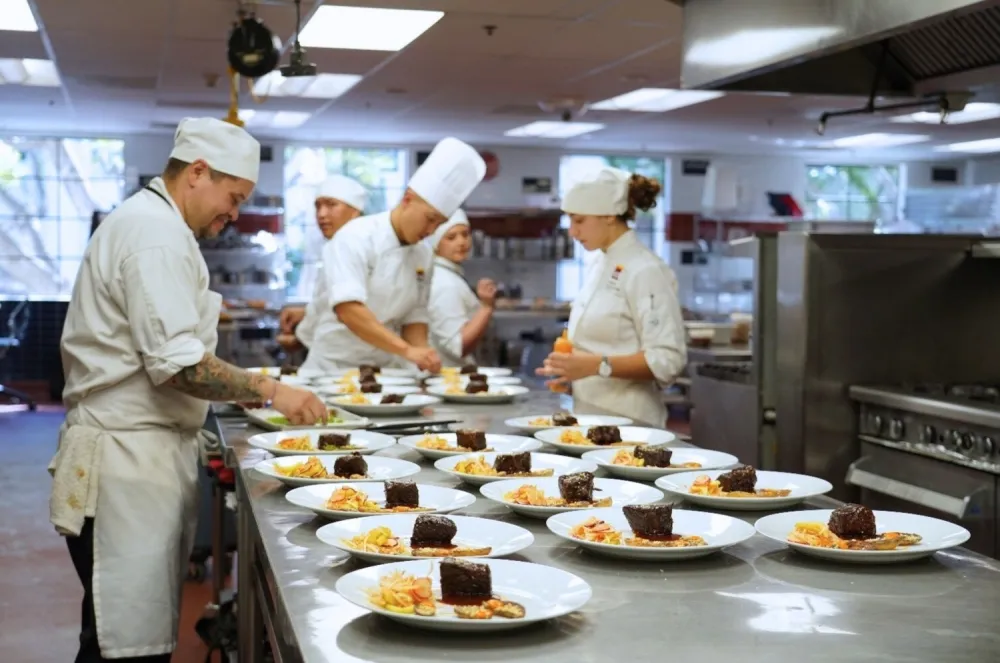
“You eat with your eyes first,” is a common saying, and it’s true. Though the flavors may taste spectacular, a dish won’t impress if the plating is subpar. As you immerse yourself in food media (TV shows, cookbooks and social media), take note of how food is presented. Consider how the visual components of a dish — things like texture, color, portion size and negative space — are balanced.
Even if you’re not practicing at home, figuring out what you like and don’t like can help guide you when you start school. ICE Culinary Arts, Health-Centered Culinary Arts and Pastry & Baking Arts curriculums all have lessons dedicated to plating. Once chef-instructors explain the core elements of plating, students experiment with a variety of components to put those principles into practice.
Ready to take the leap?
There are countless ways to use a culinary degree; the alumni mentioned above have starred on food TV shows, authored cookbooks and built careers in food media — and that’s just a fraction of what’s possible.
ICE has helped open doors for more than 20,000 graduates, and you could be next. If you’re ready to explore what culinary school could look like for you, ICE Admissions can guide you through next steps — request information today.