
Paying for the Best Table? Why Restaurants Are Testing Premium Reservations

If you want a better seat on a plane, you pay for it. The same goes for concerts, hotels and last-minute bookings. Premium access — whether for location, timing or exclusivity — is built into most service industries.
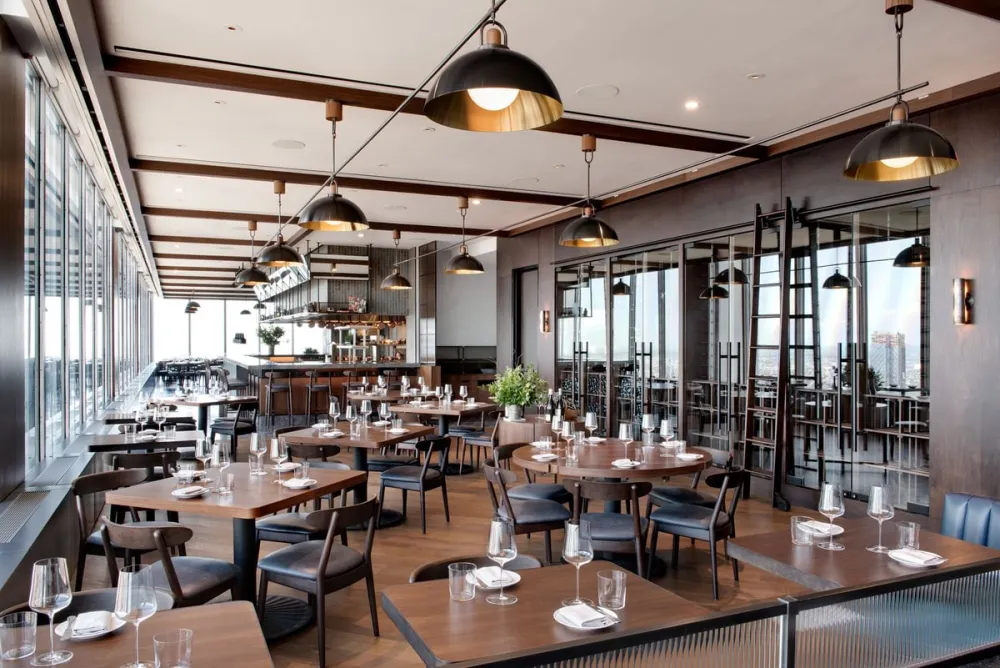
Restaurant owners are now applying this logic to reservations, with venues charging for prime tables, peak time slots and hard-to-get reservations.
The model reflects broader shifts in pricing strategy — but it also raises a fundamental question: Should “enhanced” restaurant features (e.g., a table by the window or away from the door) come with an additional cost?
The Business Case: Margin Pressure Meets Missed Revenue
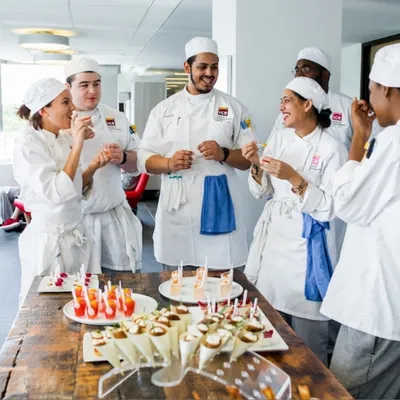
Over a more than 20-year career in hospitality, I’ve opened, operated and consulted on more than 30 food and beverage venues. I also teach service strategy at the Institute of Culinary Education, where students study how pricing, operations and guest experience intersect in real time.
For operators, the appeal of reservation upcharges is practical. Restaurants run on tight margins. Labor costs continue to rise, ingredient pricing fluctuates and occupancy expenses remain high — especially in major markets. At the same time, no-shows and late cancellations create unpredictable revenue gaps.
Charging for premium reservations addresses all of these issues:
- Prepaid commitments reduce no-shows and stabilize revenue.
- Demand-based pricing captures value from high-interest time slots.
- Additional revenue streams help offset rising operational costs.
This approach mirrors pricing models used across hospitality and reflects a broader move toward more strategic, data-informed decision-making.
The Guest Perspective: Access, Status and Convenience
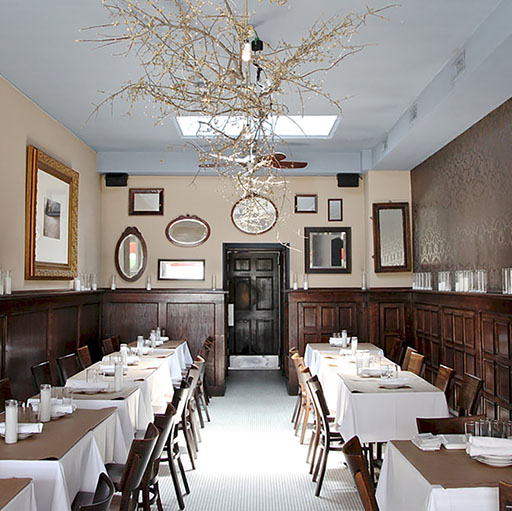
For diners, the value of paying for a table depends on what they gain in return.
- Access: Premium pricing can unlock reservations at in-demand restaurants that are otherwise unavailable.
- Experience: Table location, pacing and environment can influence how a meal feels — not just how it tastes.
- Flexibility: Last-minute availability appeals to guests willing to trade cost for convenience.
- Perception: Securing a hard-to-get reservation can carry social or professional value.
In cities like New York and Los Angeles, where demand often exceeds supply, these factors shape how diners evaluate the tradeoff between cost and experience.
Where It Gets Risky: Hospitality vs. Transaction
The challenge is not the pricing model — it’s the perception.
👩🍳 For restaurants:
- Hospitality can feel conditional when access is tied to payment.
- Price sensitivity is already high, and added fees may deter guests.
- Value must be clear — a better table alone may not justify the cost.
🍽️ For diners:
- The experience can feel unwelcoming.
- Expectations increase, raising the risk of disappointment.
- The model doesn’t translate well to casual or everyday dining.
When the upgrade lacks substance, the charge feels arbitrary — and that’s where pushback begins.
When It Works: Charge for Experience, Not Just Access
Reservation upcharges are most effective when they deliver something tangible.
They make sense when tied to:
- Curated experiences like chef’s tables, tasting menus and omakase
- Special occasions where guests expect elevated service
- High-end environments where exclusivity is part of the brand
- Business dining where convenience and impression matter
- Clearly differentiated value, such as interaction, personalization or unique vantage points
In these scenarios, the guest isn’t paying for a seat, they’re paying for a unique experience.
This distinction is central to our hospitality training, wherein students learn how to design experiences that justify pricing and meet evolving guest expectations.
The Bigger Shift: Restaurants Are Adopting Dynamic Pricing
What’s happening here is part of a larger industry shift. Restaurants are beginning to adopt pricing strategies long used in other service industries — adjusting cost based on demand, timing and perceived value.
For operators, this can improve profitability and operational stability. For guests, it introduces a new way of thinking about dining out.
But restaurants are not airlines. Hospitality is built on generosity, consistency and trust. When pricing strategies conflict with those values, even logical business decisions can feel out of place.
The Bottom Line
Charging for premium tables isn’t inherently a mistake, but it requires precision.
If the added cost delivers a clear, elevated experience, guests may accept it. If it feels like paying for access alone, it risks eroding trust.
The success of this model depends on alignment: pricing, experience and expectation must match.
That balance — between business strategy and genuine hospitality — is what defines strong operators, and it’s a skill developed through both experience and training in real-world culinary environments.
📈From dynamic pricing to five-star service, find out what it takes to run the world's best restaurants. Start your Restaurant & Culinary Management journey today.