
It’s 11 p.m. when my roommate finally gets home. That’s common — she’s in the service industry, and tonight she’s worked a double. I’m chasing a deadline, so I don’t get a chance to immediately ask about her day, but I don’t have to. To blow off steam, Irina cooks.
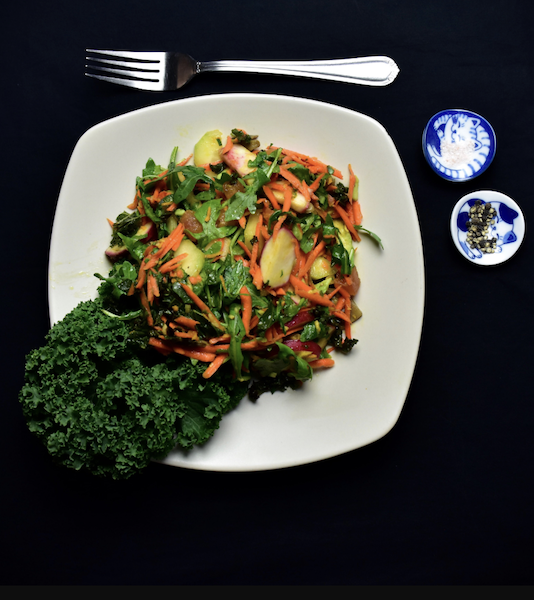
She could order in (working a double would more than justify it). She could make something simple. Instead, she chops into the night, building a multi-ingredient salad. Sometimes I’ll see half of it in the fridge the next morning — she wasn’t even that hungry when she finished.
Start With the Knife
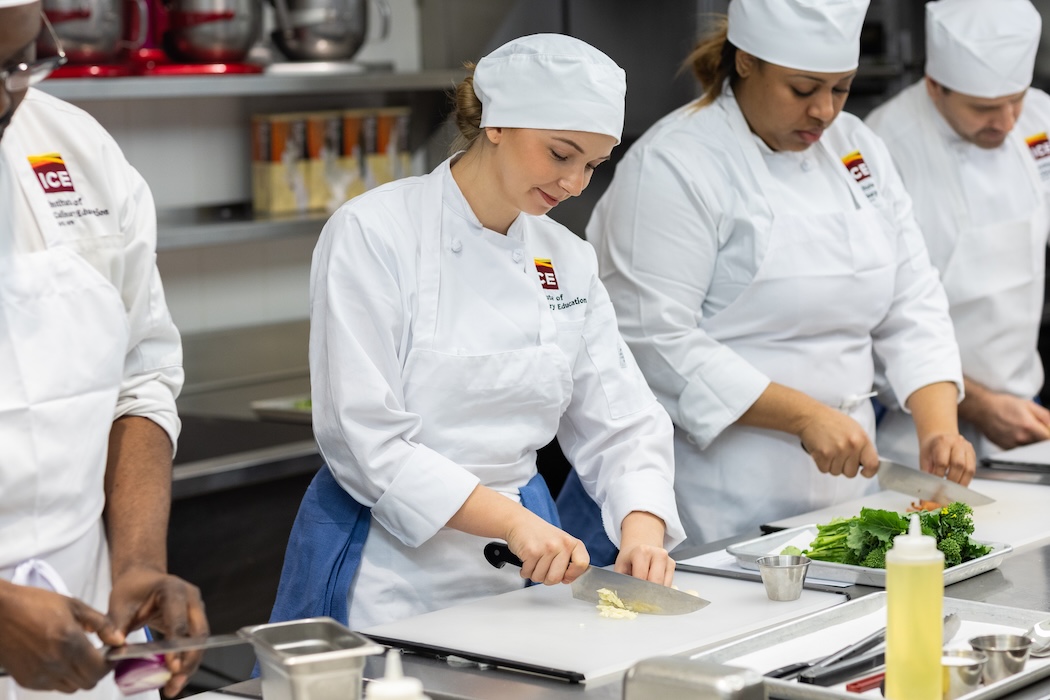
The act of chopping — and the reason I think my roommate often chooses produce-heavy dishes — creates focus and clarity. Repetition becomes meditative.
Leaning into a physical task helps quiet thoughts about unfinished work, deadlines and everything left on the to-do list. Completing each step activates the brain’s reward system — you’re making something tangible — which can boost mood and create a sense of accomplishment.
There are practical benefits to cooking, especially for those living in major cities, and there’s comfort in knowing exactly what’s on your plate. But for people whose work or routines don’t always offer immediate results, cooking can provide a sense of progress and completion.
Repetition is the Reset
This type of incremental goal-setting aligns with Behavioral Activation, a therapeutic approach that encourages engaging in simple, productive activities — like cooking — to help counter stress and low motivation. Or baking.
When I toured writer Porter Fox’s coworking space in 2016, he showed me a full kitchen and mentioned that baking sourdough helped him work through creative blocks.
Baking Slows Things Down
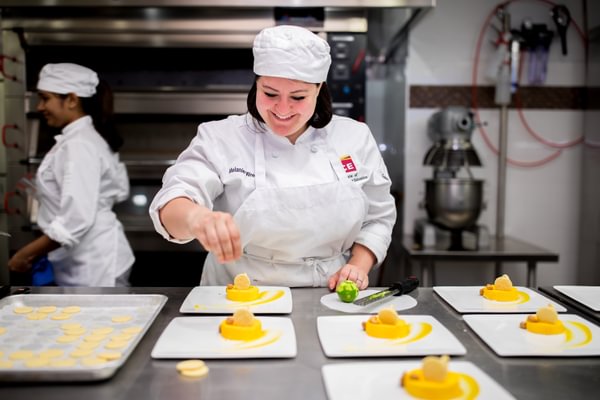
It makes sense. Baking transforms simple ingredients into something entirely new. Flour, water and heat become structure and texture. Kneading dough can feel grounding — a physical, creative process that encourages focus. For many, the smell of something baking also brings a sense of familiarity and comfort.
The connection between cooking, baking and well-being has grown beyond home kitchens. Initiatives like Depressed Cake Shop, founded by Emma Thomas in 2013, use baking as a way to spark conversation around mental health. The concept expanded internationally, encouraging bakers of all levels to participate in pop-ups and community events.
As one organizer shared with the BBC, many people turn to baking during difficult moments because it offers structure and focus.
What the Research Shows
Research supports this connection. A 2016 study published in the Journal of Positive Psychology found that small, creative activities — including cooking and baking — can improve mood and provide a sense of anticipation for the day ahead. The study reflects growing interest in culinary therapy, which is sometimes incorporated into broader wellness and behavioral support programs.
The Rise of Culinary Therapy
Tapping into the process of cooking isn’t always intuitive, especially for beginners. But learning in a structured, hands-on environment can make a difference. Programs like the Institute of Culinary Education’s Culinary Arts program and Pastry & Baking Arts program introduce foundational techniques step by step, helping students build confidence through repetition, practice and guidance from experienced instructors.
When I get out of bed for a glass of water at 1 a.m., I peek into Irina’s bowl on my way to the fridge. It’s filled with color. She’s beside it, grating turmeric onto a cutting board. Her fingers are stained yellow — a small price to pay for the root’s bright flavor.
I ask what’s in it. She shrugs. She’s not following a recipe — just experimenting. Cooking this way allows her to focus on the process, not just the result.
👨🍳 Explore ICE’s Culinary Arts and Pastry & Baking Arts programs or request more info to get started.
More by Darina Sikmashvili