

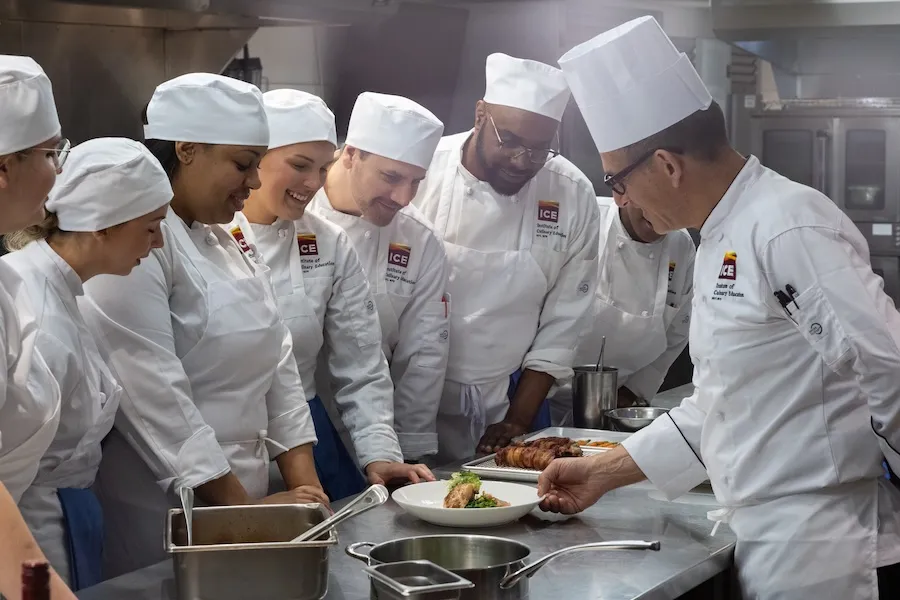
Food is an integral part of popular culture. In recent years, chefs have emerged from restaurant kitchens to become stars of their own — literal — shows. As more and more sauté pans flash and sizzle on film and TV screens, it's important to acknowledge the behind-the-scenes effort required to make it all happen. Successful culinary careers, after all, do not happen overnight.
In my experience as a chef, the public’s increased interest in food has created professional opportunities that I never imagined when I started cooking in 1996 — from appearances on competitions like "Chopped!" to teaching America cooking tips on the "Today Show."
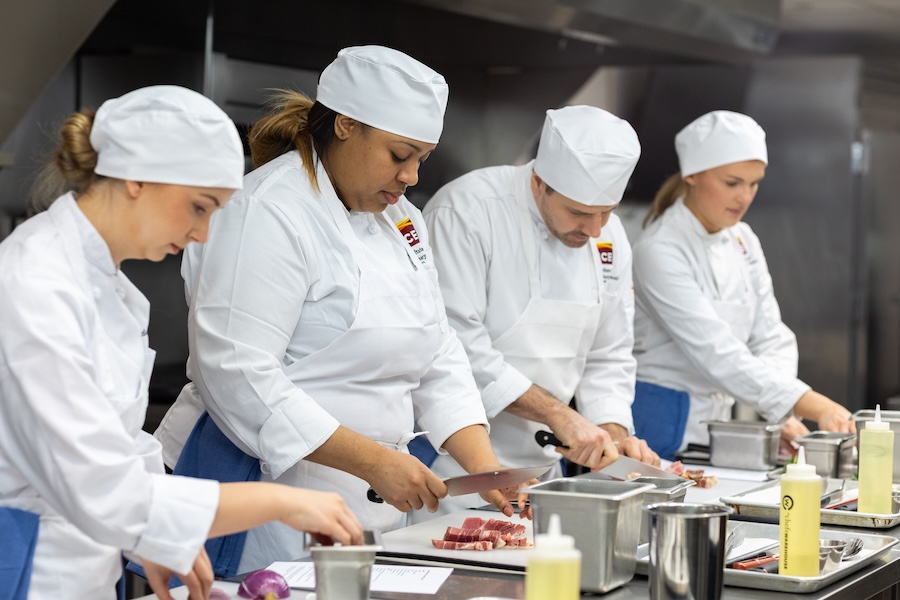
However, for those just starting out in the industry, these shows can create a false illusion. Often, they fail to reveal the day-to-day grind of the kitchen, as well as the career progression that takes years (versus 12 episodes).
As a chef and a culinary educator with one foot firmly in both the pre- and post-television food scene, these are the traits I think one must have in order to succeed in real-world kitchens.
#1 You're driven, but patient.
Kitchen work is demanding, and it’s not as glamorous as it looks on TV.
Working in a restaurant is the original standing desk. Generally speaking, cooks spend 10 to 12 hours on their feet every day. In the early stages of a culinary career, this time can often be spent working a single task for several hours.
That said, cooking is fun, and in restaurant kitchens, in particular, it creates a unique community.
I recall working in a seafood restaurant as a teenager on the Florida Gulf Coast. Every day, I stood at a deep stainless steel sink in the back of a hot kitchen, peeling 100 pounds of shrimp at time. When I was finished, my hands were cramped, wrinkled and in pain from getting stabbed by the shrimps’ sharp spines.
On the surface, it may not seem like there is much to learn from peeling that much shrimp. But as I worked, I watched the line cooks — after a while you learn to peel shrimp without even looking at them. I kept my ears open and learned the language of the kitchen. Without realizing it, those hours at the shrimp sink were the ultimate preparation for line cooking.
Soon enough, I was glancing over the back of the stove to see another guy peeling the shrimp. Though he may have thought he was going nowhere, I knew he would be standing next to me before long.
#2 You know how to hustle.
Most chefs will tell you that one of the secrets to their success is learning how to work faster and with more precision than everyone else — and then asking what else they can do to help can do. In practice, this could mean chopping another cook’s mise en place because you came into the kitchen with a plan (while they came in with a hangover). Responsibility, clarity, speed and precision are traits that can help you get noticed by your head chef — and help you to earn their respect.
When I became sous chef under Frank Stitt at Highlands Bar & Grill in Birmingham, Alabama, it wasn’t because I was the best cook in the kitchen. In fact, I was the youngest and had been working there for less time than anyone on staff.

But, I worked harder. For example, I put in extra hours assisting the pastry chef because I wanted to learn to bake. I asked Chef Stitt for a reading list and devoured the books in my spare time. I couldn’t wait to get into the kitchen to talk about what I had read the night before.
Learning tohustle is a critical skill for aspiring chefs. There’s a theory that states, “the time required to complete a given task will expand or contract to fill the time allotted for that task." Generally, I find this holds true.
To stand out in a kitchen full of eager young cooks, there’s no such thing as “enough.” Instead, do more than anyone else around you.
#3 You say “Yes, chef”... and you mean it.
In the early years of your career, your job is to work and to learn. You should never be afraid to ask a question in the kitchen, but don’t — especially as a young cook — question your chef’s authority. Two simple words — "yes, chef!" — convey a lot: respect, understanding and willingness.
First and foremost, the phrase is a sign of respect. Second, it acknowledges that you have heard the direction that was given. Yes, there may be a little voice in your head saying, “Seriously? What could anyone need 30 pounds of freaking onions for?”
But your mouth should always say “Yes, chef.”
(And if you truly believe there’s no way 30 pounds are actually needed, bring your chef 15 pounds of onions as fast as you can and say, “Here are 15 pounds, I’ve got the rest coming right now.” If you’re lucky, your chef will say, “This is plenty, don’t worry about the rest.”)
#4 You've mastered classic cooking techniques.
All great chefs are history buffs. I’m as happy digging through old copies of Bocuse and Olney as my dad is lying on the couch in front of World War II documentaries. It may sound crazy, but classic books are often where new ideas are born.
It could be a specific combination of ingredients, the way something is plated or a technique you imagine applying to an unexpected set of ingredients. Inspiration can only come from experience, so empower yourself to be more creative by improving your understanding of dishes that have stood the test of time.
Could Alain Senderens’ Canard Apicius ever come to be without Apicius (the oldest known cookbook from ancient Rome)? Would we ever have made it to Michel Bras’ Le Gargouillou if Michel Guérard’s Salade Gourmande had not come first?
If you didn't immediately recognize these dishes, researching them is a great place to start.
#5 You respect everything and everyone in the kitchen.
A good kitchen is a living, breathing machine that consists of people, equipment and product. To be successful, you have to learn to respect all three.
When I worked for Daniel Boulud, no one (not even Daniel) started working before saying hello, bonjour or como estás to every person in the kitchen. It may seem like an unnecessary gesture, but it cued respect and reminded us that we were all there together.
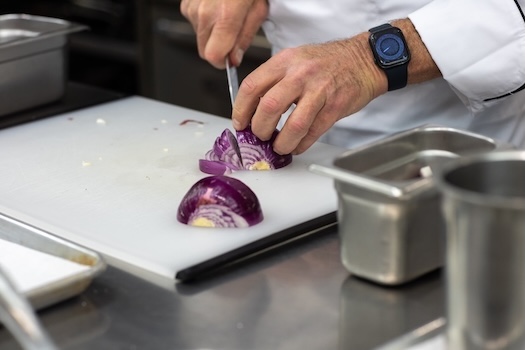
A good example of this: Dishwashers often know more about how kitchens run than anyone else.
Sure, you know how to braise, but they know exactly how many chicken bones fit in the stockpot and precisely how big a pan of mirepoix you need to cut. Everyone in the kitchen has knowledge and skill — don’t forget that.
#6 Learning is your love language.
Becoming a chef takes time, patience and dedication. You will likely spend weeks, if not longer, learning to make soup or how to properly dress a salad.
Most cooks work in a kitchen for at least two years before they get to plate the coveted “cover dishes” — the beautiful plates that grace magazine covers or Instagram accounts. Be patient, pay attention and remember that you have opportunities all around you. The best chefs are the ones that figure out how to make the most of every task or experience.
Want to learn more about day-to-day life in a professional kitchen? Click here.