

Social media has transformed the culinary arts by providing chefs and food industry professionals new methods for sharing their craft.
Those of us scrolling Instagram, TikTok, and YouTube have incredible access to a feast of food stories, from recipes and cooking techniques, to restaurant reviews and "day in the life of a culinary student" videos.
This vast universe of cooking content — whether behind-the-scenes or educational — has demystified the culinary experience. So often, food is something we consume without considering its source and preparation. Social media enables culinary professionals to connect with audiences in ways that were once unimaginable.
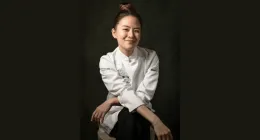
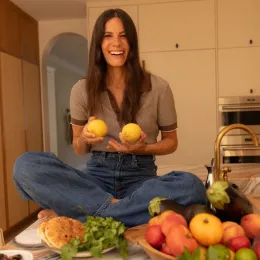
At the Institute of Culinary Education, many students and alumni have become social media influencers by using their platforms to showcase life at the school. Chefs and ICE Culinary Arts graduates Maddy DeVita, Steven Gao, Dr. Nate Wood, and Alessandra Ciuffo each came to ICE with their own intentions — and all left with burgeoning social media careers that propelled their professional paths.
Steven has worked as Chef de Partie at Per Se in NYC; Alessandra runs a growing media brand; Dr. Wood is the Inaugural Director of Culinary Medicine at Yale University; and Maddy documents her experiences as a private chef in New York. Their video styles are different, but highlights the range of career paths in the culinary world.
Related: How to Establish Your Online Presence as a Chef
Beyond demonstrating what it's like to work in the industry, these day-in-the-life videos provide insights to what ICE affords aspiring chefs, showing meal prep, cooking techniques, and more.
“When I went to ICE, I thought it would be interesting to document the whole journey,” Steven says. “Recording helped me retain what I learned because I’d go home, research it, script it, and then share it with my audience.”
He found that creating content on his @stevenmotocooks accounts added another layer of reinforcement to his education. Each upload allowed him to dive deeper into the day’s lessons, especially later in the program when he integrated additional infographics and data into his videos.
While Steven’s followers tuned in to see his progress, many viewers found inspiration in Alessandra’s journey. Running the social media handle Flavors By Ale, she frequently received messages from aspiring chefs.
“I had people messaging me saying, ‘I always wanted to go to culinary school, but I didn’t know what it was like. Now I’m starting because of you,’” Alessandra says.
One of her most meaningful connections came when a follower on the autism spectrum reached out. The follower, Bridget, said she was deeply inspired by Alessandra's videos.
“Her story was moving for me,” Alessandra says. “It showed me the real-world impact of what I was doing.”
This interaction motivated her to continue posting daily and growing her reach.
Chef Maddy's journey started in a different way, with a personal food blog showing off a trip to Ebbio Farm in Tuscany, the meals she ate, and her life in New York City. It was her relatable posts as a culinary student, however, that really resonated with viewers.
“My account went from 2,000 to over 100,000 followers because people were interested in seeing the day-to-day life of a culinary student,” Maddy says. (She now has more than 600,000 followes.)
“My videos give people a taste of what culinary school is like or what it’s like to cook professionally. From there, they can decide if they want to pursue it further.”
While many people follow these food-fluencers for their behind-the-scenes content, others come for the educational aspect. Alessandra, for instance, provides step-by-step tutorials. One of her most viral videos featured her processing chicken and seafood for meal prep. These visceral, hands-on moments help viewers connect with the reality of cooking — reminding them of the origins of their food, whether plant or animal.
“People don’t often get to see how we actually do these things,” Alessandra says. “Showing that side of culinary school was eye-opening for a lot of people. I realized people wanted to learn along with me, and that pushed me to create more educational content.”
This commitment to making the culinary process educational and accessible has allowed her to reach over two million followers across social platforms.
For Steven, connecting with a broader audience means making content approachable, especially for home cooks. His goal is to bridge the gap between professional techniques and what someone can replicate in their own kitchen.
“I’m not just showing off what I learned. I’m teaching my audience while reinforcing what I’m learning,” Steven says. “My videos help bridge the gap between what’s happening in a professional kitchen and what someone can do at home.”
While educational content inspires home cooks, behind-the-scenes restaurant videos allow formal eateries to connect more deeply with patrons. Increasingly, restaurants are showcasing signature dish prep, staff stories, and more on social media.
“I think kitchens are becoming more open to content creators. I’ve seen more restaurants becoming transparent through social media,” Steven says. “I predict we’ll see more restaurants hopping on this trend as more social media-savvy chefs enter the industry.”
Chef Maddy is already living that reality. As a private chef, she remains mindful of her clients’ privacy but seizes opportunities to film interesting menus or special events, taking her audience along for the ride.
“Private cheffing has definitely pushed me out of my comfort zone, and I get to take my audience with me,” Chef Maddy says. “They’re learning as I am — whether it’s cooking at scale or in a new kitchen. Social media has become this place where I can show how I’m evolving in real time.”
For some, social media serves as entertainment. For others, it’s a platform for delivering impactful messages. For Dr. Nate Wood, an Instructor of Medicine and the inaugural Director of Culinary Medicine at Yale School of Medicine, social media is a means to combat food misinformation.
“People are excited to go on social media and see charismatic people say things they had always wished were true. Everyone wants to hear an MD say, ‘Red meat is good for you. You don’t have to eat vegetables,’” Dr. Wood says. “People who study nutrition and health for a living should be out in the media as much as possible to outcompete these people, and that means getting on social media.”
Through the Irving and Alice Brown Teaching Kitchen at Yale New Haven Health, Dr. Wood uses social media to showcase his focus on food and medicine. His Instagram account, @drchefnate, reaches over 11,000 followers, offering recipes, behind-the-scenes videos of media appearances, and educational content.
Like blending ingredients for dough, there’s a fine balance when blending social media with the culinary arts. On one hand, food videos can inspire people to cook at home or pursue culinary education. But on the other hand, social media can foster echo chambers where misinformation about food spreads freely.
That’s why it’s important to vet your sources and be mindful of how you engage. If you find yourself scrolling too deep, stop, find a fun recipe, prop up your phone, and try cooking something new.