
Chef Mary Attea Fast-Tracked Her Culinary School Training — Then Fast-Tracked Her Success

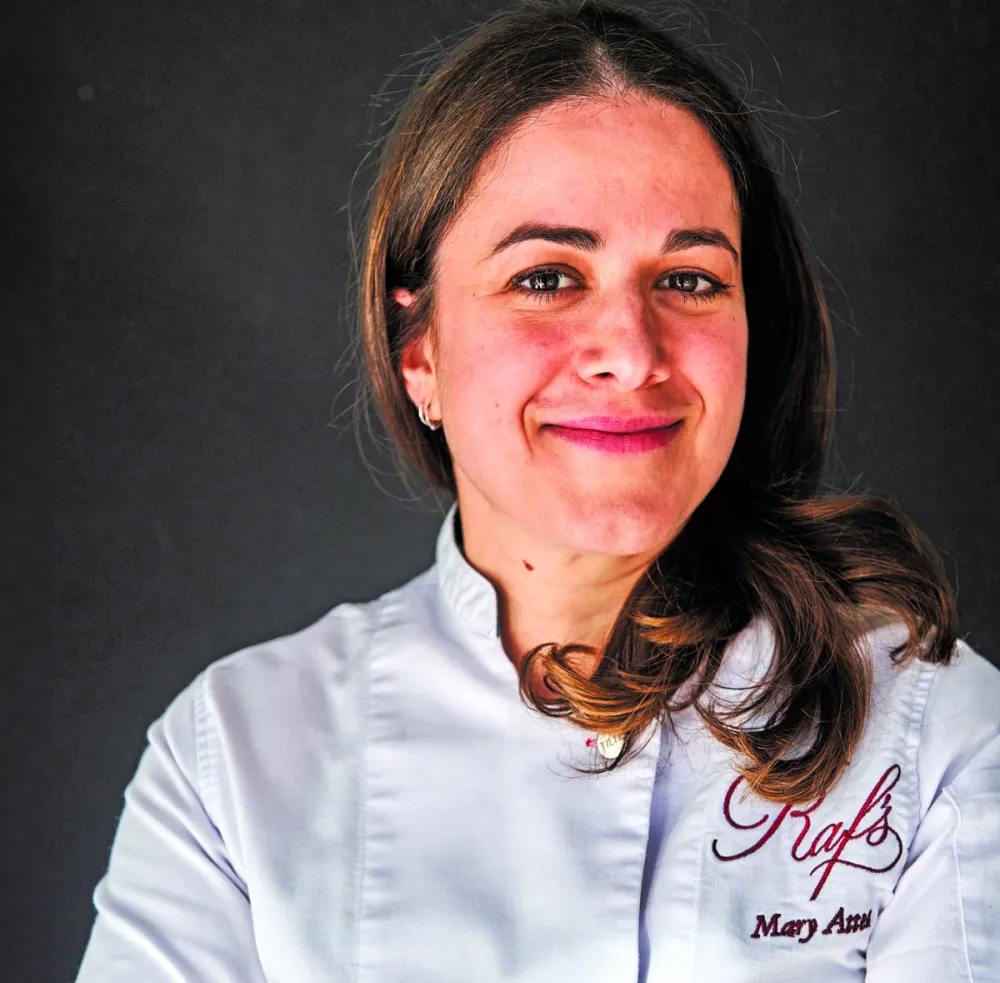
To celebrate 50 years of ICE, we're honoring 50 distinguished ICE alumni. Meet Chef Mary Attea, an ICE Culinary Arts program graduate, recent James Beard Award nominee, and the recipient of numerous accolades — from The New York Times’ “100 Best Restaurants” to Food & Wine’s “Best New Chefs.”
It’s every culinary instructor’s dream to see their students enter the professional world and become role models, mentors and industry leaders. In this way, chef Mary Attea is the perfect student.
She is also so much more.
In 2024, she was a James Beard Award Semi-finalist for "Best Chef - New York State." That same year, she was named to Food & Wine’s list of "Best New Chefs;" she was a C-CAP gala honoree; and The Musket Room, the NYC restaurant where she is Executive Chef, earned its first Michelin Star. Prior to 2024, she’d been lauded by prestige food pubs like The New York Times and Eater. Success, it could be said of Attea’s career, was not overnight — but it was consistent.
Attea's graduation from The Institute of Culinary Education occurred in 2011. She spent her formative years in the kitchen at Anita Lo’s pioneering West Village restaurant, Annisa. In 2020, Attea joined The Musket Room in Noho and steered the restaurant through the pandemic. She revamped the menu into a fresh, globally inspired tasting experience that drew the praise of New York’s top critics, like Pete Wells at The New York Times.
The Musket Room’s success eventually led to two more restaurants, Raf’s and Café Zaffri, both of which have set the bar for stylish neighborhood fine dining in New York City — not to mention earning Attea numerous accolades from The Michelin Guides, The James Beard Foundation, and Food & Wine Magazine.
But Attea isn’t just creating a culinary empire, she’s paying forward the lessons she learned early in her career. Specifically, that excellence in the kitchen doesn’t have to come at the cost of care and kindness.
We caught up with Attea to check in on her new restaurant and see how she is mentoring the next generation of New York’s top chefs.
* The following interview has been condensed and edited for clarity.
ICE: What do you consider to be your biggest professional achievements?
Chef Mary: Creating a network of incredible people and building teams that are working cohesively and collaboratively to create a better environment. The recognition and accolades I’ve received over the years feel like big achievements, but they have been most rewarding in that they have attracted incredible people and talent to my world.
ICE: To what factors do you attribute your success so far?
Chef Mary: Patience and persistence. Success doesn’t just happen overnight; it takes years of building foundations and making mistakes. Being patient with my own growth, the growth of those around me, and persevering through the downs as well as the ups has been integral to my success.
ICE: When did food become something that you wanted to pursue professionally?
Chef Mary: I started waiting tables at a restaurant while I was in graduate school when I first moved to New York. That first hospitality job really lit a fire in me, where I found myself wanting to study food and wine more than my actual schoolwork. I was eventually skipping class just to work shifts because I loved being around the energy of the restaurant. I was drawn towards the kitchen and started to get a thirst for learning all I could about food. I had a plan to go to culinary school, and after about five years of waiting tables and learning the tenets of hospitality, I finally made the decision to attend ICE.
ICE: What does a typical day look like for you now?
Chef Mary: Right now, my days are filled with a lot of meetings and planning. Opening Cafe Zaffri has required so much time and attention as we continue to tweak and get it up and running fully and smoothly. I try to manage my time so that I can tend to all three restaurants, meeting with my teams, planning menus, tasting food and checking in on services. I’m very fortunate to have some great leaders working for me who are stepping into the daily operations roles.
ICE: How do you balance the demands of running multiple restaurants with maintaining your creative spark — and avoid burning out in this industry?
Chef Mary: This has been a really tough one to manage and I am still learning how to find the balance. Being a chef is incredibly demanding at one restaurant, let alone three! In developing the menus and concepts, it takes a lot of creative energy, and it can be difficult to jump between all the different ideas. I would say I faced a lot of burnout this past year with the new project, but I am starting to really prioritize a work-life balance in order to preserve my creative energy.
Also, letting go of a bit of control and encouraging my team to bring ideas to the table as well has been incredibly helpful and inspiring. I think early on in my career I was very protective of my creative process, but now I’ve realized that I need to open it up and let others continue to inspire me as well.
ICE: As an advocate for healthy work environments, what do you think people should look for in a workplace? What are some red flags to watch out for?
Chef Mary: I think early interviews and trails are very important in determining if a restaurant is a healthy environment and right fit. Observing the staff and energy of a kitchen can be incredibly insightful. Look for people speaking respectfully, for cooks who seem to enjoy what they are doing. Look for chefs who interview and ask what you are looking for and how you want to grow. It’s extremely important that a restaurant is invested in your growth as a young cook and chef, looking how the time at their restaurant will positively impact you.
Avoid kitchens where there is extreme tension or yelling. If cooks are rude or disrespectful, it’s usually a sign that it comes from the top.
ICE: What made ICE a good fit for you?
Chef Mary: For me, it was the flexibility. I was working full time and didn’t have the means to spend two years away to study culinary arts. I was able to enroll and participate in a fast-track program that was financially accessible, while still working and having a means of living. It was an excellent program for teaching the fundamentals so that I could feel confident stepping into a kitchen.
ICE: When you think of ICE, what is the first word that pops into your mind?
Chef Mary: Opportunity.
ICE: Can you say more about that?
Chef Mary: Learning the foundations and fundamentals of cooking was integral to my [career] start. Since I had worked in restaurants as a server, I understood a lot of the inner workings of service and selling food. But other than watching and observing, I didn’t have much experience with the technical parts of cooking. ICE taught me all the basics so that I felt confident transitioning into a kitchen. I feel I did have a leg up when I entered the kitchen because I had understood how restaurants functioned.
ICE: How do you use mentorship, which is a value that most chefs and people in the industry really care about, especially at a culinary school. Did you have mentors? Are you one?
Chef Mary: I think mentorship is an essential part of this industry. Because of how demanding it is and how many different roads you can take, it’s necessary to have someone guiding you along, teaching you the ins and outs, nurturing your growth.
I was fortunate to work with Anita Lo at Annisa restaurant after culinary school where I completed my externship and then continued rising in ranks for the following five years. She imparted the need for care, detail, and intention when it came to cooking and creating. The way she led her kitchen was strong and confident, yet compassionate and safe. While I was incredibly afraid to make mistakes, it wasn’t because I feared her reaction, it was because I didn’t want to disappoint someone who led with patience and kindness.
I try to emulate that same philosophy in my kitchens. I have several young cooks and rising chefs that are finding their voices and I consider it my responsibility to help guide them in their journey. I don’t know everything, but I do know I will remain by their sides and my aim will always be to see their growth, even beyond their time with me.
ICE: Is there any single lesson that you learned at ICE that you still use in your work today?
Chef Mary: Clean as you go. It’s so important to stay clean and organized in every step of work. If you let a mess pile up or get disorganized in your process, it becomes less efficient. I don’t always follow this, but I try my best to keep things as tight and organized as possible.
QUICKFIRE QUESTIONS
Favorite kitchen tool? Microplane.
Salty or sweet? Salty.
Favorite food holiday? Thanksgiving.
Favorite food city? Tokyo.
In order of preference, cook, bake, eat? Cook, eat, bake.
Favorite cuisine? Japanese.
Your go-to “easy” recipe? Spiced chickpeas with anchovy on toast.
Your go-to “wow” recipe? Braised lamb shank with beets, labne and dukkah.
Most frequently used non pantry essential ingredient? Furikake.
Favorite food season? Summer.
* Experience varies by student, with outcomes contingent on factors including graduate aptitude, job market, place of residence and work history, among others.
* Photo credit: Gentl and Hyers