


Picking a culinary school is a big decision, and not all programs offer the same experience, training or esteem.
That’s why asking the right questions before you commit is essential. The answers will tell you a lot about how well a program can prepare you for the realities of the industry.
1. Is the school located in a culinary hub?
Location can shape opportunity.
Studying in a major food city like New York or Los Angeles offers exposure to diverse cuisines, industry leaders and real-world job opportunities while you’re still in school. Watch the below video to hear what Institute alum and Producer-Host of Bravo's "Top Chef" had to say about studying in one of food's capital cities.
2. What is the school’s reputation?
Look beyond marketing.
Research awards, rankings, industry recognition and what the school’s alumni say about their experience. Also, pay attention to how the school is viewed by working chefs and employers.
3. How long does it take to graduate?
The goal is getting you closer to your career goals — quickly.
Consider the time it takes to graduate and the program schedules that are available to students. Will completing your certificate, diploma or degree take months or years? Are there morning, afternoon, evening and weekend classes available? Will your school schedule allow you to also have a job? Accelerated programs and flexible schedules are designed to get you to graduation — and closer to your culinary career goals — quickly.
4. What does the curriculum actually teach?
A solid curriculum goes beyond recipes.
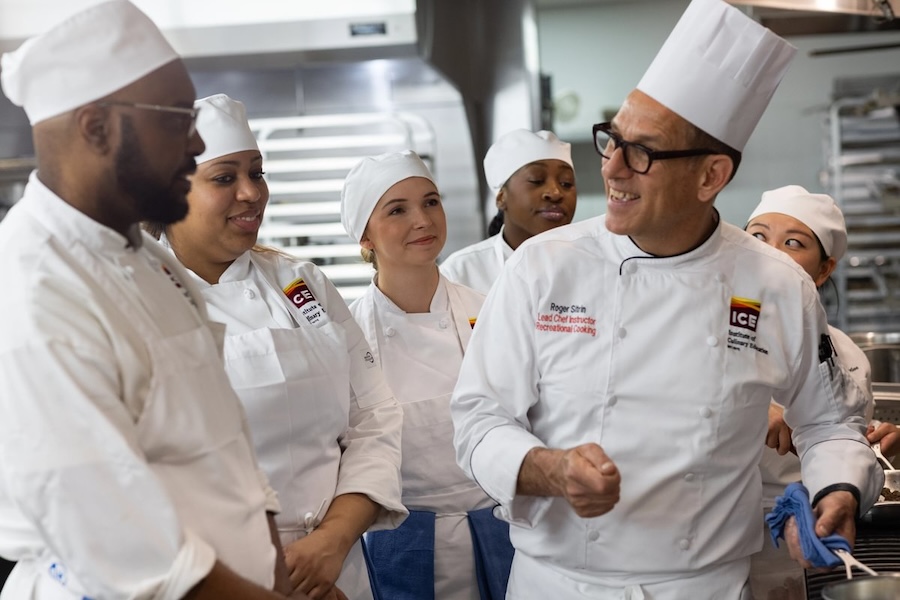
Look for programs that cover foundational techniques, modern methods and evolving industry trends, along with the ability to adapt those skills across cuisines. Consider, too, the quality of chef-instructors and the real-world skills they teach via exceptionally-guided hands-on instruction (versus mere demonstrations) — because strong skills are build on repetition.
5. Are there opportunities to build additional skills?
Workshops, electives and supplemental classes can make a difference.
Classes in Advanced Contemporary Cuisine & Technique and Advanced Pastry & Baking Technique — along with menu development and restaurant management — can expand your skill set and help you stand out.
6. Who are the alumni — and what are they doing now?
Alumni career paths cue training efficacy.
Well-known graduates are impressive, but equally important is seeing where non-famous alumni land. Good job placements suggest a good career launchpad.
7. What career paths does the program support?
Not every culinary career is in the kitchen.
Strong programs prepare students for a range of roles, including hospitality management, media, food styling, R&D and entrepreneurship — and they offer career services to support those paths.
8. What kind of career support is available?
Connections matter.
Look for access to career advisors, externships and an active professional network that continues beyond graduation.
9. What is the student experience like?
Ask about class size, schedule and learning environment.
The day-to-day experience — how you train, who teaches the courses and how much individual attention you get — can all impact your experience.
10. Can you stack skills and credentials?
Flexibility is key.
Some programs offer pathways to additional credentials, certifications or degree partnerships, which can support long-term career growth.
The Bottom Line
A culinary school should do more than teach you how to cook. It should prepare you to build a career. The right program combines hands-on training, industry access and long-term support, offering you the skills and confidence to compete in a fast-paced field.
*This blog post was originally published by the International Culinary Center (ICC), founded as The French Culinary Institute (FCI). In 2020, the Institute of Culinary Education and ICC merged. Explore your culinary education where the legacy lives on.